
Industrial Style Interior Design 2026: A Complete Guide to Creating a Modern, Raw & Stylish Home

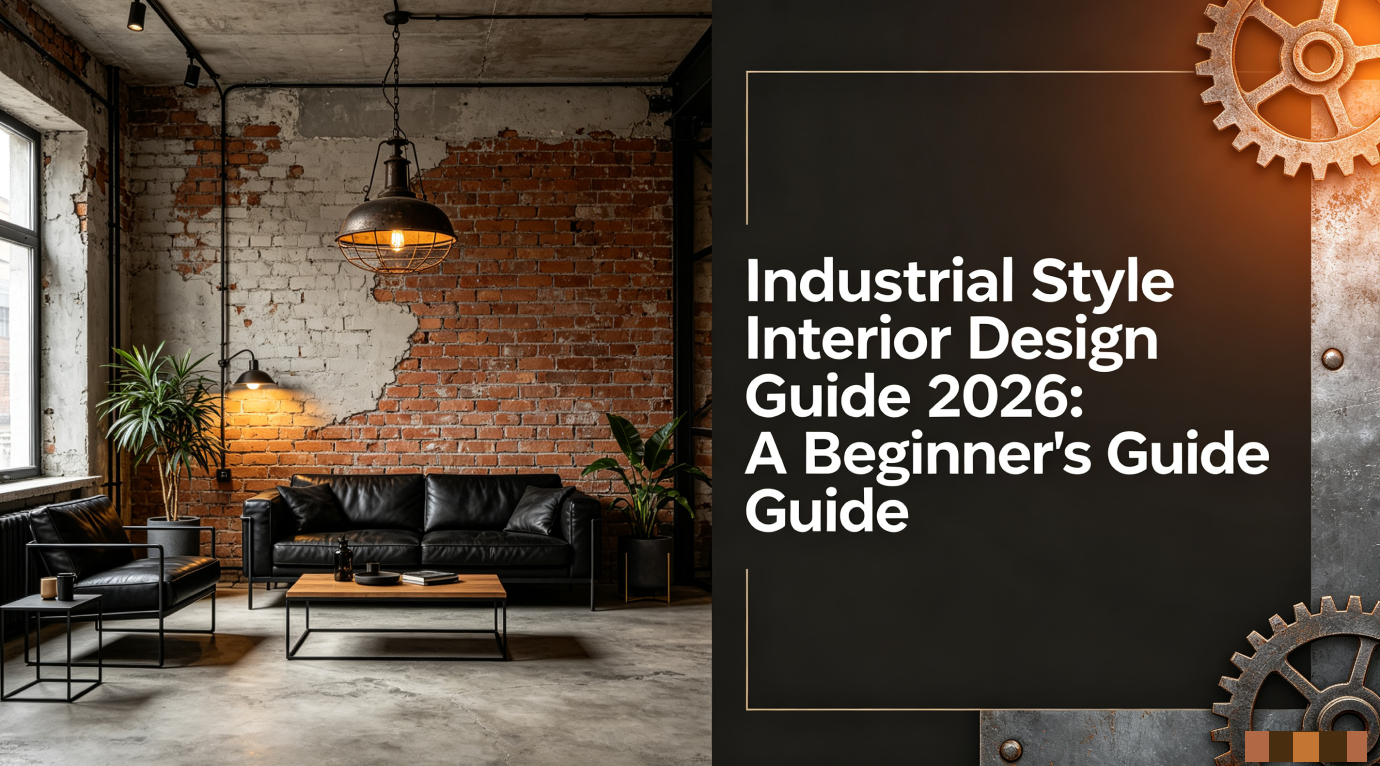
Industrial-style interior design is known for its raw, urban character and effortlessly cool aesthetic. With exposed materials, neutral tones, and a mix of vintage and modern elements, it can make a space feel both stylish and full of personality. It’s no surprise that this look has become increasingly popular with homeowners and designers.
Thinking about bringing industrial style into your home or project, but not sure where to start? Don’t worry—you don’t need to be an interior design expert to get the look right.
This beginner-friendly guide walks you through everything you need to know about industrial style interior design in 2026, from its key features, color palettes, and materials to furniture ideas, inspiring examples, common mistakes to avoid, and budget-friendly tips for transforming your space.
And if you want to see how these industrial design ideas might look in your own home or project, try our free AI interior design tool to visualize all possible details in just seconds and all with several clicks.
Design any room, shop or space with DecAI in less 30 seconds! It's free!
What is Industrial Style in Interior Design?
Industrial style is an interior design style inspired by old factories, warehouses, and urban lofts. It embraces raw, unfinished elements—such as exposed brick, concrete, metal, wood, and visible structural details—to create a space that feels bold, functional, and effortlessly stylish.
The style emerged in earnest in New York City and other major urban centers in the late 20th century, when artists and designers began converting abandoned industrial buildings into live-work loft spaces. Rather than disguising the buildings' industrial heritage with conventional residential finishes, these early loft dwellers chose to celebrate it — leaving brick walls exposed, keeping concrete floors unsealed, hanging pendant lights from original steel ceiling systems, and furnishing the vast raw spaces with substantial, functional furniture.
But industrial style doesn’t have to feel cold or overly rugged. Today’s interiors often soften the look with warm wood, comfortable furniture, textiles, greenery, and warm lighting. The result is a more welcoming take on the classic industrial aesthetic that works just as well in modern homes as it does in lofts and converted spaces.
Key Features of Industrial Style in Interior Design
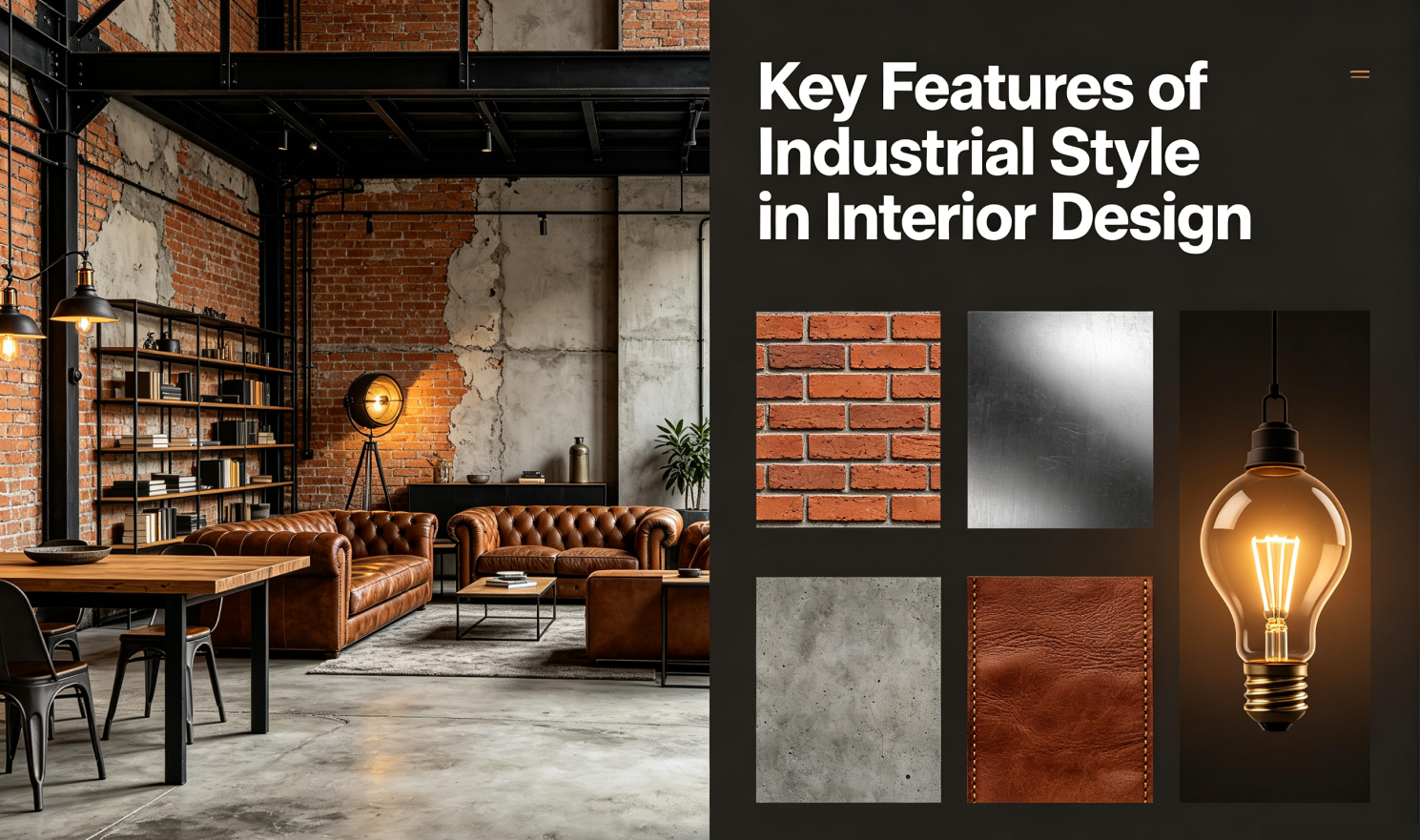
Understanding the defining elements of industrial design is essential before applying any of them, so let's then learn about the key features and elements of industrial interior design style:
1. Exposed structural elements
The most immediately recognizable feature of industrial design is the deliberate exposure of architectural structural elements that other styles conceal.
- Brick walls: Raw, unrendered brick — whether genuinely original or a thin brick veneer applied to flat walls — provides the texture, warmth, and authentic character that is most associated with the industrial aesthetic. The imperfections of handmade brick — the slight variations in color, the mortar lines, the occasional blemish — are precisely what give it its appeal.
- Exposed ceilings: Concrete ceiling systems, steel joists, original timber roof structures, and painted ductwork left visible rather than concealed behind a dropped ceiling create the characteristic raw overhead treatment that gives industrial spaces their sense of volume and history.
- Steel beams and columns: Structural steel elements — whether original or decorative additions — provide the architectural bones of industrial spaces. Their honest presence, typically painted matte black or left in a raw weathered finish, defines the spatial boundaries and creates powerful vertical and horizontal design lines.
- Concrete: Raw concrete — a material color as much as a paint color — with its cool, slightly blue-grey quality introduces concrete's texture and the industrial language it belongs to. Associated with structure, concrete, and metal — it belongs in industrial and contemporary spaces where structure is the design statement.
2. Raw, unfinished materials
Modern industrial design embraces imperfect beauty. Unpolished wall finishes, natural wood grains, subtle concrete textures, and slightly worn surface details replace flawless, overly polished decorations. These raw textures deliver unique spatial depth and authentic, unpretentious charm.
3. High ceilings and open floor plans
The power of industrial interior design has captivated architects and designers for decades — the sense of spatial generosity that comes from high ceilings, large windows, and open floor plans creates an environment that feels liberated from the conventions of conventional domestic space.
4. Large, industrial-style windows
Steel-framed windows — whether original warehouse windows or contemporary interpretations — are one of the most characteristic architectural elements of the industrial vocabulary. Large panes, black or dark frames, and minimum window dressing all contribute to the raw, honest character of the style.
5. Functional, statement Lighting
Industrial lighting draws from the vocabulary of factory and commercial spaces — pendant lights with exposed bulbs, Edison bulb fixtures, task lighting on flexible arms, and cage or mesh-covered bulbs. In 2026, warm amber rather than cool white is the preferred light temperature throughout.
6. Reclaimed and repurposed elements
The sustainable industrial design approach uses recycled metals, reclaimed wood, and eco-friendly materials to reduce environmental impact while maintaining authenticity — reclaimed elements carry history and character that new materials simply cannot replicate.
7. An intentional color restraint
Industrial design's palette is deliberately restrained — raw materials provide most of the color, with deliberate accent choices adding warmth and personality within a fundamentally neutral framework.
Popular Industrial Style Color Palettes in 2026
A common beginner misunderstanding is that industrial style only uses gray, black and brown. In fact, 2026 modern industrial design has upgraded its color system greatly, abandoning single cold tones and launching more livable, trendy, and high-end color palettes suitable for residential homes.
So, let's also then learn about 5 popular color palettes:
Classic neutral industrial (timeless & beginner-friendly)
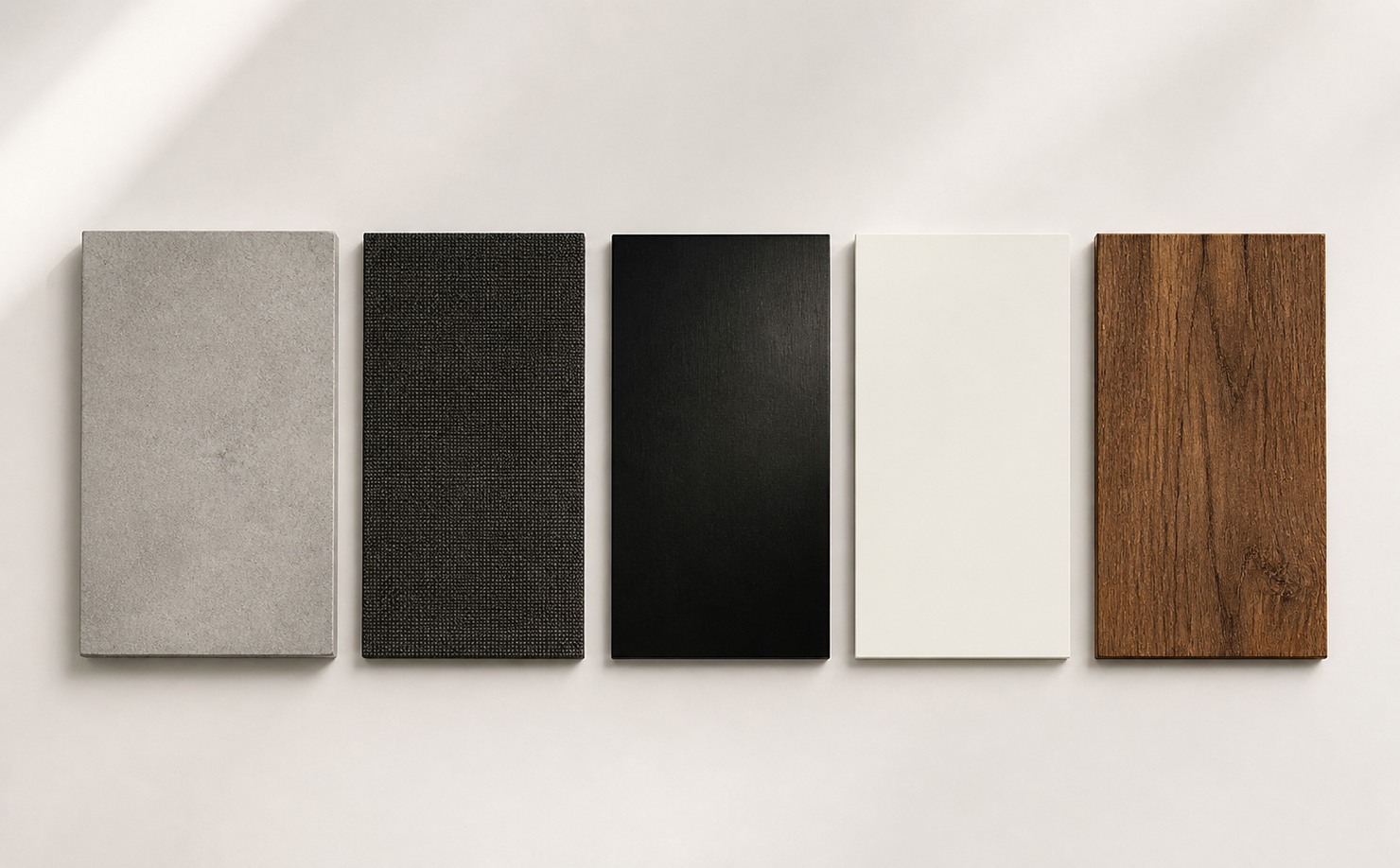
This is the most enduring industrial color scheme, suitable for all house types and long-term home use. The palette consists of warm cement gray, charcoal gray, matte black, soft off-white, and natural log brown.
The neutral tone system is calm, advanced, and never outdated, easy to match with various furniture and decorations, and zero-error for beginner renovators.
Warm earthy industrial (2026 top trending palette)
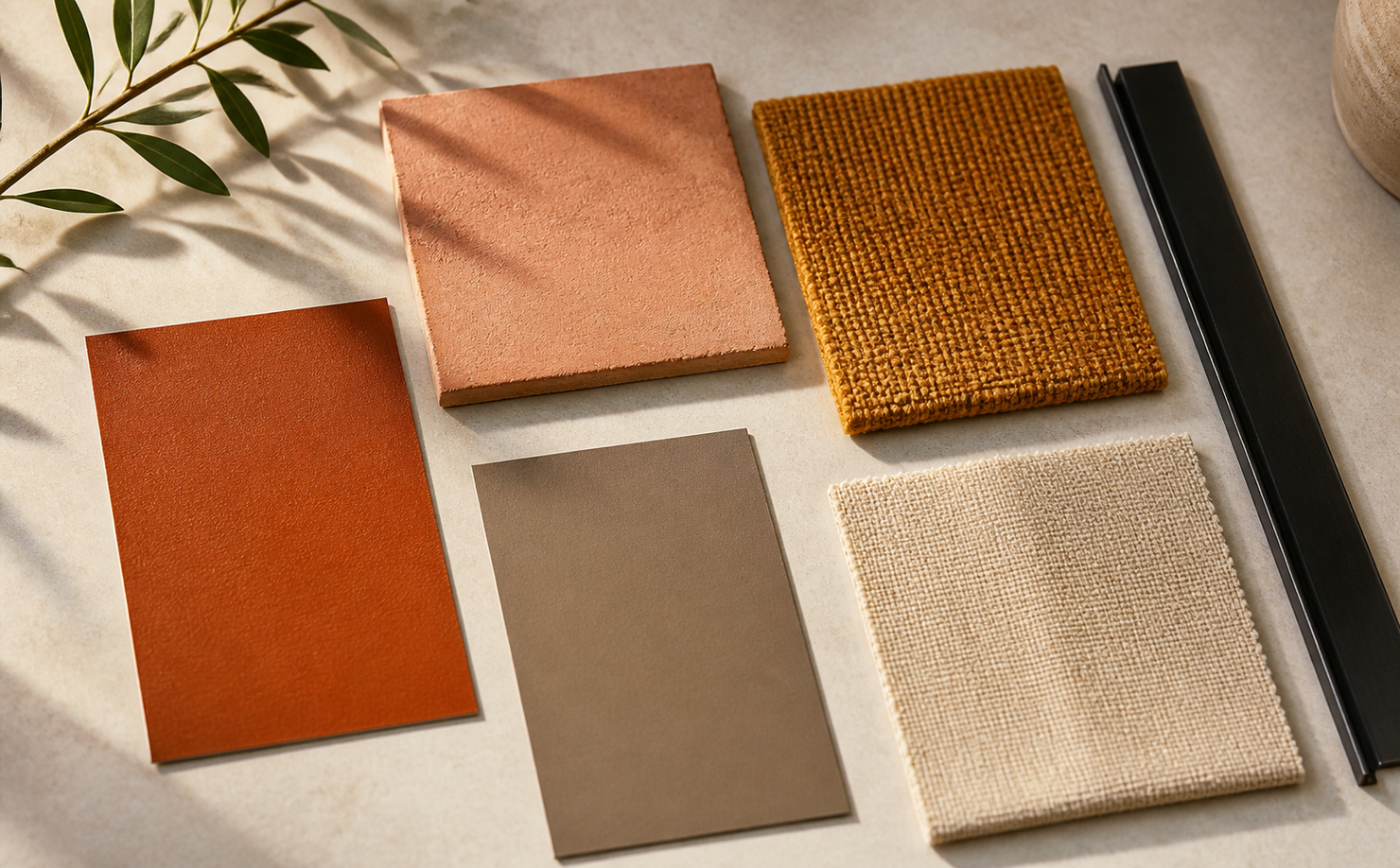
As the most popular updated trend this year, warm earthy industrial completely breaks the cold stereotype of industrial style. It adopts rust orange, terracotta, ochre, warm taupe, and sandy beige as core secondary tones. These soft earth colors blend perfectly with classic industrial neutral bases, significantly enhancing home coziness and creating a warm, textured urban retreat.
Muted moody industrial (high-end luxury choice)
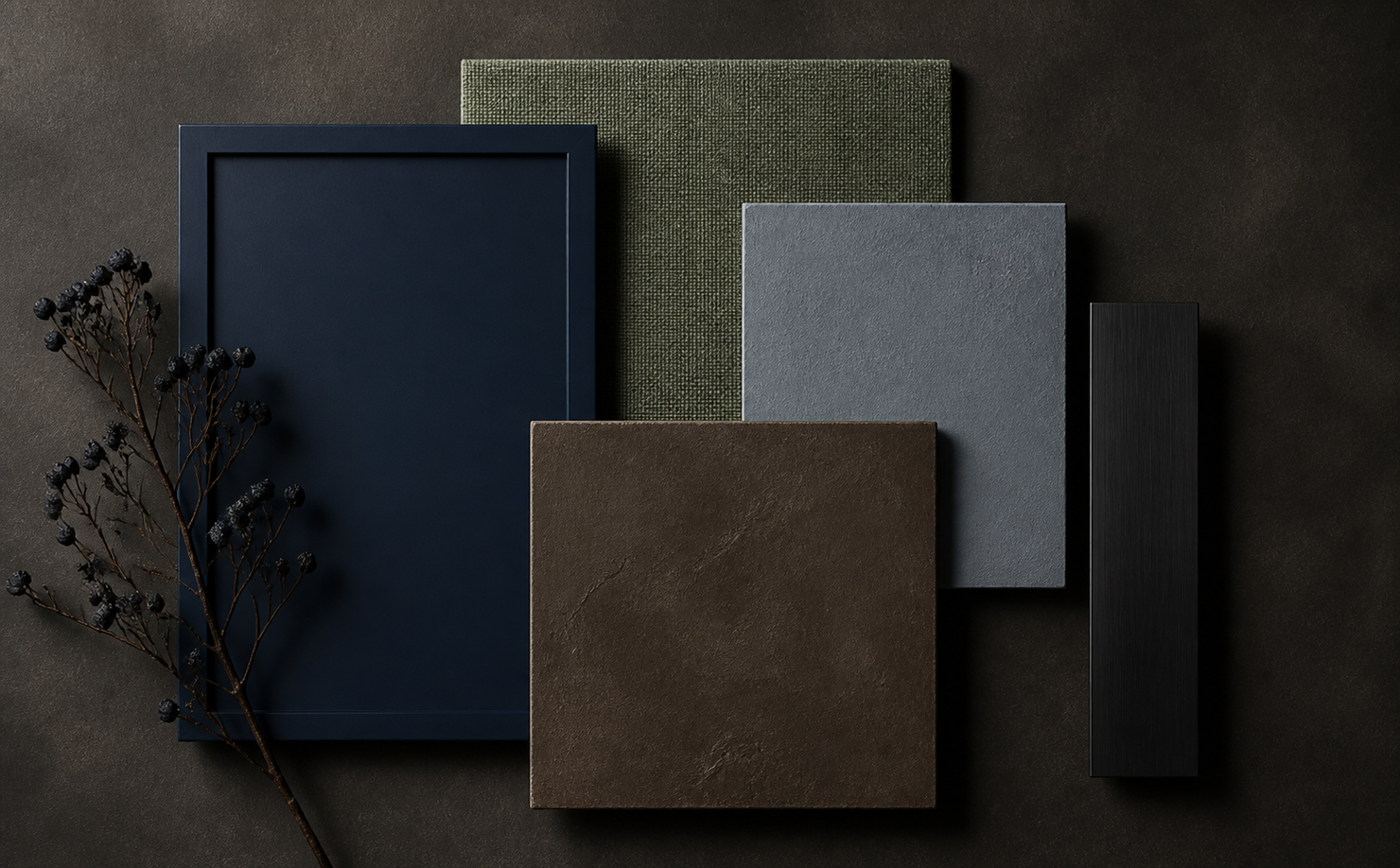
For homeowners pursuing personalized high-end aesthetics, muted moody industrial is the best option. The palette features deep navy blue, muted sage green, haze blue, and dark clay, embellished with matte black metal details. The low-saturation dark tones create a quiet, sophisticated, and luxurious spatial atmosphere, full of story and layering.
Best Materials for Industrial Style Interior Design in 2026
The right materials are what give industrial interiors their distinctive character.
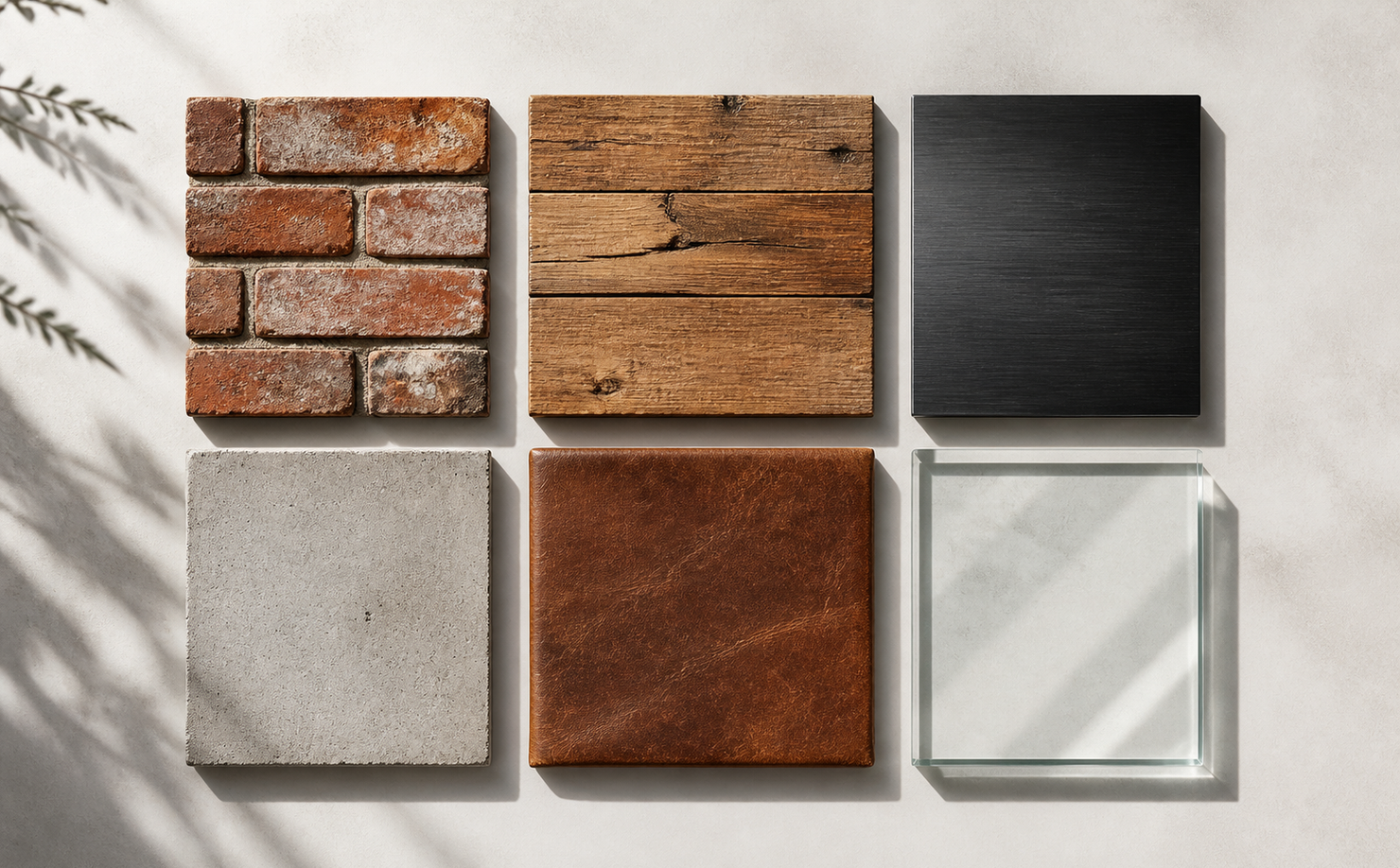
Instead of relying on paint or decoration alone, this style celebrates raw, honest, and tactile materials such as exposed brick, reclaimed wood, steel, concrete, leather, and glass.
The good news? You don't need to use all of them—or live in a converted warehouse—to create the look. A few carefully chosen materials can instantly bring industrial character to your modern home:
1.Exposed brick
Exposed brick is one of the most recognizable materials in industrial design. Its natural texture, warm color variation, and aged character add visual interest while giving a room a sense of architectural history.
How to use it: A single exposed-brick feature wall in the living room, bedroom, or kitchen is often enough. If a full brick wall feels too heavy, consider a thin-brick veneer or brick-look tile for a similar effect with less commitment.
Extra tip: Pair traditional red or brown brick with lighter mortar and warmer furnishings to create a softer, more contemporary industrial look.
2.Raw & reclaimed wood
Wood brings warmth and natural texture to an industrial interior, helping balance harder materials such as concrete and steel. Reclaimed wood is especially appealing because its nail holes, weathered surfaces, knots, and natural color variations give it a sense of history.
How to use it: Try reclaimed wood for ceiling beams, feature walls, dining tables, open shelving, flooring, or headboards.
Extra tip: Richer wood tones such as walnut and aged oak can add warmth and depth while keeping the space grounded and sophisticated.
3.Steel & iron
Steel and iron are essential to the industrial aesthetic because they reflect the structural and functional character of old factories and warehouses. Think exposed beams, black-framed windows, metal shelving, and furniture frames.
How to use it: Incorporate black metal through window frames, lighting fixtures, shelving systems, furniture legs, hardware, or pipe-and-fitting details.
Extra tip: Don't limit yourself to an all-black metal palette. Mixing cool steel with brushed brass, aged copper, or warm bronze can create a more layered and sophisticated look.
4.Concrete
Few materials capture the industrial aesthetic as naturally as concrete. Its cool gray color, subtle imperfections, and tactile surface bring an architectural quality that paint alone can't replicate.
How to use it: Concrete can work beautifully for floors, feature walls, countertops, ceilings, dining tables, planters, and bathroom surfaces. For a lighter renovation, microcement and concrete-effect tiles can create a similar look without requiring structural concrete.
Extra tip: Microcement and concrete-look finishes make the raw concrete aesthetic much easier to introduce into existing homes, even when you're not working with an industrial building.
5.Leather
Leather adds warmth, texture, and comfort to an industrial space. This is especially important when you're working with hard surfaces such as brick, steel, and concrete, which can otherwise make a room feel cold.
How to use it: A leather sofa, lounge chair, dining chair, or ottoman can become a natural focal point. Pair it with metal frames and reclaimed wood for a classic industrial combination.
Extra tip: Distressed, vintage-inspired, and naturally aged leather works particularly well because its imperfections complement the worn and authentic character of industrial design.
6.Glass
Glass helps industrial interiors feel brighter and more open while maintaining the style's architectural character. Large panes, steel-framed partitions, factory-style windows, and textured glass can all work well.
How to use it: Consider black-framed glass doors, room dividers, shower enclosures, or interior windows to separate spaces without blocking natural light.
Extra tip: Glass block is making a nostalgic comeback, offering a distinctive way to introduce texture and privacy while referencing the industrial and retro architecture of past decades.
7.Exposed Concrete Block
Concrete block offers a more geometric and contemporary alternative to traditional brick. Its larger scale and rough texture create a distinctly industrial look while keeping the space feeling modern.
How to use it: Use exposed concrete block for feature walls, partial partitions, exterior walls, or other architectural details. Because of its strong visual presence, pairing it with warm wood, textiles, or greenery can help soften the space.
Extra tip: Keep the surrounding palette relatively simple and let the texture of the concrete block become the focal point.
8.Aged Copper and Brass
Warm metals offer an easy way to soften the traditionally cool industrial palette. Aged copper, unlacquered brass, and warm bronze add depth and character while maintaining the handcrafted, utilitarian feel that defines industrial interiors.
How to use it: Try these finishes on pendant lights, exposed pipework, cabinet hardware, faucets, handles, mirrors, or small decorative accents.
Extra tip: Instead of matching every metal finish, mix warm metals with black steel or iron. The contrast creates a more collected and contemporary industrial look.
Best Industrial-Style Furniture & Decor Matching Guide
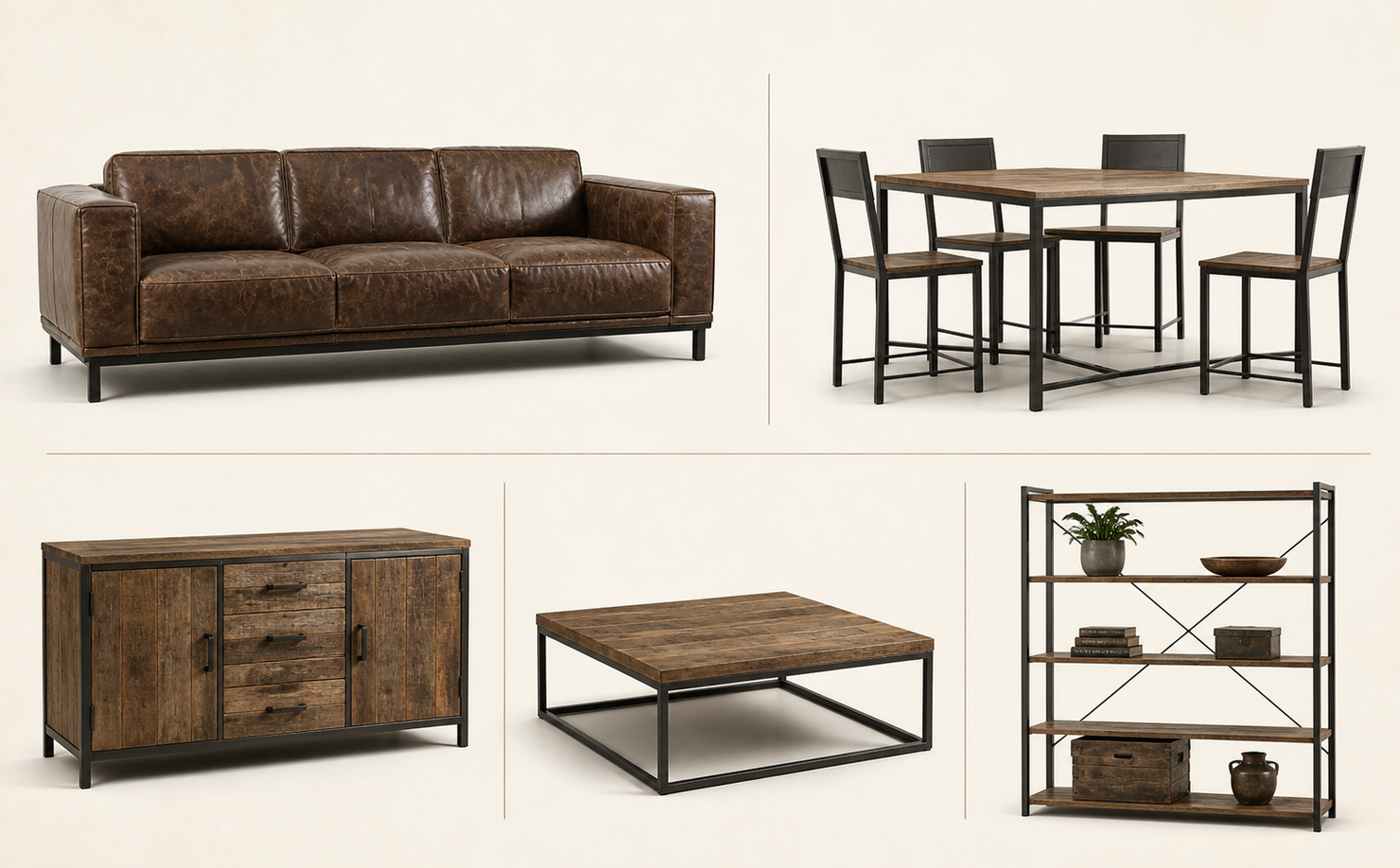
Reasonable furniture and decor matching is the key to perfecting modern industrial style. Following professional selection rules can quickly shape an authentic industrial atmosphere and avoid mismatched, messy collocations.
Core furniture selection rules
Prioritize minimalist geometric structures, metal and wood composite designs, distressed vintage textures, and practical functionality. Avoid overly ornate, carved, or soft romantic furniture that conflicts with industrial temperament.
Top industrial furniture picks
Distressed leather sofas serve as the core of living room spaces, balancing comfort and industrial texture; slim metal frame dining sets simplify spatial lines; reclaimed wood storage cabinets and open industrial bookshelves combine storage function and style; low-profile coffee tables maintain minimalist open space vision.
Must-have industrial decor accessories
Exposed bulb pendant lights and vintage industrial wall lamps shape classic industrial lighting tones; vintage industrial wall art and matte metal ornaments enrich detail layering; black steel frame mirrors refine space lines; potted green plants soften hard industrial textures and inject vitality into the space.
15 Inspiring Industrial Style Interior Design Examples
Industrial design can look very different from one home to another. Some spaces embrace exposed brick, steel and concrete almost completely, while others soften the industrial character with Scandinavian furniture, vintage pieces, plants, or warm wood.
The following real homes and projects show how designers and homeowners have interpreted industrial style in different ways—and what you can take away for your own space.
1.Historic New York loft with original industrial character
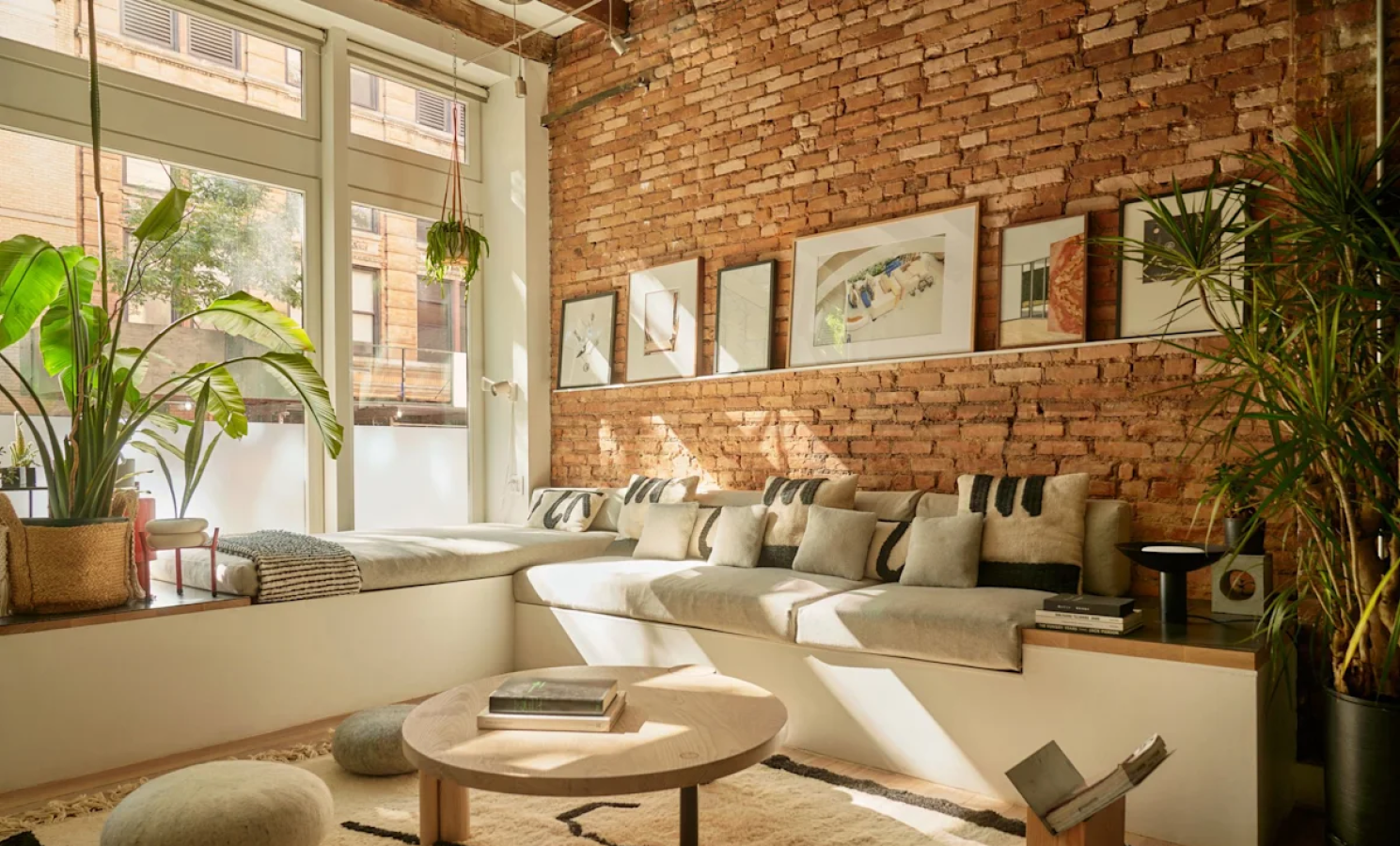
A historic New York loft interior design example with original industrial character from Gabriel Yuri
One of the best ways to achieve authentic industrial style is to work with the architecture you already have. In this 860-square-foot New York loft, the owner restored original pine floors while revealing existing brick, pipework, and steel beams. Original tin ceiling tiles were also reused in the kitchen, bathroom, and hallway, alongside steel kitchen cabinetry and vintage furniture.
What to learn: : Industrial style feels most convincing when the building's original character becomes part of the design rather than something to hide.
2.Classic williamsburg industrial loft
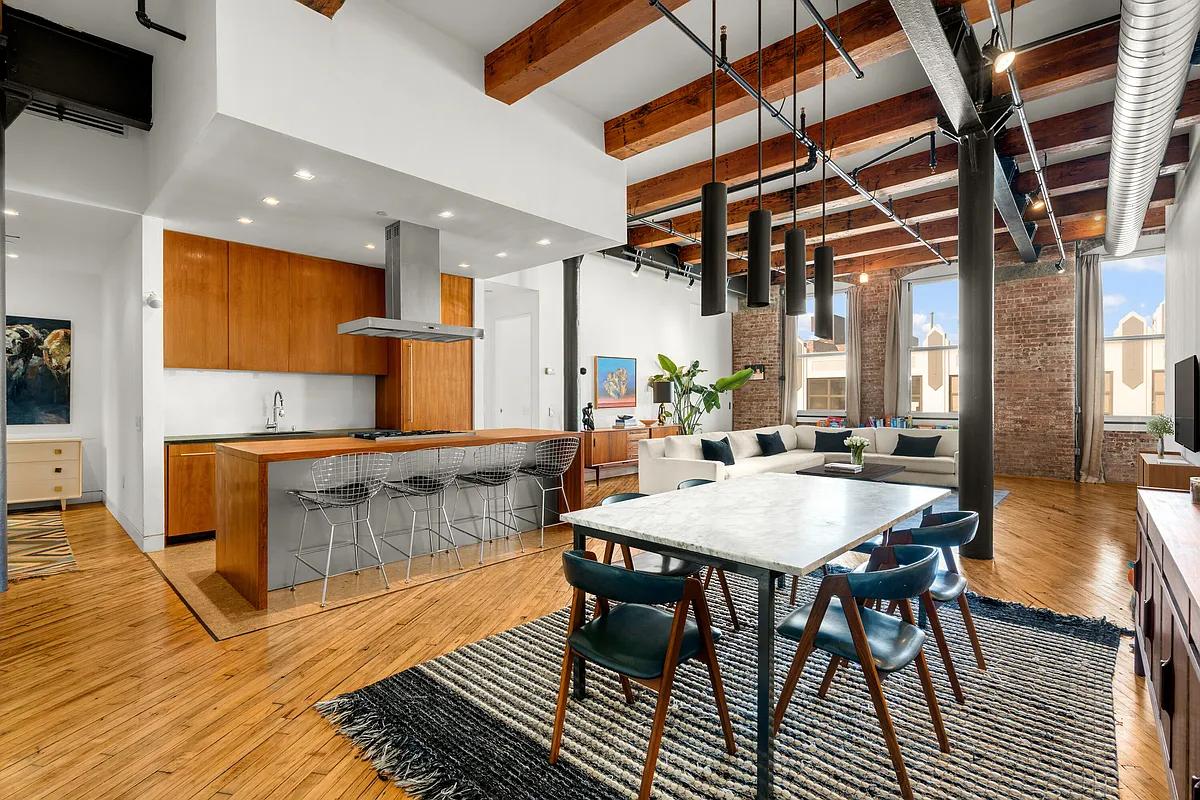
This Williamsburg loft design example takes a more traditional industrial approach, combining high ceilings, large windows, exposed brick, concrete beams, stainless steel, and glass.
Rather than filling the large space with decoration, the designers kept the material palette relatively restrained and allowed the architecture to remain the star.
What to learn: : You don't need dozens of industrial accessories. A few authentic architectural materials can establish the entire aesthetic.
3.Warm Scandinavian-Industrial loft
Design any room, shop or space with DecAI in less 30 seconds! It's free!
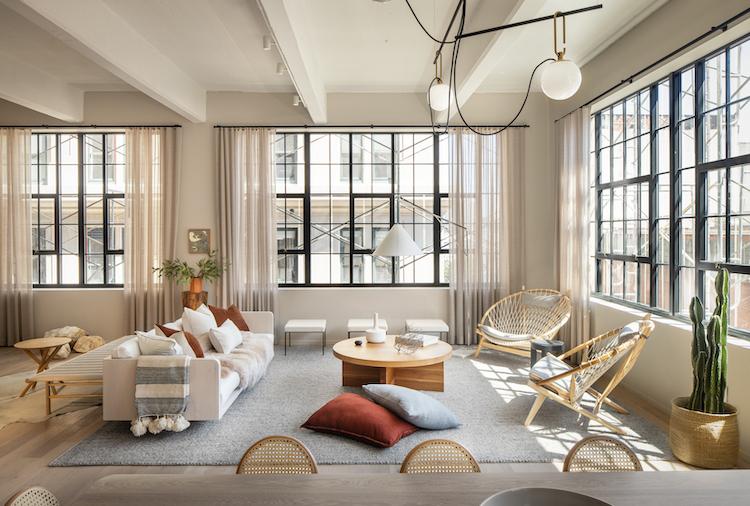
This Oakland loft interior design example shows how industrial architecture can become much softer when paired with Scandinavian influences. The project combines black-framed windows and substantial structural beams with white walls, pale Douglas fir, warm white kitchen finishes, and simple furniture.
What to learn: : If traditional industrial interiors feel too dark for you, keep the metal and architectural structure but introduce lighter woods, white surfaces, and simple Scandinavian furniture.
4.Industrial meets Scandinavian in Stockholm
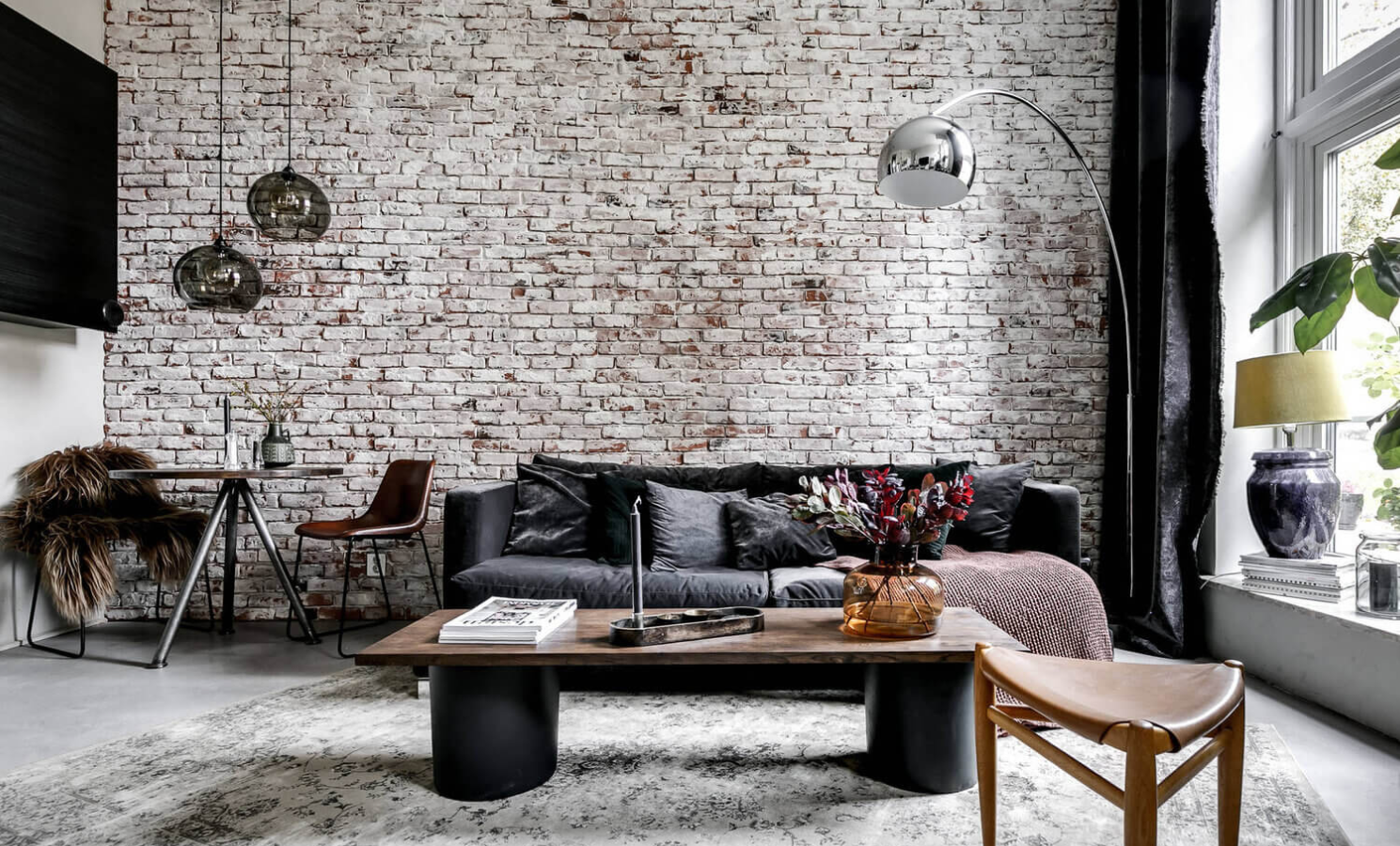
A former dairy shop in Stockholm was transformed into a one-bedroom apartment with a dramatic exposed brick wall, concrete flooring, dark textures, and a blue kitchen.
Mirrors help reflect natural light into the lower-level bedroom, keeping the industrial palette from feeling overly heavy.
What to learn: You don't need a huge loft to create industrial character. One strong material—such as an exposed brick wall—can become the room's focal point.
5.Cozy industrial-Scandinavian apartment
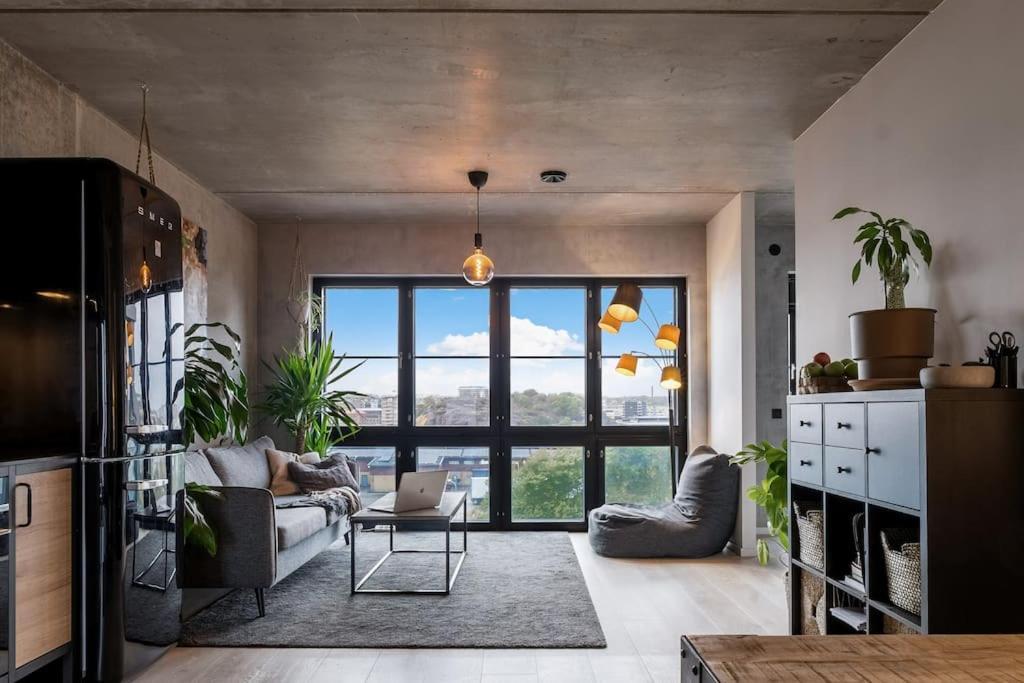
This Gothenburg apartment combines black and concrete surfaces with Scandinavian furniture and large-scale artwork. The result demonstrates how soft furnishings and carefully selected furniture can prevent an industrial interior from feeling excessively hard or utilitarian.
What to learn: The secret to a livable industrial home is contrast: hard architectural materials need softer furniture, textiles, and artwork around them.
6.Art-Filled industrial apartment
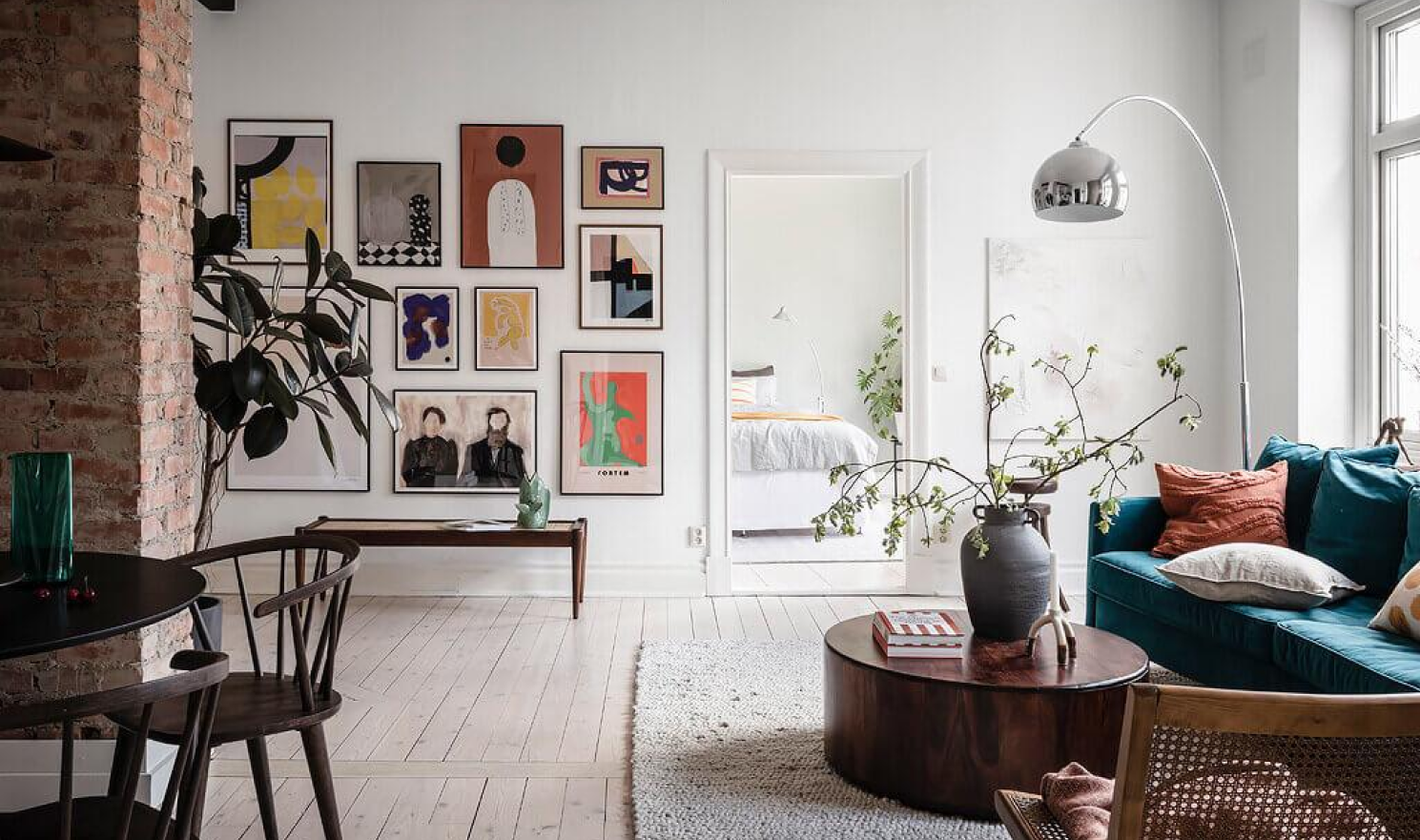
This Gothenburg apartment interior design takes industrial design in a more artistic direction. Its original industrial character—including exposed brickwork, heavy timber beams, original doors, and high ceilings—is paired with a gallery wall, vintage furniture, and cobalt-blue accents.
What to learn: Industrial interiors don't have to be monochromatic. A single strong accent color can add personality without weakening the architectural character.
7.Black, white & Scandinavian-Industrial
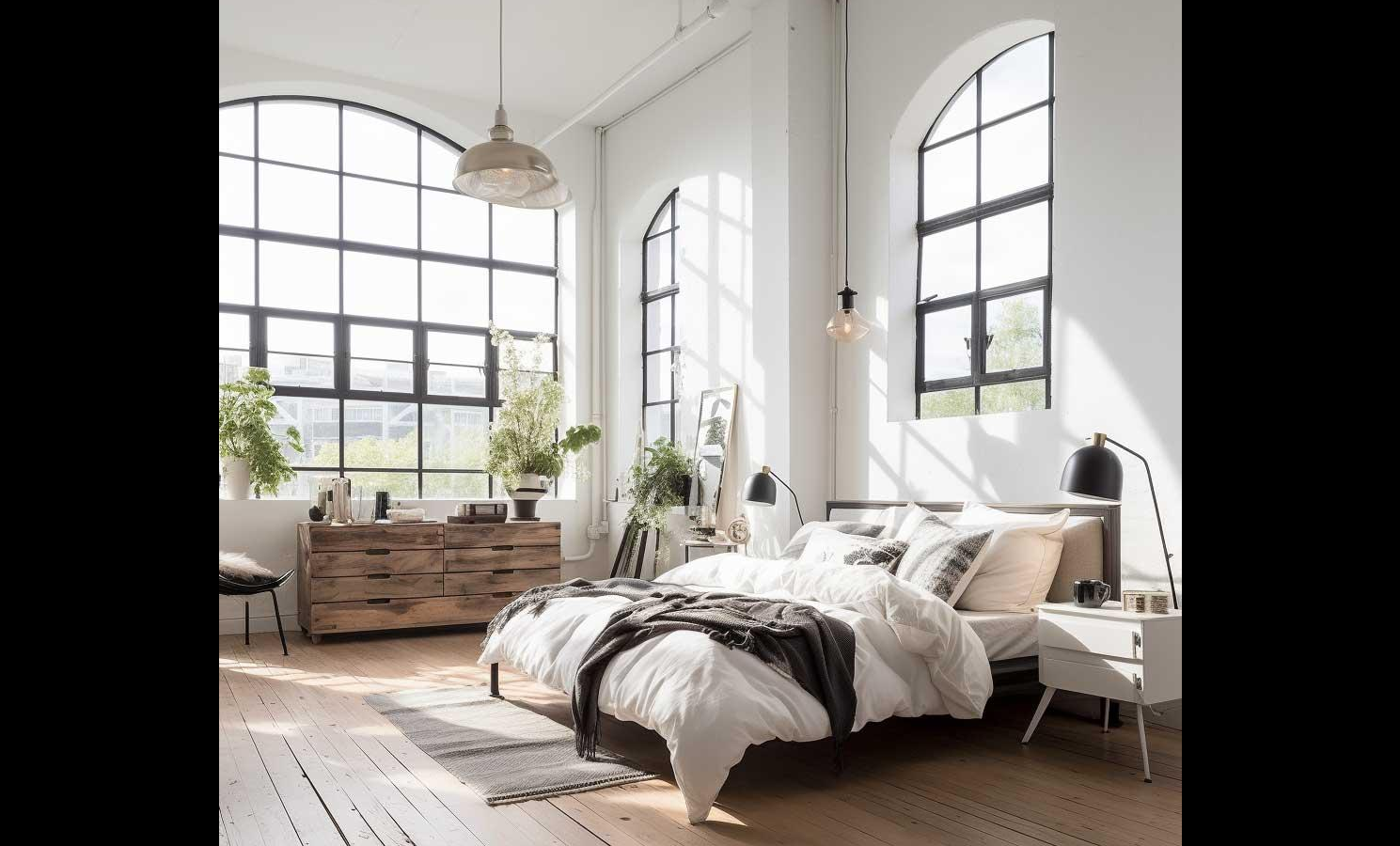
This project demonstrates a more polished interpretation of industrial style. A steel-framed interior window, exposed bulbs, black-and-white marble, and clean contemporary furniture bring industrial details into an otherwise refined home.
What to learn: Industrial elements don't have to dominate the room. Steel-framed doors, windows, lighting, or hardware can introduce the style in smaller doses.
8.Industrial style with a large-scale loft layout

This Dallas residence demonstrates the dramatic side of industrial design. The building was originally constructed for the Viking Freight Company before being converted into a large loft-style residence. Its existing brick structure provides the architectural foundation for the interior.
What to learn: In a large industrial space, scale matters. Oversized architectural elements and furniture can prevent the room from feeling visually empty.
9.Industrial design with a strong blue accent
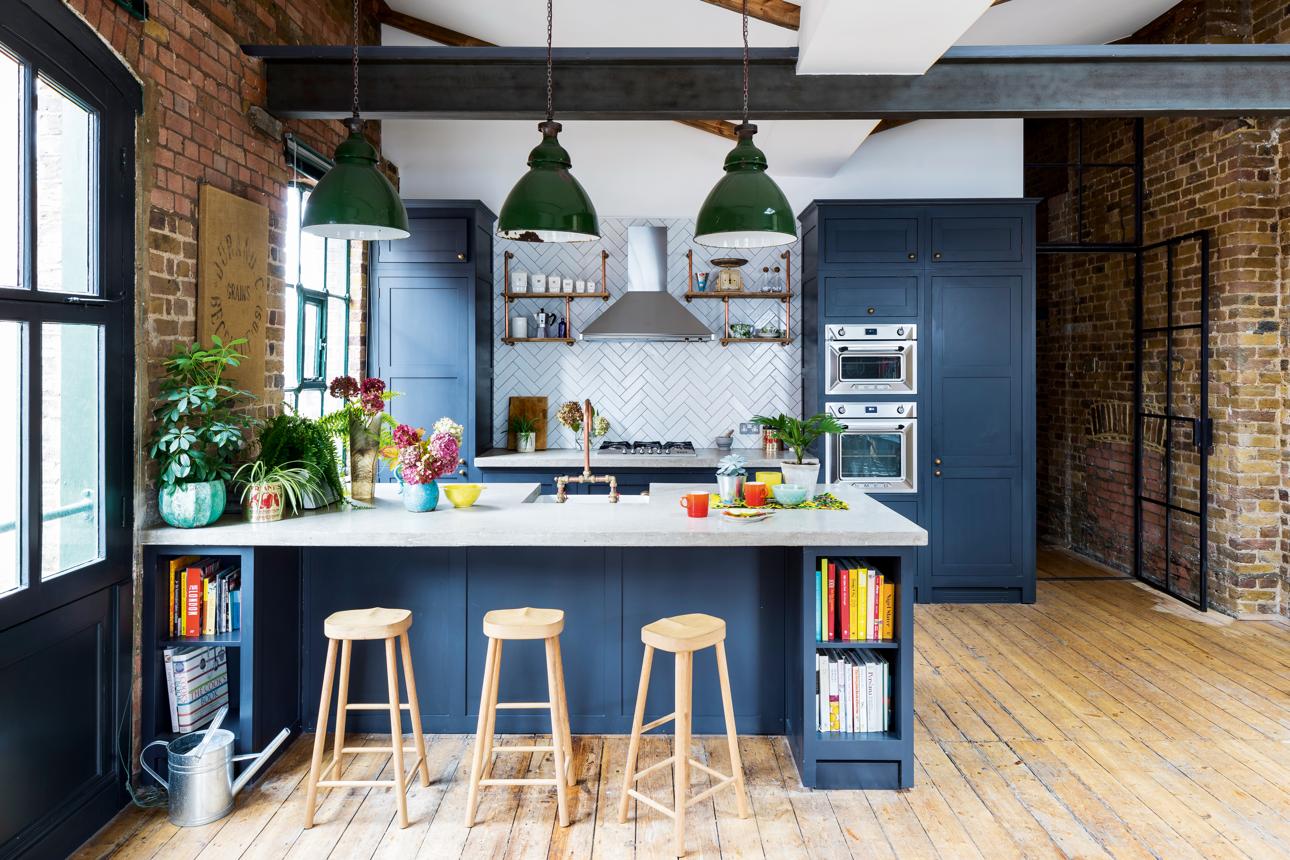
The Stockholm former dairy-shop apartment is particularly useful if you want to move beyond the typical black-and-gray industrial palette. Its blue kitchen introduces color while the brick, concrete, and darker finishes maintain the industrial foundation.
What to learn: Industrial style doesn't require neutral colors everywhere. Choose one strong color and repeat it selectively instead of introducing many competing accents.
10.Industrial style in a compact apartment
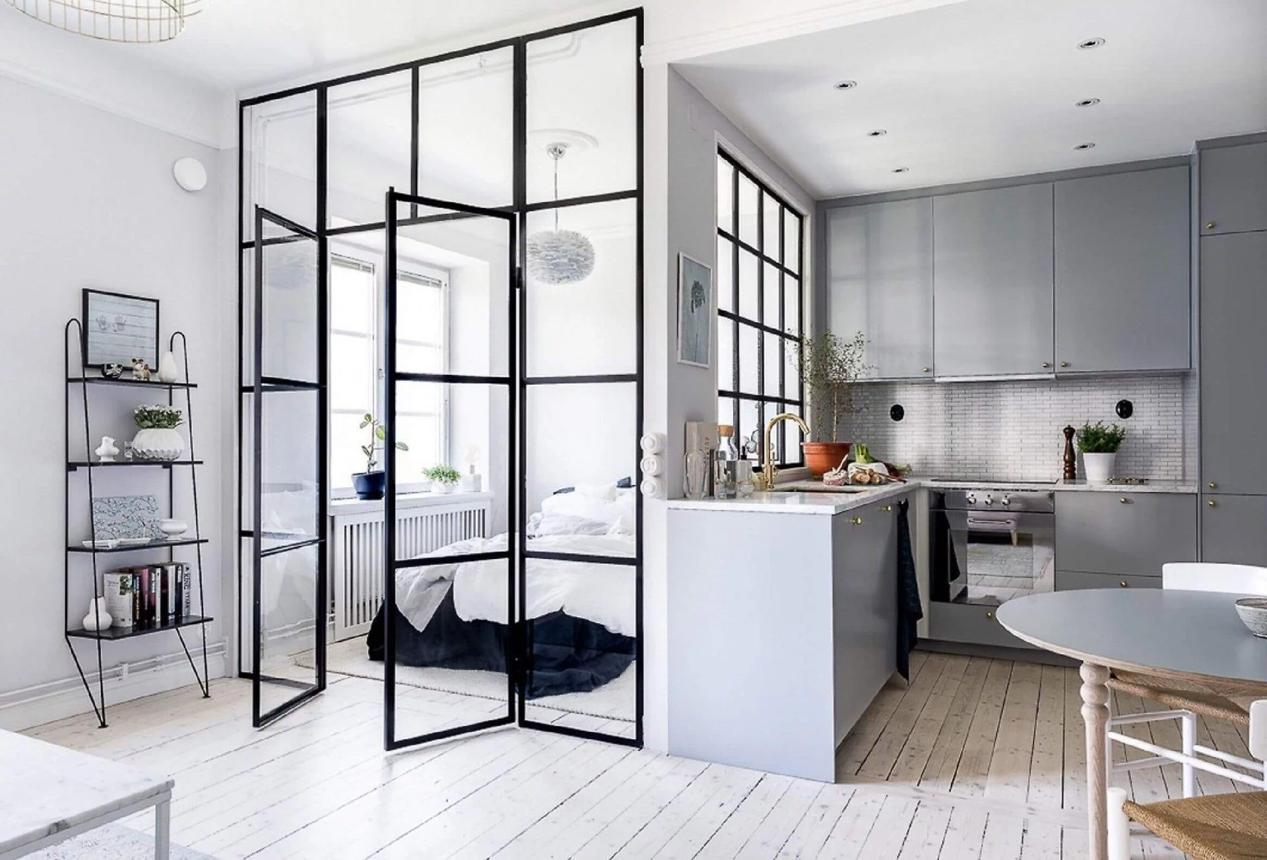
Industrial style can work particularly well in compact apartments when its architectural elements are used strategically. The Stockholm and Gothenburg examples show how glass partitions, steel frames, vertical storage, and restrained furniture can preserve an open feeling without requiring a huge floor plan.
What to learn: In a small home, use industrial materials to define zones rather than filling the room with industrial furniture.
11.Industrial style as a home office
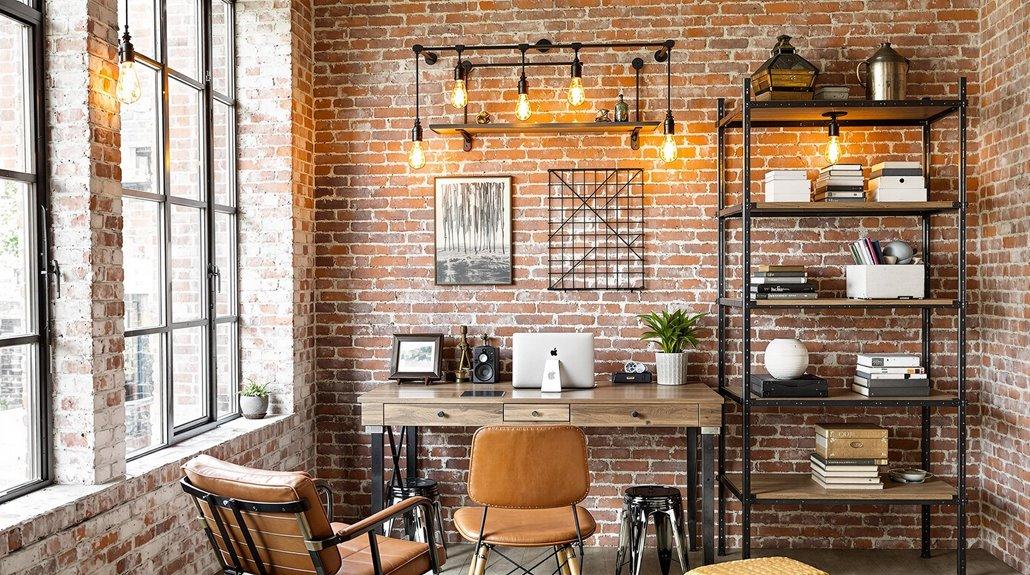
Industrial design naturally suits workspaces because of its emphasis on function, storage, durable materials, and practical furniture. A reclaimed-wood desk, black metal shelving, task lighting, and an exposed brick or concrete backdrop can create the look without requiring a complete renovation.
What to learn: For a home office, let the industrial character come from functional elements—desk, shelving, lighting, and storage—rather than decorative props.
12.Dark and moody industrial
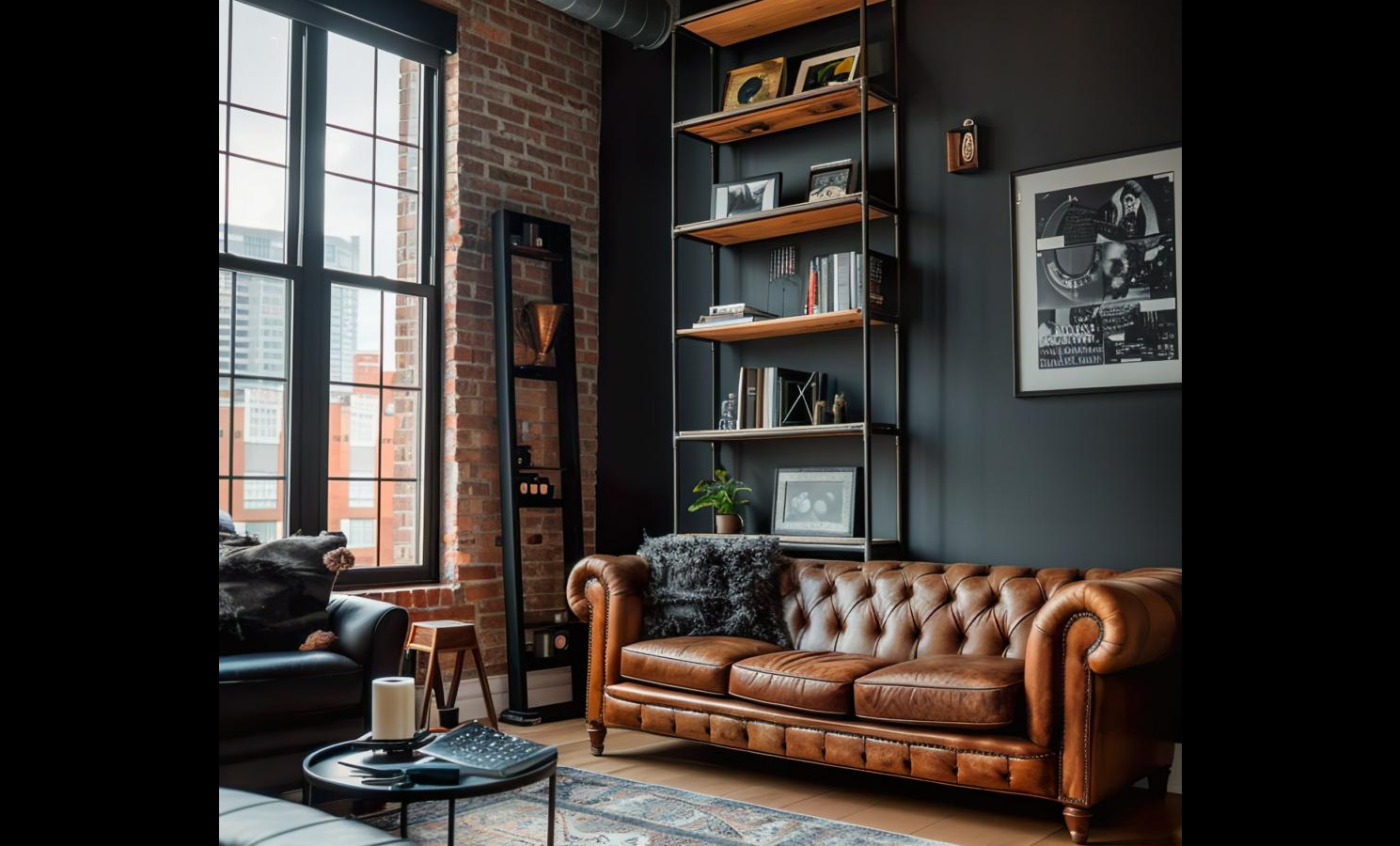
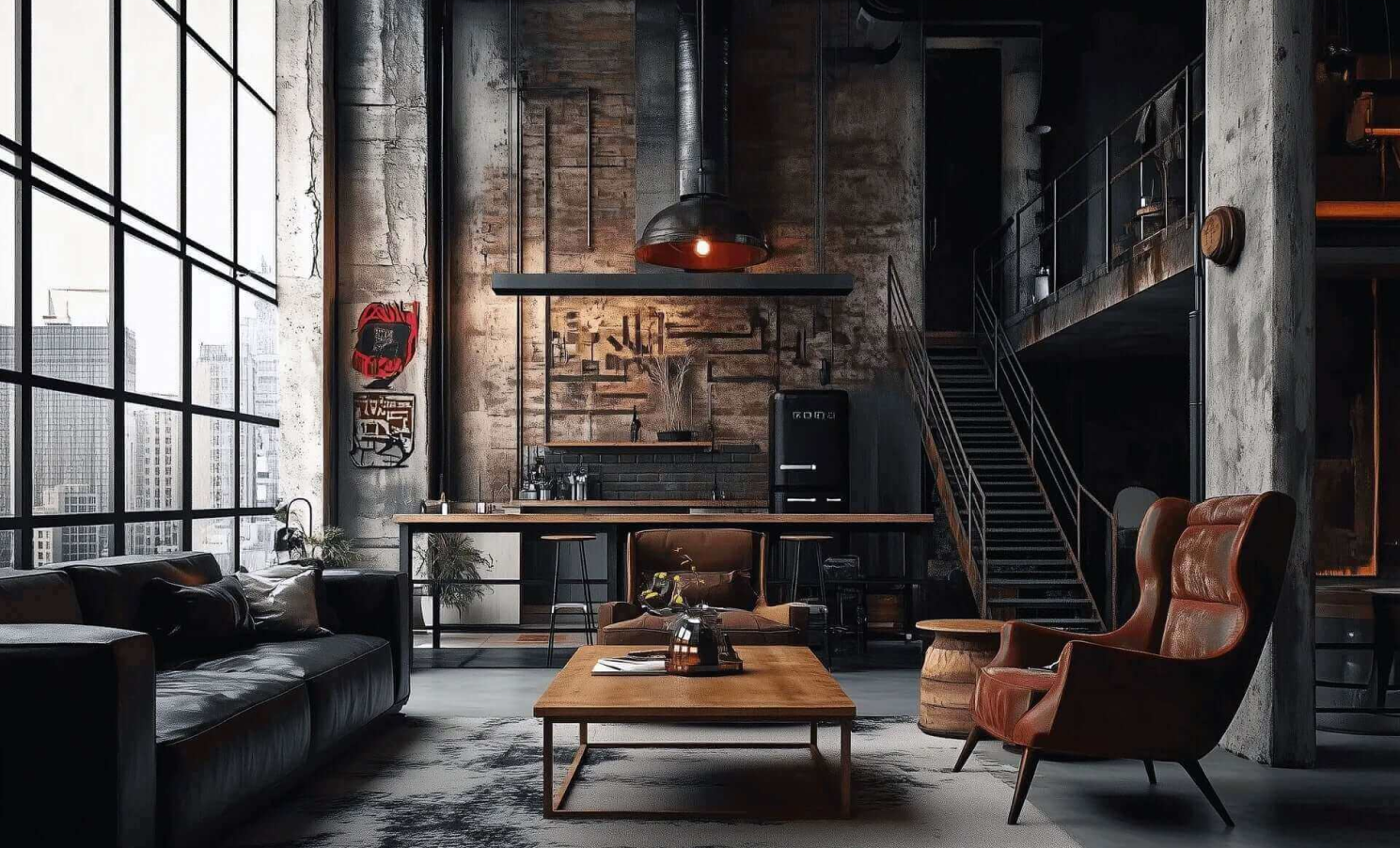
Industrial interiors can also take a darker, more dramatic direction. Think charcoal walls, dark wood, aged leather, black metal, and warm pools of artificial light rather than relying on bright natural light alone.
It is also noticable that industrial interiors commonly use neutral palettes, dark metals, exposed architectural elements, and carefully considered lighting.
What to learn: The darker the palette, the more important layered lighting becomes. Warm ambient, task, and accent lighting can keep a dark industrial room from feeling gloomy.
These 12 examples may look very different from one another, but they all point to one important idea: industrial style is about balance, not simply adding more raw materials. Exposed brick, metal, concrete, and reclaimed wood work best when balanced with softer textures, thoughtful furniture, and a comfortable sense of proportion.
Hopefully, these examples give you some practical ideas and inspiration to bring industrial character into your own space without making it feel cold or overly heavy.
How to Create a Stunning Industrial Style Interior Design with DecAI for Free
One of the biggest challenges when redesigning a home is knowing how the finished space will actually look. For beginners, it can be difficult to visualize how industrial elements will work together in their own space—and the wrong combination of colors, materials, or furniture can be costly to change later.
That’s where AI interior design tools can help. With a free AI design tool like DecAI, you can experiment with different industrial design ideas and preview the results before making real changes to your home.
DecAI is a beginner-friendly AI interior design tool that lets you quickly transform a photo of your existing room into different design styles, including industrial style. You don't need professional design skills or expensive software—just upload a photo, choose your preferred style, and let AI do the rest.
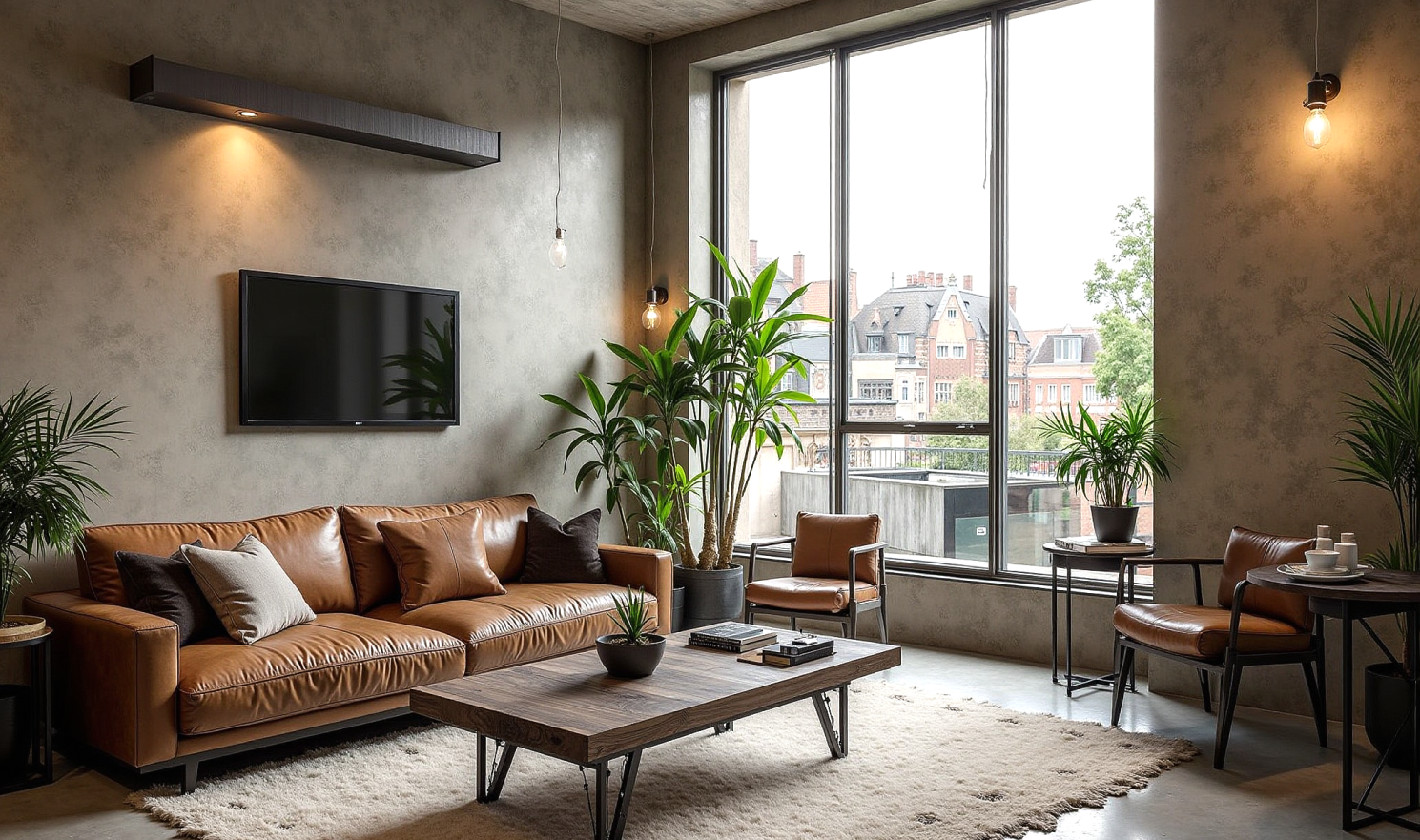
A stunning industrial style interior design example made by DecAI
And you don't have to settle for the first result. If the AI-generated design isn't quite what you had in mind, you can easily refine it further. Try changing your floor or wall textures and materials, or upload a reference image from Pinterest, Instagram, Dezeen, or anywhere else to inspire the look. DecAI can help you bring that style into your own space, making it easier to experiment until you find an industrial design that feels just right.
Common Industrial Design Mistakes to Avoid (Beginner’s Guide)

Industrial design is deceptively easy to get wrong — because it looks simple but requires as much care and intentionality as any more obviously complex aesthetic. Here are the 10 mistakes that most commonly undermine industrial interiors:
Over-exposing structural elements
Blindly stacking exposed pipelines, beams, and bare ceilings leads to messy, cluttered commercial warehouse visuals, completely losing the refined sense of modern residential industrial design.
Overusing cold hard materials
Excessive concrete, bare metal, and stone without warm element collocation creates a harsh, lifeless space that is unsuitable for daily family living.
Wrong high-saturation color matching
Matching industrial base tones with bright high-saturation colors destroys the style’s muted, advanced texture, resulting in gaudy, uncoordinated visuals.
Over-furnishing and over-decorating
Piling up too much furniture and ornaments buries industrial minimalism, making the space crowded and losing its unique urban concise charm.
Ignoring layered lighting design
Single and dim lighting leads to dull, dark, cramped industrial spaces, failing to display material texture and spatial layering.
Blind element stacking in small apartments
Excessive industrial structural elements and heavy furniture in small homes compress spatial vision, causing a crowded and depressing living environment.
Budget-Friendly Industrial Design Tips for Ordinary Homes
Many homeowners give up industrial style mistakenly believing it requires high renovation costs.
In fact, modern industrial design is highly adaptable to low-budget renovations. With targeted material replacements and soft decoration adjustments, ordinary families can easily create a textured industrial home without expensive hard renovations.
Low-cost material alternative solutions
Replace expensive raw concrete and solid metal with affordable microcement paint, industrial-style wall veneers, and matte metal decorative strips. These low-cost materials perfectly simulate authentic industrial textures while greatly reducing renovation budgets.
Soft-decoration-first renovation strategy
You can shape an industrial atmosphere without changing hard decorations. Use low-cost exposed bulb lamps, metal-framed mirrors, vintage wall art, linen textiles, and log ornaments to adjust the overall space tone, easily creating industrial style at a low cost.
No-renovation layout adjustment skills
Rearrange furniture to form open partition-free layouts, remove redundant fancy decorations, and retain simple functional furnishings. Zero-cost layout optimization can quickly shape the minimalist, unrestrained temperament of modern industrial style.
FAQs
Q1: Is industrial style still popular in 2026?
A1: Yes, industrial style remains one of the most popular and timeless interior design trends in 2026. The outdated cold commercial industrial style has faded, but the upgraded warm modern industrial style with balanced texture and high livability is extremely popular for residential renovations. Its unique urban ruggedness and personalized minimalism keep it from being outdated, suitable for long-term home use.
Q2: What colors are used in industrial interior design?
A2: 2026 modern industrial color schemes are divided into three categories. Classic neutral tones include warm gray, charcoal gray, matte black, and off-white; trending warm earthy tones include terracotta, rust orange, ochre, and warm taupe; high-end muted tones include deep navy, sage green, and haze blue. All colors are low-saturation and matte to ensure advanced texture.
Q3: What are the most common and livable industrial-style materials in 2026?
A3: The most livable industrial materials balance texture and warmth. Core materials include matte microcement, exposed brick veneer, brushed metal, and travertine; warm balancing materials include reclaimed wood, distressed leather, and thick linen; auxiliary materials include frosted glass and slim steel frames. These materials avoid commercial coldness and fit family living needs.
Q4: What is the difference between traditional industrial and modern industrial design?
A4: Traditional industrial design focuses on pure utilitarianism, with excessive exposed structures, single cold tones, and rigid hard materials, presenting a commercial warehouse atmosphere with low livability. 2026 modern industrial design takes residential comfort as the core, retains classic industrial textures, adds warm soft elements, adopts diverse gentle color palettes, and achieves a perfect balance between stylish personality and daily livability.
Q5: What furniture matches industrial interior style best?
A5: Furniture with metal + wood composite structures, minimalist geometric lines, and distressed vintage textures is the best match. Core pieces include distressed leather sofas, metal frame dining sets, reclaimed wood storage cabinets, open industrial bookshelves, and low-profile coffee tables. Avoid overly luxurious, carved, or pastoral-style furniture.
Q6: How to create an industrial style home on a low budget?
A6: Prioritize soft decoration transformation and low-cost material replacement. Use industrial paint and veneers to replace expensive raw materials, decorate with affordable vintage lamps and metal ornaments, adopt open furniture layouts, and remove redundant fancy decorations. A soft-decoration-first strategy can create a pure industrial atmosphere with minimal cost.
Q7: Which interior styles can be safely mixed with industrial design?
A7: Modern industrial style has strong compatibility. It can be perfectly mixed with vintage retro style, wabi-sabi style, and modern light luxury style. The texture and aesthetic logic of these styles are consistent with modern industrial design, which can enrich spatial layers without aesthetic chaos. Avoid mixing with overly romantic pastoral style or pure sweet cream style with conflicting tones.
Q8: How to make industrial style home warmer and not cold?
A8: Add warm balancing materials such as reclaimed wood, leather, and linen fabrics; adopt 2026 warm earthy color palettes; configure layered soft ambient lighting; match natural green plants and vintage soft decorations. These methods can effectively neutralize the coldness of industrial hard materials and create a warm lived-in atmosphere.
Q9: What is the difference between industrial and modern industrial design?
A9: Traditional industrial design pursues original, rough, and utilitarian industrial characteristics, ignoring residential comfort, and is more suitable for commercial spaces. Modern industrial design is a residential-oriented upgraded version. It inherits industrial texture and personality while optimizing color matching, material collocation, and lighting design, focusing on warmth, layering, and livability for family homes.
Q10: Can industrial style work in a small apartment?
A10: Absolutely yes. 2026 modern industrial style is very suitable for small apartments. Its open partition-free layout, lightweight minimalist furniture, and unified matte tones can visually expand small spaces and avoid cramped feelings. Just avoid excessive exposed structural elements and heavy dark materials, and match warm soft decorations to create a stylish, spacious small industrial home.
--------------------------------------
If you believe that any material on this site infringes your intellectual property rights, please contact the author at decaiwebteam@outlook.com with details of your claim.
Redesign any home interior, exterior & garden in seconds
Share this Post:


Redesign any home interior, exterior & garden in seconds