
Warm Minimalism vs Cold Minimalism: Which One Should You Choose in 2026?

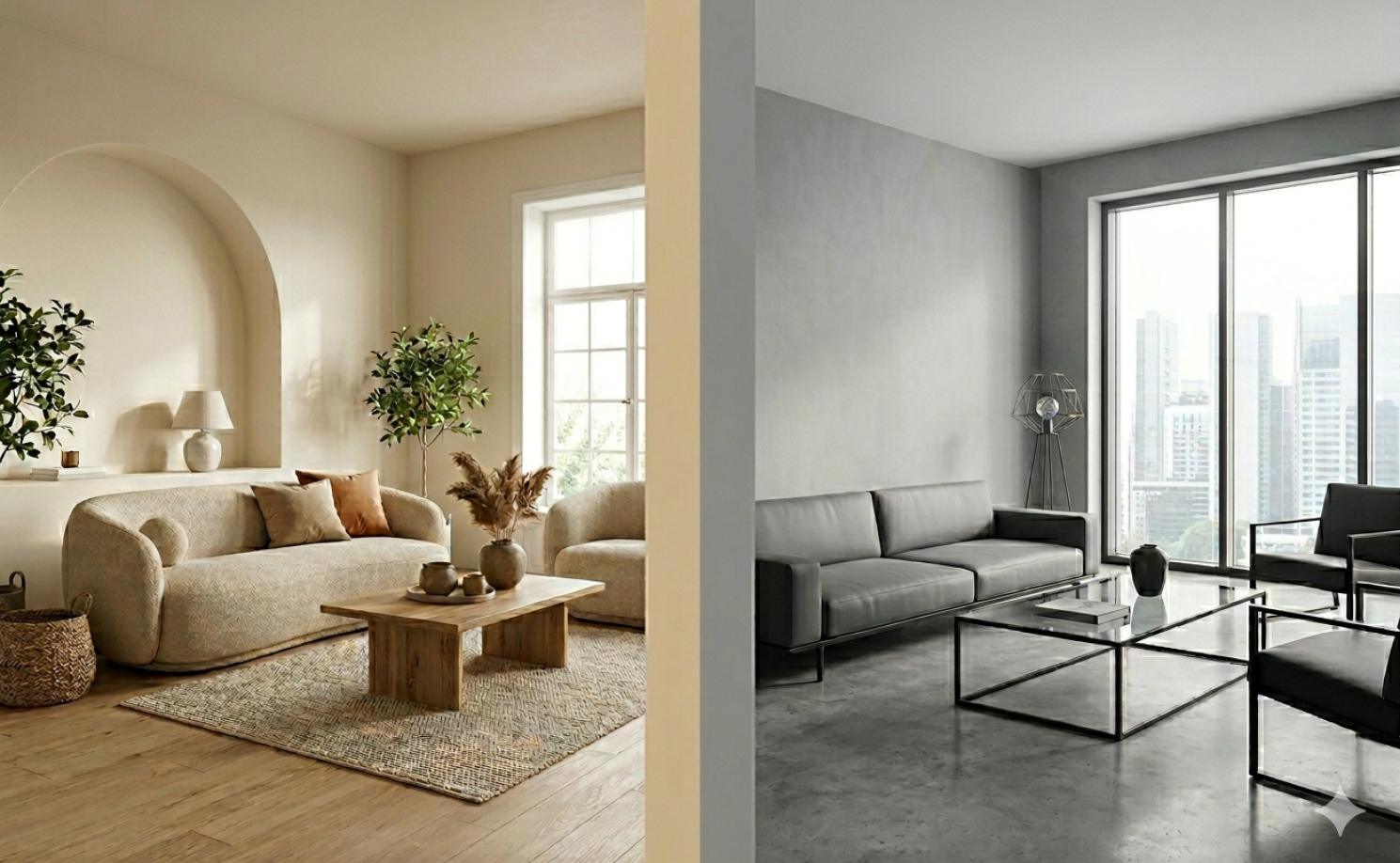
Minimalist interior design has evolved dramatically over the last few years. In 2026, minimalism is no longer only about empty white spaces and ultra-clean aesthetics. Instead, homeowners and designers are now divided into two major directions: warm minimalism and cold minimalism.
While both styles embrace simplicity, functionality, and clutter-free living, they create completely different feelings and lifestyles.
So which one is better for your home or space in 2026? No worries! In this guide, we'll walk you through the definition, pros and cons of these two minimalism design styles, and compare them in terms of
- color palette
- materials and texture
- furniture shape
- lighting
- emotional feel
- maintenance and livability
- cost tendency
- best room types
- best fit by personality
- 2026 trend relevance
…and much more to help you confidently choose the best minimalist style for your next project.
As you explore the differences, you can also try our free AI interior design tool to instantly visualize and iterate your minimalist design ideas at your fingertips.
Design any room, shop or space with DecAI in less 30 seconds! It's free!
What Is Warm Minimalism?
Warm minimalism is a refined approach to interior design that prioritizes comfort, character, and visual calm, without losing the clean lines and uncluttered feel of traditional minimalism. It focuses on quality materials, soothing textures, and natural finishes — all carefully selected to create a peaceful and inviting space.
Instead of leaning on bright white walls, cool grays, and severe contrast, warm minimalism uses a quieter, warmer and more natural palette. Think cream, sand, taupe, mushroom, clay, caramel-toned wood, soft stone, linen, wool, plaster, and brushed finishes. The room still feels edited and uncluttered, but it also feels lived in, grounded, and emotionally easy.
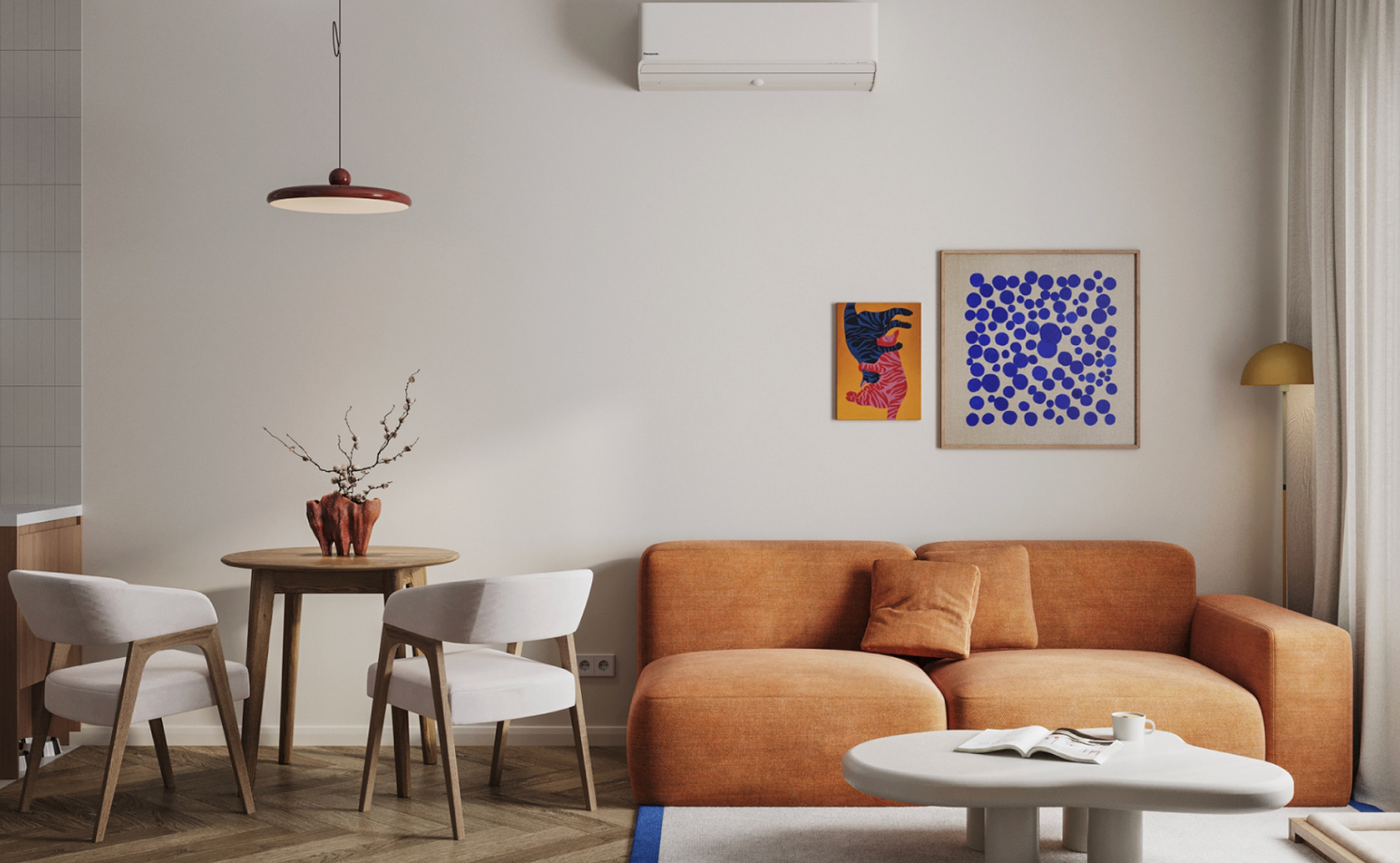
Warm minimalism example from Olena Dzhulik
The goal of warm minimalism is not to fill a room with more things. It is to make fewer things feel better. A warm minimalist space may include only a handful of pieces, yet each one adds comfort through shape, tone, material, or texture. A curved sofa, oak dining table, linen curtains, matte ceramic lamp, and textured rug can make a room feel complete without making it feel busy.
This is one reason warm minimalism has become so influential. It solves the biggest complaint people have about classic minimalism: that it can feel too cold to truly live in. Warm minimalism keeps the visual calm while removing the emotional distance.
You can usually recognize warm minimalism by a few repeated traits:
- Warm neutrals instead of icy whites
- Natural materials instead of reflective or highly synthetic finishes
- Soft, tactile layering instead of bare surfaces
- Rounded or organic silhouettes instead of only hard edges
- Ambient lighting instead of stark overhead light
- Personal restraint instead of impersonal emptiness
In practice, warm minimalism feels calm, but not blank. Polished, but not intimidating. Thoughtful, but not overly styled.
Pros and Cons of Warm Minimalism
Before incorporating the warm minimalism into your home or space design, you should also know its pors and cons:
Pros of warm minimalism
Warm minimalism has a lot going for it in 2026, especially for real households rather than showroom-perfect spaces:
- The biggest advantage is livability. It feels welcoming without asking you to abandon minimalist principles. If you want a home that is peaceful, stylish, and easier to relax in, warm minimalism usually gets you there faster than colder versions of the style.
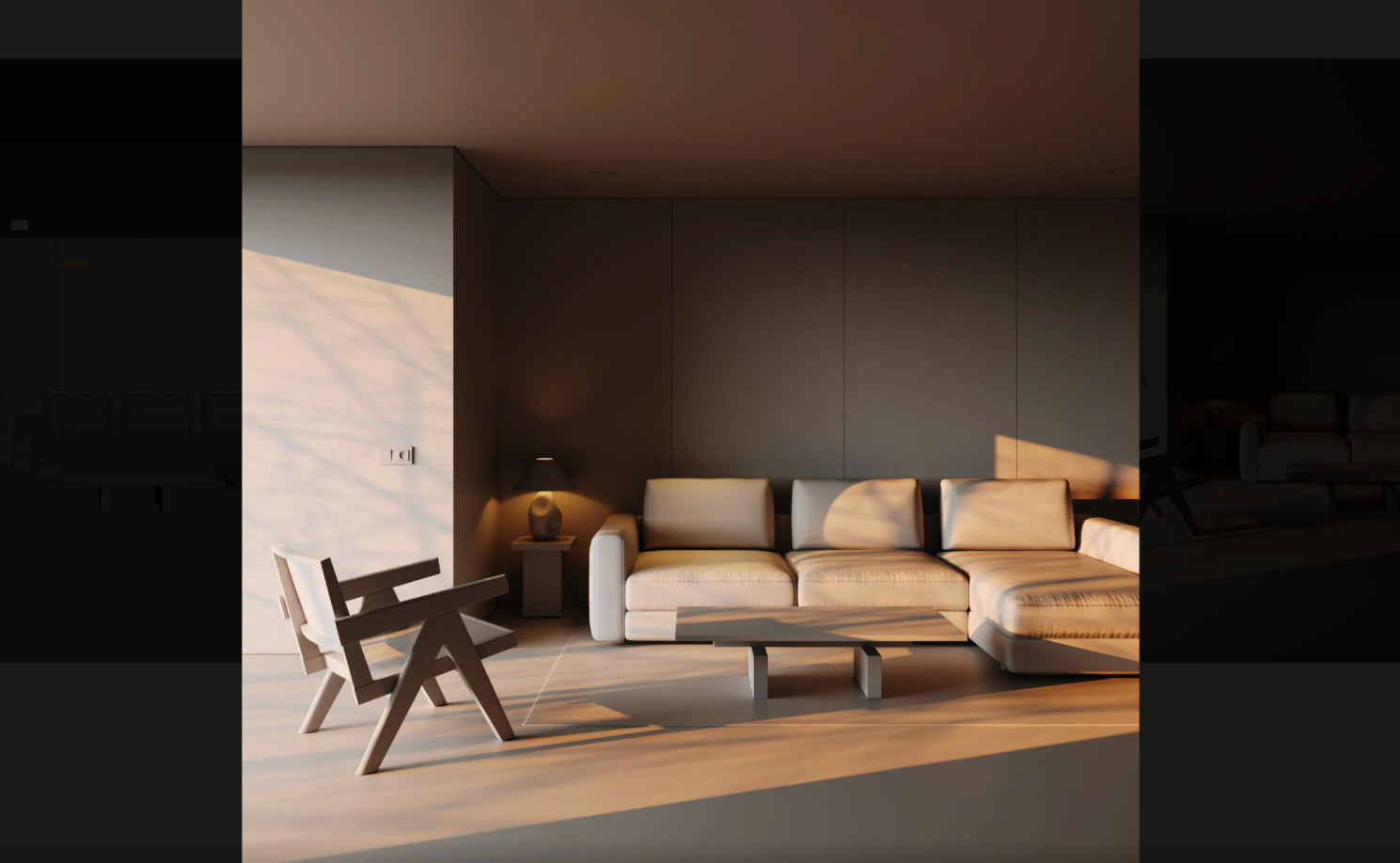
The warm minimalist design example from Veronika Vis shows that this type of design style tends to be more inviting and livable.
- It is also more forgiving. A room with oak, linen, wool, soft neutrals, and layered light can absorb everyday life better than a pristine white room with sharp contrast and glossy finishes. Minor imperfections often feel less disruptive. That matters if you have children, pets, frequent visitors, or simply a busy routine.
- Another advantage is longevity. Warm minimalism aligns closely with 2026 trends, and also overlaps with more timeless ideas: natural materials, low visual noise, quality over quantity, and comfort-driven design. So, it gives it a good chance of aging well.
Cons of warm minimalism
Still, warm minimalism is not automatically easy.
- One common problem is beige sameness. When every surface is soft, tonal, and quiet, the space can lose definition. Without enough contrast, a room may feel flat rather than refined.
- Another issue is accidental clutter. Because warm minimalism often relies on layering texture, styling objects, and softer transitions, some people drift from restraint into “tasteful accumulation.” The room may still be neutral, but it stops feeling minimalist.
- Cost can also be a factor. A good warm minimalist room often depends on material quality. Real wood, linen, wool, stone, limewash, and high-quality upholstery usually look much better than cheap imitations. You can do the style on a budget, but it becomes harder if every tactile finish feels synthetic.
In short, warm minimalism works best when it is edited with discipline. The room should feel soft, not vague.
You might read more helpful interior design principles to level up your warm minimalism house design.
5 Best Warm Minimalism Examples
If the above explanation is kind of too vague and abstract. Here, for your better understanding of warm minimalism, we've also collected 5 of the best real design examples:
1.Tribeca Loft by Ishka Designs

Airy Tribeca loft with low-profile furniture, warm neutrals, and soft minimalist styling from Ishka Designs
This Architectural Digest’s design of an Airy Tribeca Loft is one of the clearest examples of the warm minimalism style. The space uses airy volume, sculptural furniture, natural tones, and carefully chosen statement pieces to create warmth without clutter.
2. Connecticut Home by Stewart-Schafer
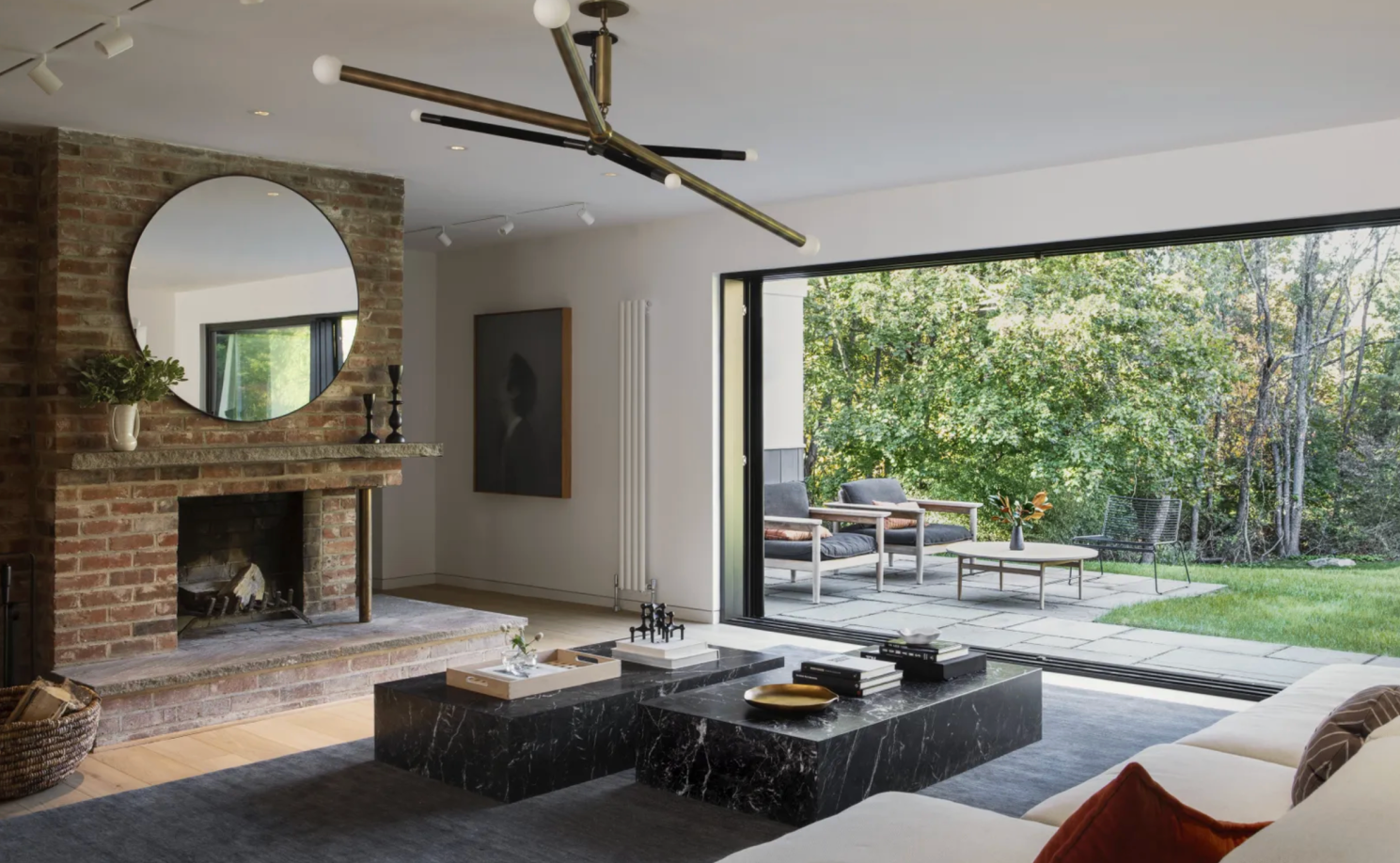
Warm minimalist Connecticut home with wood surfaces, marble, and calm layered neutrals, from Stewart Schafer
Livingetc’s Connecticut Home example shows how warm woods, moody marble, and a restrained palette can make a family home feel serene instead of stark. It is especially useful for readers who want warmth without giving up a modern architectural feel.
3. Federica P’s Modern Living Room
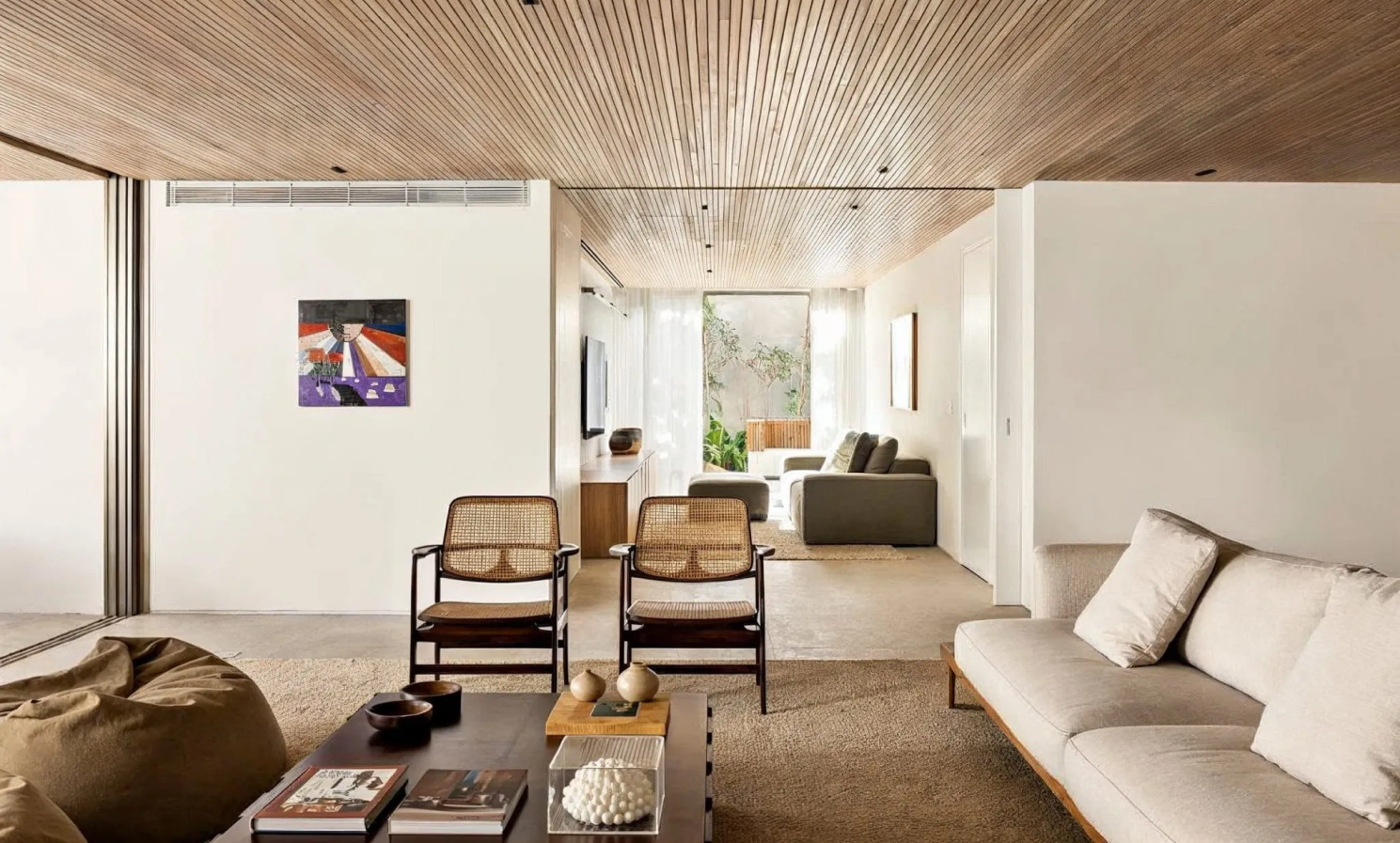
Modern warm minimalist living room featuring neutral-colored furniture and decor, including a low-profile sofa, simple armchairs, cozy throw pillows, and layered textures that create a calm, inviting atmosphere.
This living room design by Federica P embraces warm minimalism through its neutral-colored furniture and decor, including a low-profile sofa, simple armchairs, cozy throw pillows, and layered textures. At the same time, carefully selected artwork, decorative objects, and natural materials add depth and personality without disrupting the overall sense of calm.
The result is a living room that feels warm, sophisticated, and highly livable—proving that minimalism can be both visually interesting and comfortably inviting.
4.Vincent Van Duysen's Kitchen Design
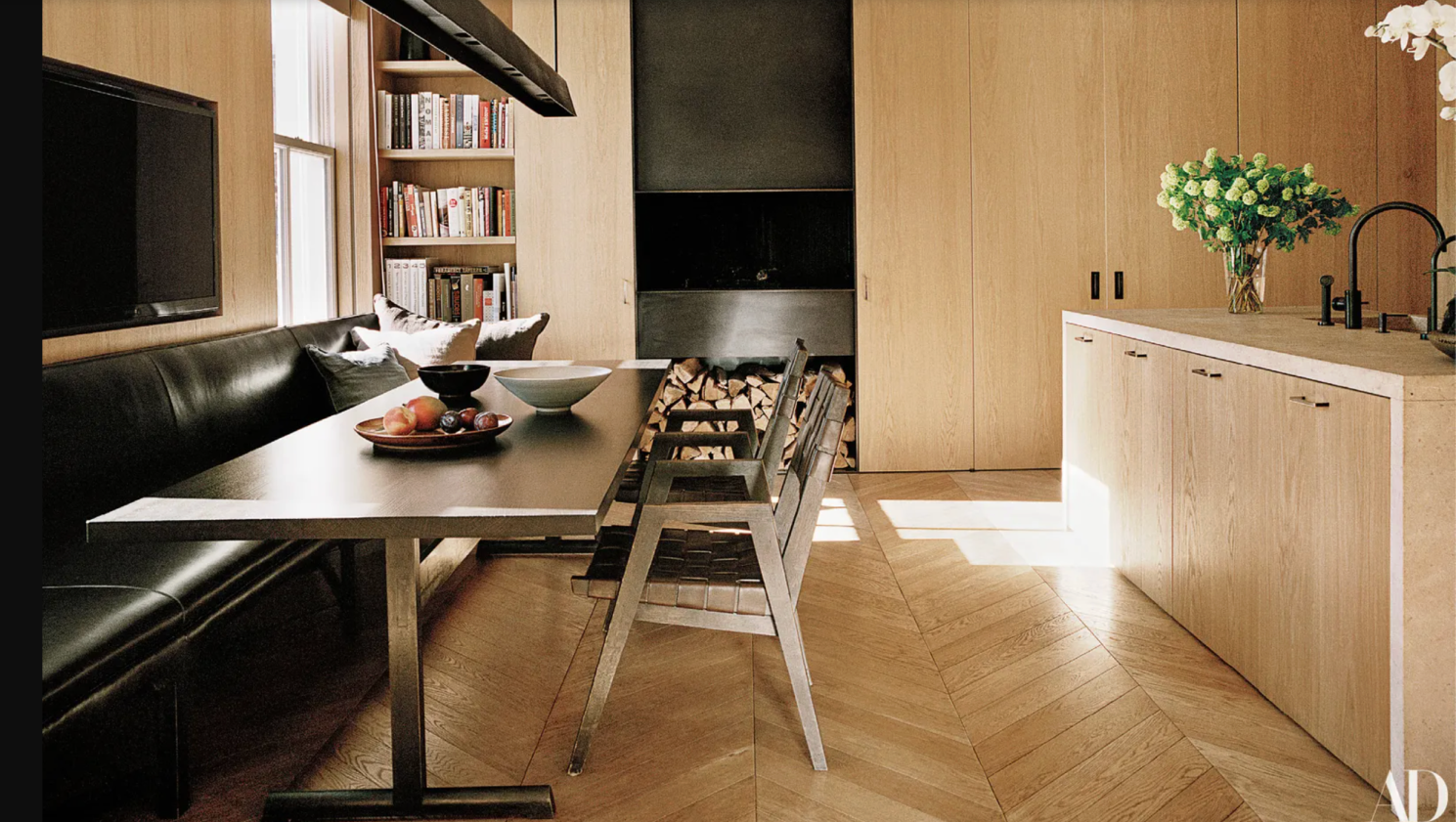
A nice warm minimalist kitchen design featuring soft natural light, oak cabinets and furniture, from Vincent Van Duysen
This warm minimalist kitchen by Vincent Van Duysen is a great example of how minimalism can feel both elegant and inviting. Featuring oak cabinetry and furniture, the design combines natural materials with a carefully balanced mix of daylight and artificial lighting. Together, these elements create a warm, livable atmosphere while maintaining the clean lines and simplicity that define warm minimalism.
5.James Nelson’s Residential Apartment
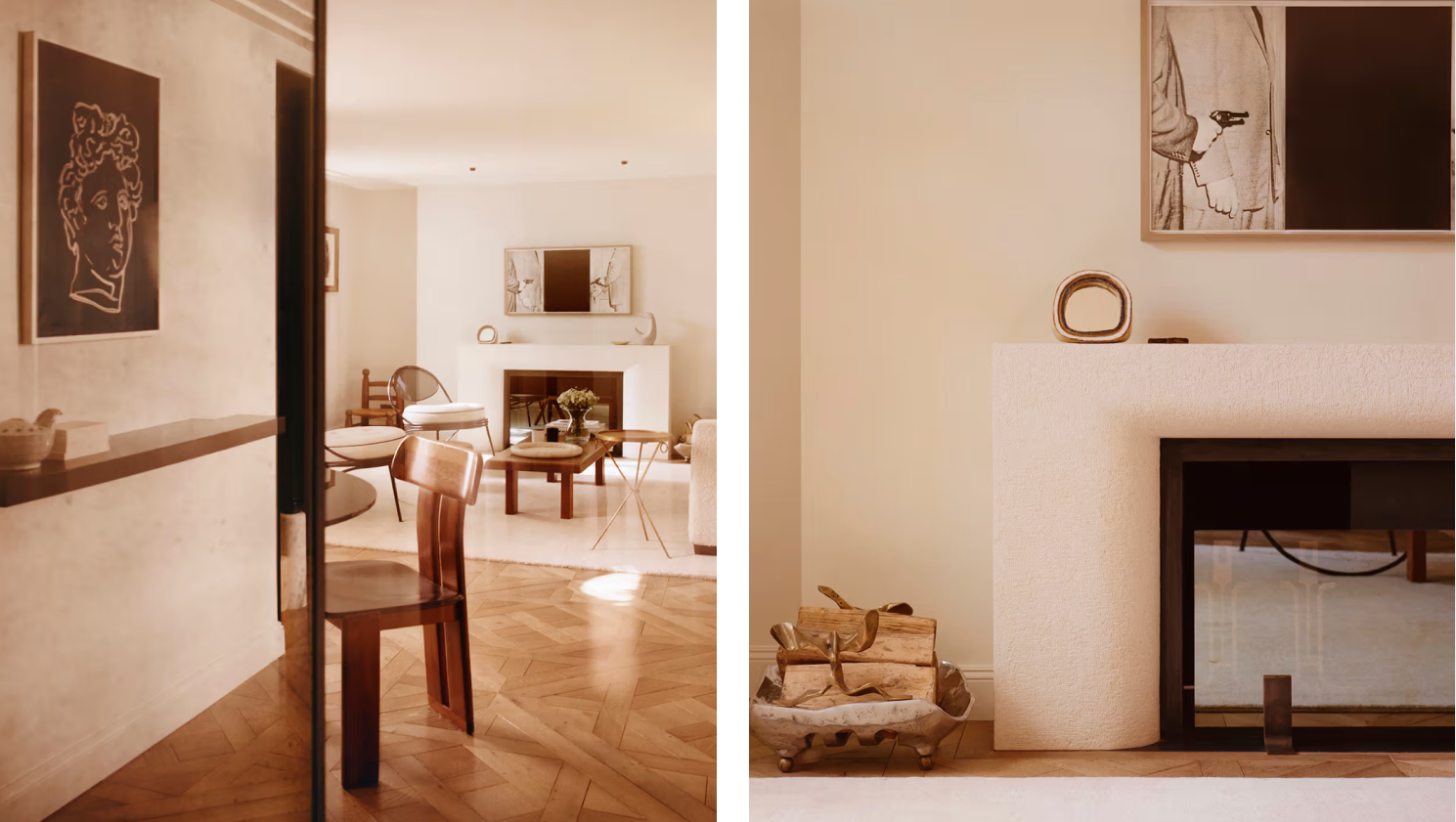
Minimalist living room with natural wood flooring and warm understated accents
James Nelson's Residential Apartment is also inspiring. It shows that a minimalist room does not need to be all white to feel calm. Natural wood flooring and select warm accents add life without breaking the minimalist mood.
And if these 5 examples are not so inspiring for you, you might check another 20 latest minimalist design ideas and examples.
What Is Cold Minimalism?
Cold Minimalism, sometimes referred to as "Purist Minimalism" or "Architectural Minimalism", represents the original and more disciplined interpretation of the traditional minimalist design in the architecture and home design industry. It is not about being "cold"; it is about stripping away distractions to celebrate pure light, proportion, geometry, and spatial clarity.
Its roots can be traced back to the bauhaus movement and modernist design principles, where the guiding philosophy was that form should follow function. Every element serves a purpose, and unnecessary decoration is intentionally stripped away to create a sense of order and simplicity.
Purist minimalism typically features a restrained color palette dominated by whites, grays, blacks, and other neutral tones. Materials such as glass, steel, chrome, polished concrete, and smooth stone are commonly used to reinforce the clean architectural aesthetic. Furniture tends to favor sharp lines, geometric forms, and precise proportions, while textures are kept subtle and consistent throughout the space.
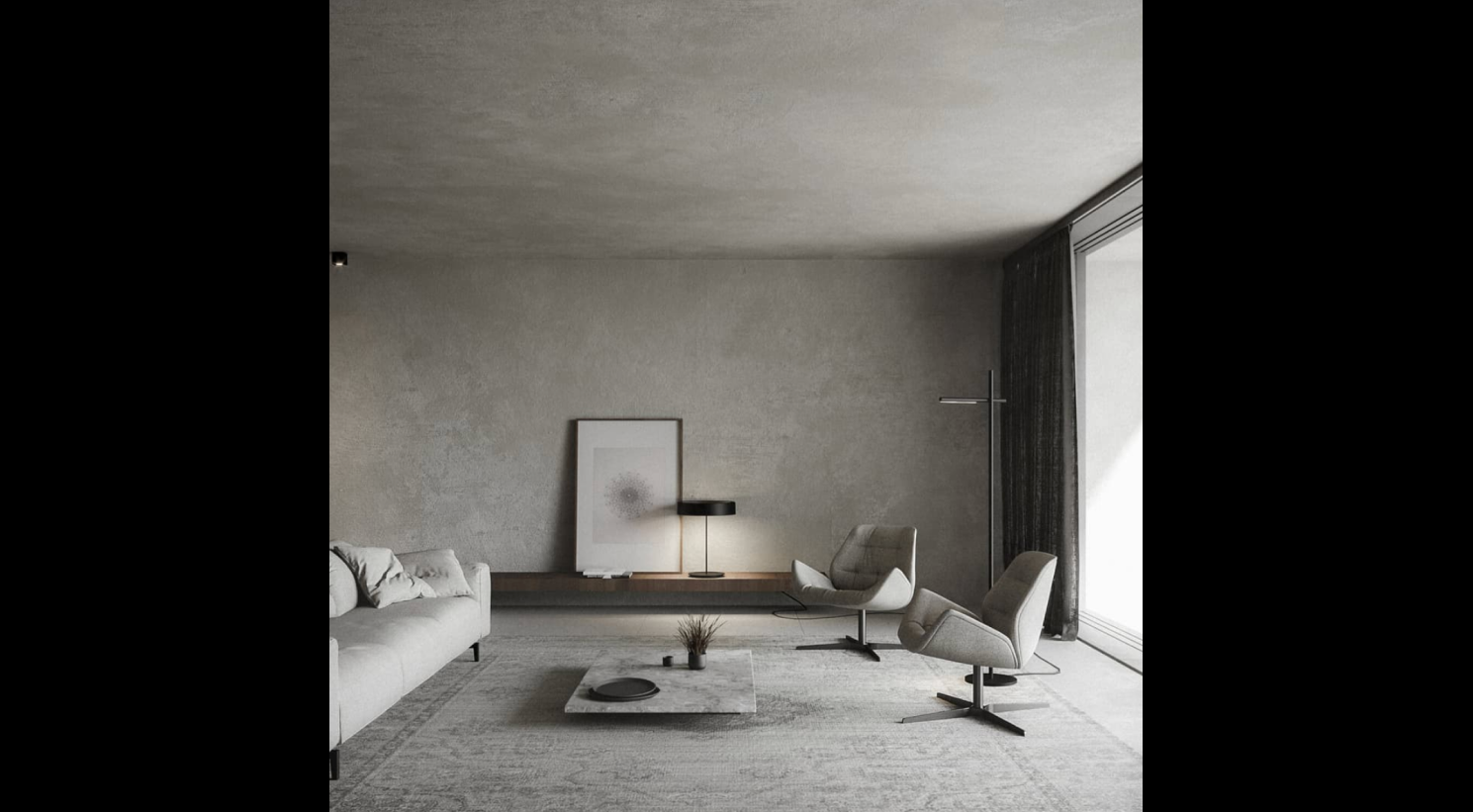
Cold minimalism uses a large amount of cool colors, like whites, grays and black, delivering a cold feeling somehow
This style often emphasizes discipline more than comfort. That does not make it bad. In fact, it can be incredibly beautiful. The purist minimalist room can make people feel more intelligent, architectural, spacious, and precise. It brings out structure. It highlights light and shadow. It lets form carry the visual weight.
This purist minimalism often relies on:
- White, gray, black, or cool neutral palettes
- Concrete, glass, chrome, lacquer, or polished stone
- Harder-edged silhouettes
- Sparse decoration
- Strong negative space
- Clean lines and visual symmetry
- A more restrained emotional tone
If warm minimalism says “stay a while,” cold minimalism says “breathe and focus”.
For some people, that is exactly the point. They do not want softness. They want clarity. They want a home that feels quiet in a rigorous way, not a cozy way. They may prefer rooms that look architectural, almost meditative, and free from sensory excess.
The important thing is to be honest about how this style feels in real life. This traditional minimalism can be beautiful, but it asks more from the homeowner. It rewards discipline and consistency. If the styling slips, the room can feel unfinished. If the palette is too severe, the room can feel sterile. If storage is not excellent, clutter becomes painfully visible.
Pros and Cons of Cold Minimalism
Though purist or cold minimalism is not so popular as before, it also has its place in interior design field. So, you are also supposed to have a good understanding of its pros and cons:
Pros of cold minimalism
- The biggest strength of purist minimalism is precision.
- It can make a room feel visually powerful with very little. A crisp monochrome palette, a sculptural chair, a single large artwork, and excellent light can create a high-end result that feels deliberate and refined. It is especially strong in homes with modern architecture, strong geometry, tall windows, concrete, steel, or gallery-like proportions.
- This purist minimalism can also make smaller spaces look cleaner and more expansive. When surfaces are clear, colors are limited, and transitions are simple, the room often feels visually larger.
- Another advantage is aesthetic discipline. For people who are overwhelmed by visual noise, purist minimalism can be deeply calming. The absence of decoration is not a lack. It is the feature.
Cons of cold minimalism
However, its tradeoffs are also quite real.
- The most obvious downside is emotional distance. Many people admire cold minimalist rooms more than they enjoy living in them. A space can look expensive and controlled while still feeling uninviting. This is especially true in darker climates, north-facing rooms, or homes with limited natural texture.
- It is also less forgiving. Fingerprints, visual clutter, poor storage habits, random color intrusions, and mismatched objects are all more noticeable. A warm minimalist room can absorb slight inconsistency. A purist minimalist room often cannot.
- It may also date faster if it leans too heavily on a specific era of ultra-clean luxury. When minimalism becomes performative rather than personal, it can feel more like a trend snapshot than a timeless home.
5 Best Cold Minimalism Examples
For now, let's also check some clear examples of purist minimalism examples:
1. Pure White Design by Z Design
Design any room, shop or space with DecAI in less 30 seconds! It's free!
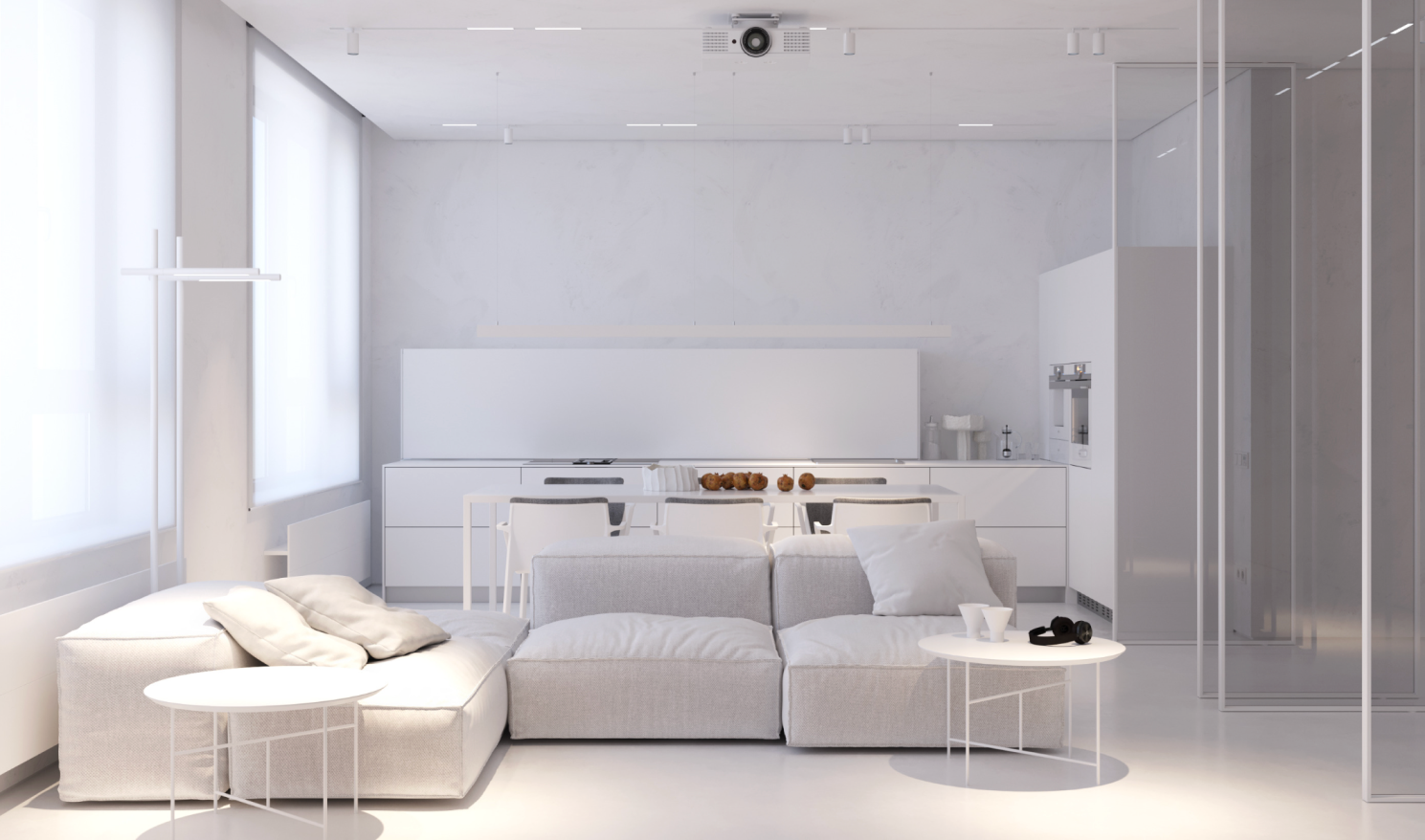
Flat, white and flawless white minimalism design is quite typical, an example from Z Design
Using pure flat and white colors in a whole room is kind of another way for cold minimalism design. This apartment design from Z Design has used pure white to create a clean, airy atmosphere, and only uses some black or brown decors to break the monotony and add subtle contrast, grounding the space with warmth without compromising its minimalist spirit.
2. Minimalist New York Apartment by Elizabeth Roberts
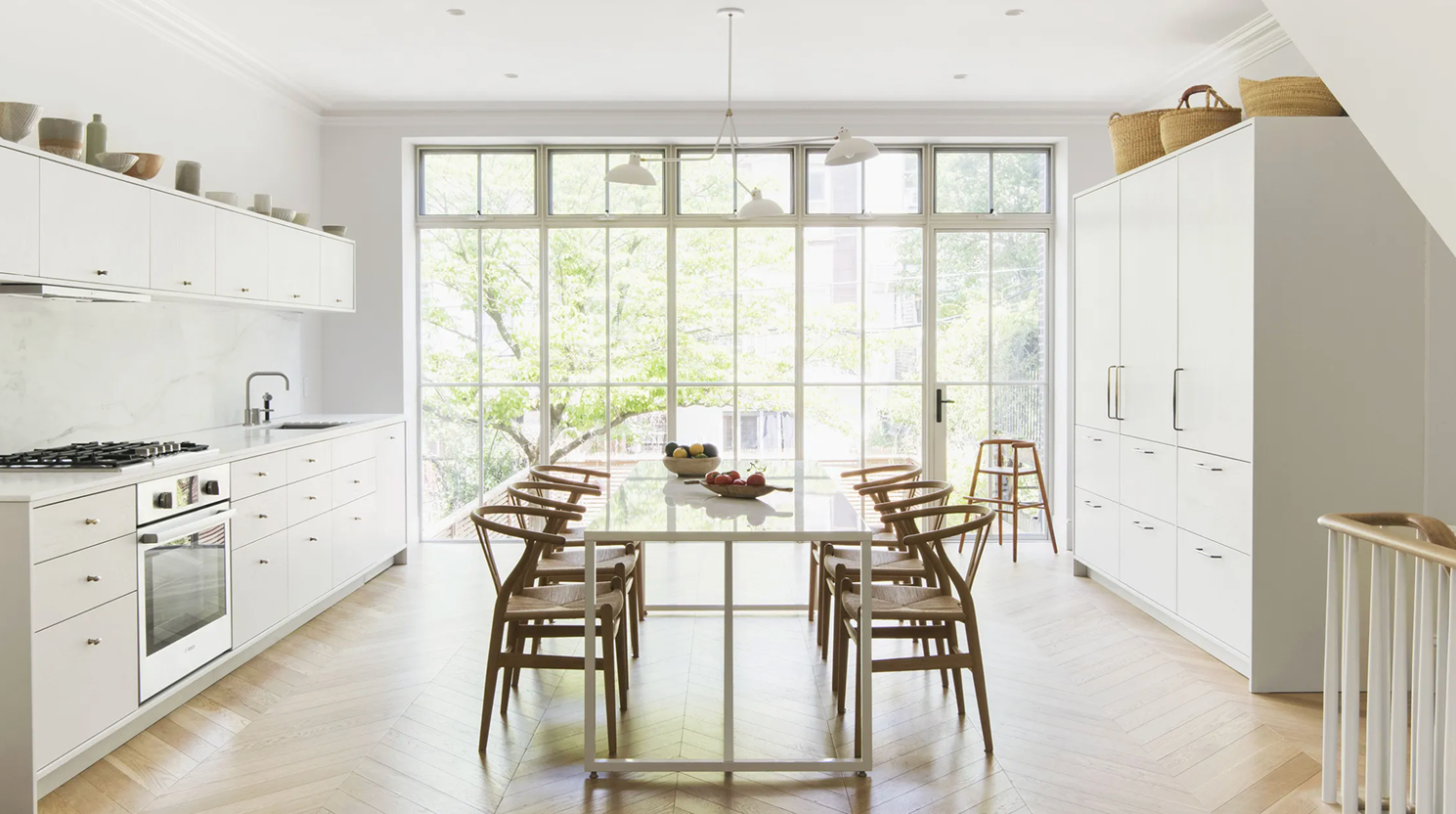
Clean minimalist New York apartment with pale palette, custom details, and crisp visual flow, a purist minimalism design example from Elizabeth Roberts
Elizabeth Roberts' New York Apartment design shows a highly controlled minimalist envelope with pale surfaces, custom detailing, and strong spatial clarity. It is less soft than warm minimalism and more exacting in tone.
3. Apartment in China by AD ARCHITECTURE
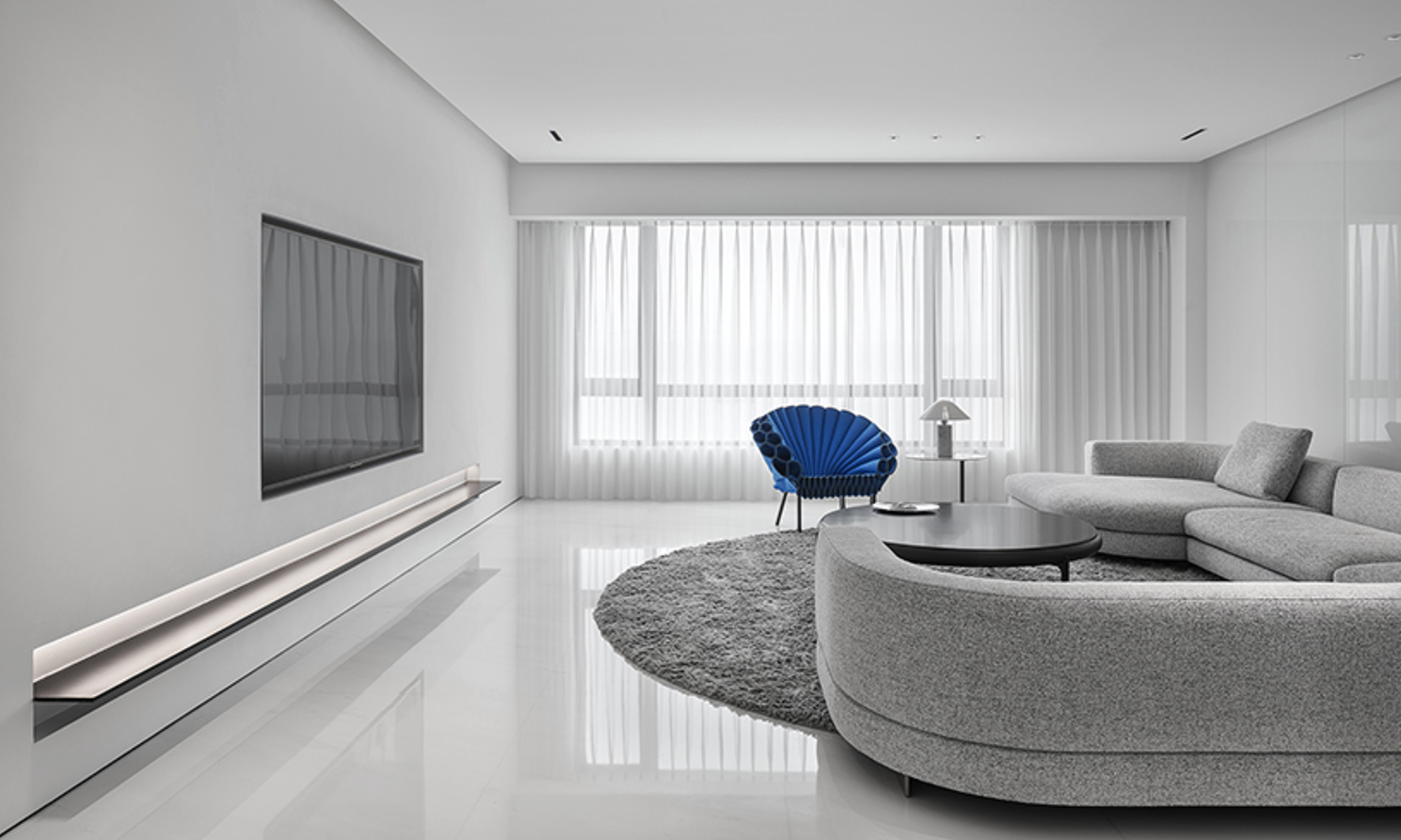
Minimal apartment interior in black and white with dramatic open space and restrained styling, another well-known tradtional minimalism design example from design firm AD ARCHITECTURE
This Apartment interior design example illustrates the black-and-white, subtraction-driven side of minimalism very well. The blankness is intentional and theatrical.
4. House in Kodaira by Airhouse
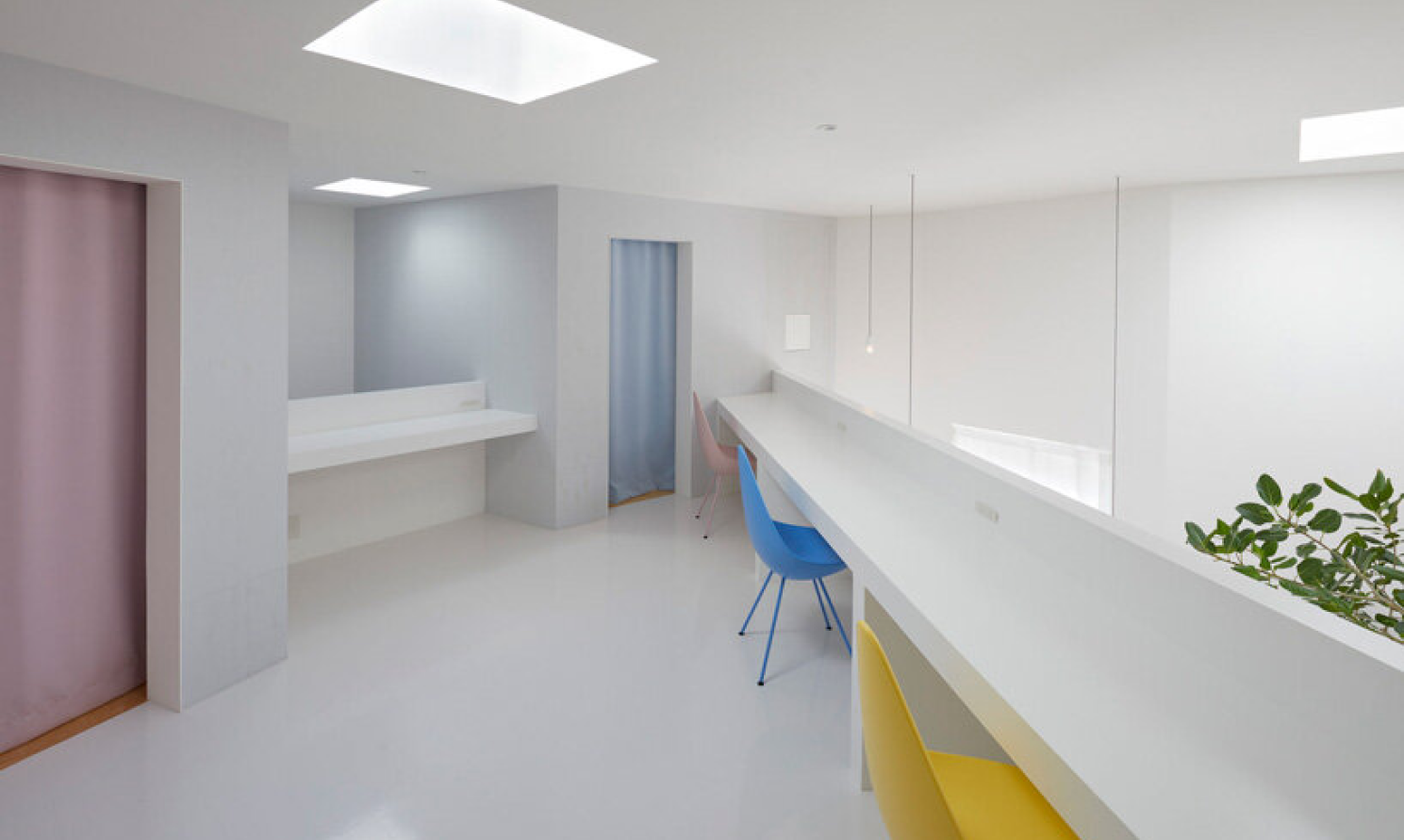
A purist minimalism design example from Japanese architecture studio
Purist Minimalism does not always mean sacrificing comfort or livability. This Japanese residence sets an good example of how purist minimalism can remain livable without sacrificing its purity. Instead of introducing bold accent colors, the design relies on subtle color variation, pale timber flooring, soft daylight, and carefully balanced proportions to create visual warmth.
The result remains restrained and monochromatic, yet feels calm and welcoming rather than sterile.
5. Gilles Mendel’s Black-and-White Manhattan High-Rise
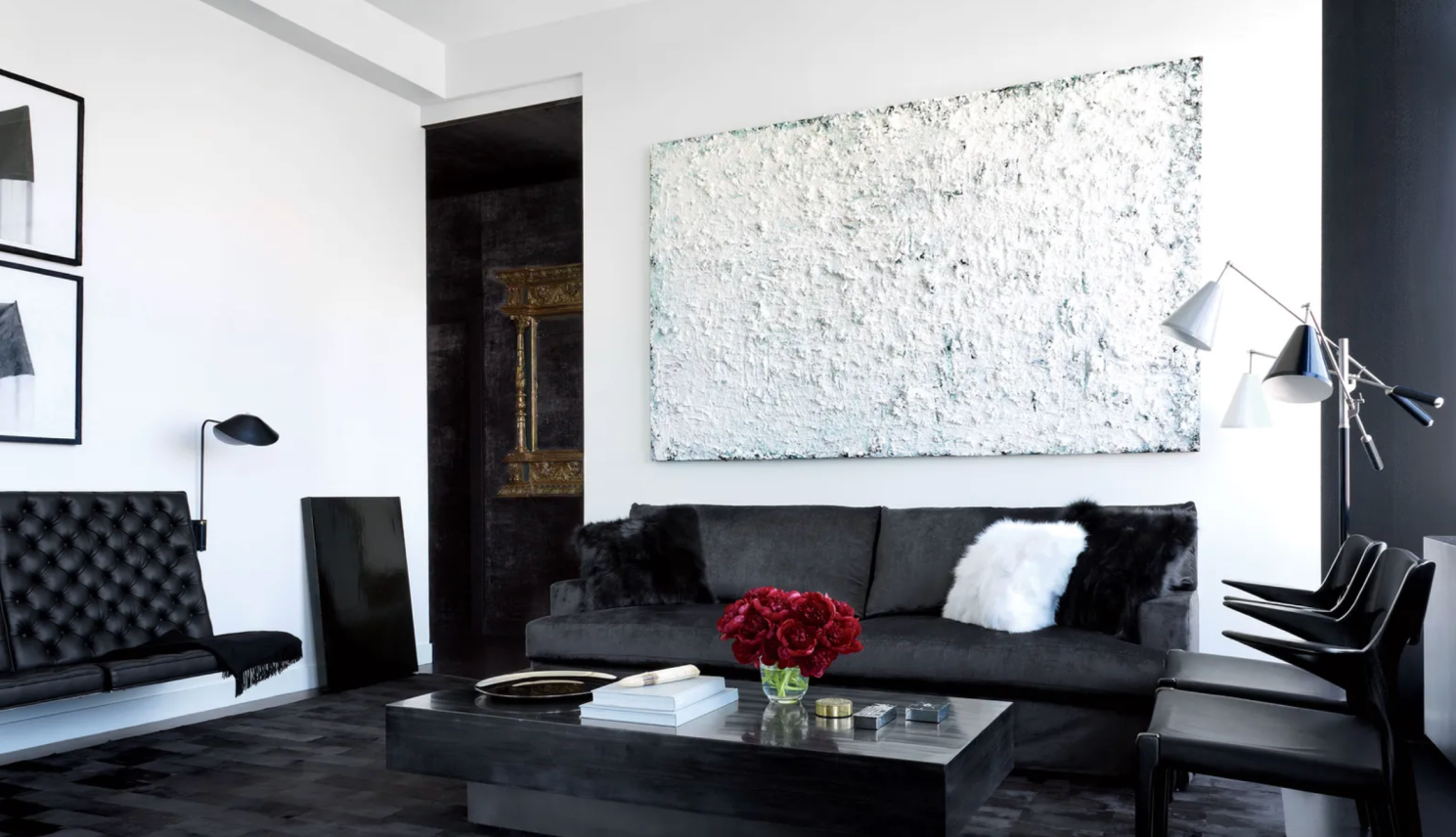
Black-and-white minimalist Manhattan apartment with sleek finishes and controlled contrast, design example from Architectural Digest
This black-and-white interior design is a quite typical example of cold minimalism with luxury polish. Its controlled palette and dramatic restraint show how the aesthetic can feel sleek and urban rather than warm and homey.
What’s the Key Difference Between Warm Minimalism and Cold Minimalism?
From what we've learned above, the simplest difference is this: warm minimalism prioritizes emotional comfort, while cold minimalism prioritizes visual control.
Both styles reduce clutter. Both favor intentionality. Both avoid unnecessary decoration. But they get to simplicity in very different ways.
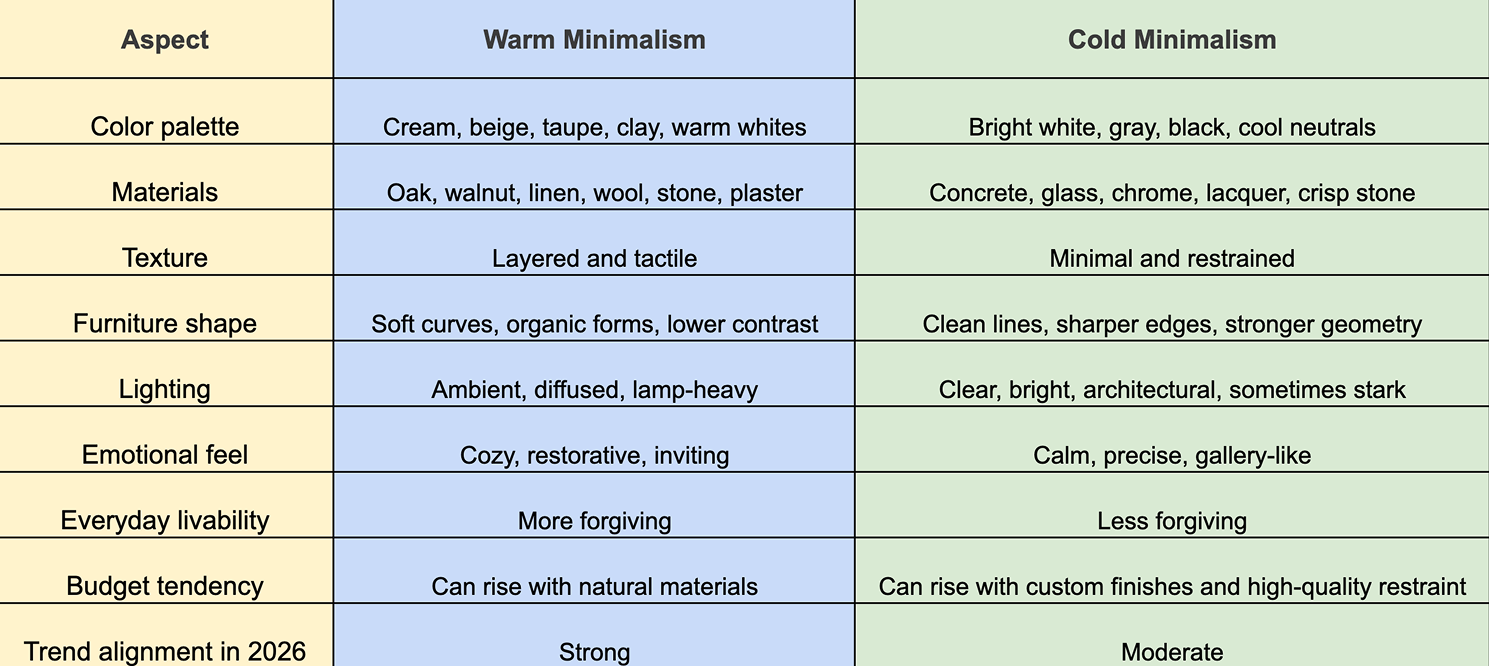
Warm minimalism is often the better fit when a home needs softness, texture, and a sense of ease. Purist minimalism works better when the architecture is already strong enough to carry the room and the homeowner enjoys a more edited, disciplined atmosphere.
A useful way to decide is to imagine the room at night. Under lamps, throws, and natural material texture, does it become more beautiful? That suggests warm minimalism. Under clean shadows, open space, and crisp contrast, does it become more beautiful? That suggests cold minimalism.
When to Choose Warm Minimalism?
Choose warm minimalism if you want your home to feel calm without feeling emotionally distant.
It is especially strong for family homes, apartments that need softness, rooms with limited natural charm, and anyone who wants a design style that looks current in 2026 without feeling trendy in a disposable way. It also tends to work better in living rooms, bedrooms, and open-plan spaces where comfort matters as much as appearance.
Warm minimalism is often the better choice if:
- You want a space that feels welcoming to guests
- You dislike stark white interiors
- You prefer natural woods, woven textures, linen, or plaster finishes
- You want a minimalist home that still feels personal
- You live in a climate or light condition where cool tones feel harsh
- You want something trend-aligned for 2026 but still broadly timeless
It is also the safer choice if you are decorating gradually. Because the palette is softer and more forgiving, you can build a warm minimalist room in stages without every temporary mismatch feeling like a visual emergency.
This is also where a tool like DecAI fits naturally. If you are torn between warm minimalism and colder minimalist styling, uploading a real room photo and testing both directions can save you from expensive guesswork. Since DecAI lets you generate redesigned room concepts quickly, it is practical for comparing how warm wood, softer neutrals, and textured layers would look in your own space before you start buying furniture or repainting walls.
When to Choose Cold Minimalism?
Choose cold minimalism if you are drawn to clarity more than coziness.
This style works best when the home already has strong architectural bones or when you want the room to feel like a retreat from visual overload. It can also work beautifully in city apartments, modern builds, loft-like spaces, and rooms where dramatic light or sharp geometry is part of the appeal.
Purist minimalism is often the better choice if:
- You love black, white, gray, and strict tonal control
- You want the space to feel clean, sharp, and architectural
- You enjoy editing belongings aggressively
- You have good hidden storage
- You are styling around concrete, steel, glass, or dramatic window lines
- You prefer serenity through emptiness rather than softness
It is also well suited to people who feel mentally clearer in highly controlled environments. For them, warmth can read as visual distraction rather than comfort.
Still, this purist minimalism demands honesty. If you know you collect objects, enjoy seasonal styling, love layered textiles, or rarely maintain perfectly clear surfaces, the style may feel stressful over time. Admiring it online is not the same as enjoying it on a Tuesday night.
Which One Is More Aligned With 2026 Trends?
Based on interviews with design experts, most believe warm minimalism is more aligned with 2026 interior design trends.
That conclusion is not just social-media intuition, and also actually matches the direction described in recent design coverage. Homes & Gardens identified warm minimalism as a defining 2026 decor trend in late 2025. Good Housekeeping, in a January 6, 2026 article, described traditional minimalism as giving way to a warmer version shaped by earthy tones, personalization, and layered texture. Interior trend reporting published on April 15, 2026 also emphasized warm minimalism, curves, and comfort-focused interiors.
That does not mean purist minimalism is “out.” It means pure starkness is less dominant.
The strongest 2026 signals include:
- Warmer neutrals replacing icy ones
- More tactile surfaces and natural materials
- Curved or softened silhouettes
- Layered lighting instead of one-note brightness
- Homes designed around emotional comfort and wellness
- Spaces that feel edited but not impersonal
In other words, the culture still wants simplicity, but it wants a kinder version of it.
This matters because design trends often move in emotional cycles. After years of hyper-clean, image-driven interiors, people are responding to spaces that feel quieter, softer, and more restorative. Warm minimalism delivers that without abandoning the appeal of clean living.
Cold minimalism still works, especially in luxury urban settings and architecture-led spaces. But if you are asking which style is moving with the strongest 2026 current, warm minimalism has the advantage.
FAQs
1.Is warm minimalism still minimalist?
Yes. It still follows minimalist principles like restraint, intentionality, functional editing, and low visual clutter. It simply uses warmer colors, softer textures, and more inviting materials.
2.Why does cold minimalism sometimes feel sterile?
It often relies on bright whites, cool neutrals, hard surfaces, and limited texture. Without enough warmth from materials, lighting, or proportion, the room can feel more like a gallery than a home.
3.Is warm minimalism more expensive than cold minimalism?
Not always, but it can be. Warm minimalism often looks best with real wood, linen, wool, stone, and quality upholstery. Cold minimalism can also be expensive if it depends on custom millwork, perfect detailing, and premium architectural finishes.
4.Can you mix warm minimalism and cold minimalism?
Yes, and many of the best homes do. You might use a clean minimalist layout with strong lines, then soften it with oak, textured textiles, and warmer lighting. That hybrid approach often feels the most timeless.
5.Which style is better for small apartments?
It depends on the feeling you want. Cold minimalism can make a small apartment look sharper and more open. Warm minimalism can make the same apartment feel more comfortable and emotionally livable. For most people, a lightly warmed-up minimalist approach works better long term.
6.Which style works better in dark rooms?
Warm minimalism usually does. Soft neutrals, warm woods, and layered light help a dark room feel cozy rather than flat. Cold minimalism can make a low-light room feel even more severe.
7.Which style has better resale appeal in 2026?
Warm minimalism generally has broader appeal right now because it feels modern but approachable. Cold minimalism can still impress buyers, but it tends to be more taste-specific.
8.How can I test both styles before redecorating or redesigning?
Start with moodboards, paint samples, and material swatches. If you want a faster visual check, decicated interior design tools like DecAI can help you compare warm and cold minimalist treatments on your actual room photo before making expensive decisions.
9.What colors work best for warm minimalism?
Warm white, ivory, sand, taupe, mushroom, camel, clay, and muted earthy shades are all strong options. The key is to avoid making everything exactly the same tone.
10.What materials make a minimalist space feel less cold?
Oak, walnut, linen, wool, boucle, matte ceramics, plaster, travertine, and softly textured stone all help a minimalist room feel more grounded and welcoming.
Final Thoughts
If you want the shortest answer to warm minimalism vs cold minimalism in 2026, here it is in one sentence: warm minimalism is the better default choice for most homes, but cold minimalism is still the right choice for some people.
Choose warm minimalism if you want calm with comfort, simplicity with texture, and a home that feels current without feeling clinical, and you can also choose purist minimalism if you want purity, precision, and a more architectural kind of peace.
The best decision is not the one that photographs best. It is the one that still feels right after the trend cycle moves on. We hope this ultimate comparison guide would help you have a better understanding of these two design styles and create much better interior design for your home, shop or project.
--------------------------------------
If you believe that any material on this site infringes your intellectual property rights, please contact the author at decaiwebteam@outlook.com with details of your claim.
Redesign any home interior, exterior & garden in seconds
Share this Post:
'%3e%3cpath%20d='M17.9995%2035.999C17.0317%2035.999%2016.0619%2035.9219%2015.1161%2035.7696C10.9414%2035.0973%207.11524%2032.9513%204.34408%2029.7273C1.54287%2026.4683%200%2022.3035%200%2017.9995C0%208.07403%208.07503%200%2017.9995%200C27.924%200%2036%208.07503%2036%2017.9995C36%2022.3696%2034.4151%2026.5835%2031.5357%2029.8646C28.6844%2033.1156%2024.7671%2035.2326%2020.5052%2035.8267C19.6806%2035.9419%2018.8371%2036%2017.9995%2036V35.999ZM17.9995%201.20123C8.73726%201.20123%201.20224%208.73626%201.20224%2017.9985C1.20224%2026.2919%207.13427%2033.2659%2015.3075%2034.5814C16.9546%2034.8469%2018.6808%2034.8659%2020.3389%2034.6345C28.5812%2033.4863%2034.7968%2026.334%2034.7968%2017.9985C34.7968%208.73626%2027.2617%201.20123%2017.9985%201.20123H17.9995Z'%20fill='%23FF0209'/%3e%3cpath%20d='M29.0557%2014.3621C28.9184%2013.0276%2028.6208%2011.5539%2027.5268%2010.7784C26.6782%2010.1773%2025.5642%2010.1553%2024.5242%2010.1563C22.3251%2010.1583%2020.126%2010.1603%2017.9269%2010.1623C15.812%2010.1643%2013.6971%2010.1663%2011.5821%2010.1683C10.6985%2010.1683%209.8399%2010.1002%209.01937%2010.4819C8.31406%2010.8105%207.76303%2011.4347%207.43241%2012.1289C6.97156%2013.0957%206.87438%2014.1898%206.81927%2015.2588C6.71708%2017.2044%206.7281%2019.156%206.85133%2021.0996C6.9405%2022.5193%207.16792%2024.0872%208.26496%2024.9919C9.23777%2025.7934%2010.6103%2025.8325%2011.8707%2025.8335C15.8741%2025.8365%2019.8776%2025.8395%2023.881%2025.8435C24.394%2025.8435%2024.93%2025.8345%2025.453%2025.7774C26.4829%2025.6661%2027.4637%2025.3716%2028.1249%2024.6092C28.7922%2023.8407%2028.9635%2022.7698%2029.0657%2021.7569C29.3121%2019.3003%2029.3091%2016.8177%2029.0557%2014.3621ZM15.6116%2021.4453V14.5545L21.5797%2017.9999L15.6116%2021.4453Z'%20fill='%23FF0209'/%3e%3c/g%3e%3cdefs%3e%3cclipPath%20id='clip0_13816_41422'%3e%3crect%20width='36'%20height='36'%20fill='white'/%3e%3c/clipPath%3e%3c/defs%3e%3c/svg%3e)
'%3e%3cpath%20d='M17.9995%2036C17.0327%2036%2016.0619%2035.9229%2015.1161%2035.7696C10.9414%2035.0973%207.11524%2032.9513%204.34408%2029.7273C1.54287%2026.4683%200%2022.3035%200%2017.9995C0%208.07403%208.07503%200%2017.9995%200C27.924%200%2036%208.07503%2036%2017.9995C36%2022.3696%2034.4151%2026.5835%2031.5357%2029.8646C28.6844%2033.1156%2024.7671%2035.2326%2020.5052%2035.8267C19.6806%2035.9419%2018.8371%2036%2017.9995%2036ZM17.9995%201.20224C8.73726%201.20224%201.20224%208.73726%201.20224%2017.9995C1.20224%2026.2919%207.13427%2033.2669%2015.3075%2034.5824C16.9556%2034.8479%2018.6808%2034.8669%2020.3389%2034.6355C28.5812%2033.4873%2034.7968%2026.335%2034.7968%2017.9995C34.7968%208.73726%2027.2617%201.20224%2017.9985%201.20224H17.9995Z'%20fill='url(%23paint0_linear_13816_41436)'/%3e%3cpath%20d='M23.4463%207.55469H12.549C9.53841%207.55469%207.08984%2010.0032%207.08984%2013.0138V22.9834C7.08984%2025.994%209.53841%2028.4426%2012.549%2028.4426H23.4463C26.4569%2028.4426%2028.9054%2025.994%2028.9054%2022.9834V13.0138C28.9054%2010.0032%2026.4569%207.55469%2023.4463%207.55469ZM9.01543%2013.0138C9.01543%2011.0652%2010.6004%209.48027%2012.549%209.48027H23.4463C25.3949%209.48027%2026.9799%2011.0652%2026.9799%2013.0138V22.9834C26.9799%2024.932%2025.3949%2026.517%2023.4463%2026.517H12.549C10.6004%2026.517%209.01543%2024.932%209.01543%2022.9834V13.0138Z'%20fill='url(%23paint1_linear_13816_41436)'/%3e%3cpath%20d='M17.9964%2023.0749C20.7966%2023.0749%2023.0749%2020.7966%2023.0749%2017.9964C23.0749%2015.1962%2020.7966%2012.918%2017.9964%2012.918C15.1962%2012.918%2012.918%2015.1962%2012.918%2017.9964C12.918%2020.7966%2015.1962%2023.0749%2017.9964%2023.0749ZM17.9964%2014.8446C19.7346%2014.8446%2021.1483%2016.2582%2021.1483%2017.9964C21.1483%2019.7347%2019.7346%2021.1483%2017.9964%2021.1483C16.2582%2021.1483%2014.8446%2019.7347%2014.8446%2017.9964C14.8446%2016.2582%2016.2582%2014.8446%2017.9964%2014.8446Z'%20fill='url(%23paint2_linear_13816_41436)'/%3e%3cpath%20d='M23.5482%2013.741C24.3026%2013.741%2024.9168%2013.1269%2024.9168%2012.3725C24.9168%2011.618%2024.3026%2011.0039%2023.5482%2011.0039C22.7938%2011.0039%2022.1797%2011.618%2022.1797%2012.3725C22.1797%2013.1269%2022.7938%2013.741%2023.5482%2013.741Z'%20fill='url(%23paint3_linear_13816_41436)'/%3e%3c/g%3e%3cdefs%3e%3clinearGradient%20id='paint0_linear_13816_41436'%20x1='5.27482'%20y1='30.7312'%20x2='30.7242'%20y2='5.28083'%20gradientUnits='userSpaceOnUse'%3e%3cstop%20stop-color='%23FAAD4F'/%3e%3cstop%20offset='0.35'%20stop-color='%23DD2A7B'/%3e%3cstop%20offset='0.62'%20stop-color='%239537B0'/%3e%3cstop%20offset='1'%20stop-color='%23515BD4'/%3e%3c/linearGradient%3e%3clinearGradient%20id='paint1_linear_13816_41436'%20x1='8.92225'%20y1='27.074'%20x2='27.073'%20y2='8.92324'%20gradientUnits='userSpaceOnUse'%3e%3cstop%20stop-color='%23FAAD4F'/%3e%3cstop%20offset='0.35'%20stop-color='%23DD2A7B'/%3e%3cstop%20offset='0.62'%20stop-color='%239537B0'/%3e%3cstop%20offset='1'%20stop-color='%23515BD4'/%3e%3c/linearGradient%3e%3clinearGradient%20id='paint2_linear_13816_41436'%20x1='14.4077'%20y1='21.5861'%20x2='21.5861'%20y2='14.4077'%20gradientUnits='userSpaceOnUse'%3e%3cstop%20stop-color='%23FAAD4F'/%3e%3cstop%20offset='0.35'%20stop-color='%23DD2A7B'/%3e%3cstop%20offset='0.62'%20stop-color='%239537B0'/%3e%3cstop%20offset='1'%20stop-color='%23515BD4'/%3e%3c/linearGradient%3e%3clinearGradient%20id='paint3_linear_13816_41436'%20x1='22.5814'%20y1='13.3393'%20x2='24.515'%20y2='11.4057'%20gradientUnits='userSpaceOnUse'%3e%3cstop%20stop-color='%23FAAD4F'/%3e%3cstop%20offset='0.35'%20stop-color='%23DD2A7B'/%3e%3cstop%20offset='0.62'%20stop-color='%239537B0'/%3e%3cstop%20offset='1'%20stop-color='%23515BD4'/%3e%3c/linearGradient%3e%3cclipPath%20id='clip0_13816_41436'%3e%3crect%20width='36'%20height='36'%20fill='white'/%3e%3c/clipPath%3e%3c/defs%3e%3c/svg%3e)
'%3e%3cpath%20d='M17.9995%2035.999C17.0317%2035.999%2016.0619%2035.9219%2015.1161%2035.7696C10.9414%2035.0973%207.11524%2032.9513%204.34408%2029.7273C1.54287%2026.4683%200%2022.3035%200%2017.9995C0%208.07403%208.07502%200%2017.9995%200C27.924%200%2036%208.07503%2036%2017.9995C36%2022.3696%2034.415%2026.5835%2031.5357%2029.8646C28.6844%2033.1156%2024.7671%2035.2326%2020.5052%2035.8267C19.6806%2035.9419%2018.8371%2036%2017.9995%2036V35.999ZM17.9995%201.20123C8.73725%201.20123%201.20224%208.73626%201.20224%2017.9985C1.20224%2026.2919%207.13427%2033.2659%2015.3075%2034.5814C16.9545%2034.8469%2018.6808%2034.8659%2020.3388%2034.6345C28.5812%2033.4863%2034.7968%2026.334%2034.7968%2017.9985C34.7968%208.73626%2027.2617%201.20123%2017.9985%201.20123H17.9995Z'%20fill='%23007EBB'/%3e%3cpath%20d='M9.06639%2012.124C8.60253%2011.6932%208.37109%2011.1602%208.37109%2010.526C8.37109%209.89184%208.60253%209.33481%209.06639%208.90401C9.53026%208.47321%2010.1274%208.25781%2010.8587%208.25781C11.5901%208.25781%2012.1642%208.47321%2012.627%208.90401C13.0909%209.33481%2013.3223%209.87581%2013.3223%2010.526C13.3223%2011.1762%2013.0909%2011.6932%2012.627%2012.124C12.1631%2012.5548%2011.5741%2012.7702%2010.8587%2012.7702C10.1434%2012.7702%209.52926%2012.5548%209.06639%2012.124ZM12.9326%2014.5946V27.7962H8.76182V14.5946H12.9326Z'%20fill='%23007EBB'/%3e%3cpath%20d='M26.8196%2015.9006C27.7283%2016.8875%2028.1832%2018.243%2028.1832%2019.9682V27.5663H24.2208V20.5042C24.2208%2019.6346%2023.9954%2018.9583%2023.5445%2018.4764C23.0937%2017.9945%2022.4876%2017.7541%2021.7262%2017.7541C20.9647%2017.7541%2020.3586%2017.9955%2019.9078%2018.4764C19.4569%2018.9583%2019.2315%2019.6346%2019.2315%2020.5042V27.5663H15.2461V14.5611H19.2315V16.2863C19.6353%2015.7113%2020.1793%2015.2574%2020.8636%2014.9228C21.5468%2014.5892%2022.3163%2014.4219%2023.1708%2014.4219C24.6937%2014.4219%2025.9099%2014.9158%2026.8186%2015.9016L26.8196%2015.9006Z'%20fill='%23007EBB'/%3e%3c/g%3e%3cdefs%3e%3cclipPath%20id='clip0_13816_41425'%3e%3crect%20width='36'%20height='36'%20fill='white'/%3e%3c/clipPath%3e%3c/defs%3e%3c/svg%3e)
'%3e%3cpath%20d='M18%2035.999C17.0322%2035.999%2016.0623%2035.9219%2015.1166%2035.7696C10.9417%2035.0973%207.11544%2032.9513%204.3442%2029.7273C1.54291%2026.4683%200%2022.3035%200%2017.9995C0%208.07403%208.07526%200%2018%200C27.9248%200%2036%208.07503%2036%2017.9995C36%2022.3696%2034.415%2026.5835%2031.5356%2029.8646C28.6842%2033.1156%2024.7668%2035.2326%2020.5047%2035.8267C19.6802%2035.9419%2018.8366%2036%2017.999%2036L18%2035.999ZM18%201.20123C8.73751%201.20123%201.20227%208.73626%201.20227%2017.9985C1.20227%2026.2919%207.13448%2033.2659%2015.3079%2034.5814C16.955%2034.8469%2018.6813%2034.8659%2020.3394%2034.6345C28.582%2033.4863%2034.7977%2026.334%2034.7977%2017.9985C34.7977%208.73626%2027.2625%201.20123%2018%201.20123Z'%20fill='black'/%3e%3cpath%20d='M7%208.09163H13.5067L19.521%2016.1816L27.0073%207.90625L28.786%207.93715L20.4078%2017.3454L29%2028.901H22.4959L16.8193%2021.362L9.8847%2029.0864H8.13428L15.9583%2020.26L7%208.09163ZM12.8931%209.28633H9.45676L23.2048%2027.6754H26.5793L12.8931%209.28633Z'%20fill='black'/%3e%3c/g%3e%3cdefs%3e%3cclipPath%20id='clip0_13886_43848'%3e%3crect%20width='36'%20height='36'%20fill='white'/%3e%3c/clipPath%3e%3c/defs%3e%3c/svg%3e)
'%3e%3cpath%20d='M17.9995%2035.999C17.0327%2035.999%2016.0619%2035.9219%2015.1161%2035.7686C10.9414%2035.0963%207.11524%2032.9503%204.34408%2029.7263C1.54287%2026.4673%200%2022.3025%200%2017.9995C0%208.07403%208.07503%200%2017.9995%200C27.924%200%2036%208.07503%2036%2017.9995C36%2022.3696%2034.415%2026.5835%2031.5357%2029.8646C28.6844%2033.1156%2024.7671%2035.2326%2020.5052%2035.8267C19.6806%2035.9419%2018.8371%2036%2017.9995%2036V35.999ZM17.9995%201.20123C8.73726%201.20123%201.20224%208.73626%201.20224%2017.9985C1.20224%2026.2909%207.13428%2033.2659%2015.3075%2034.5814C16.9556%2034.8469%2018.6808%2034.8659%2020.3389%2034.6345C28.5812%2033.4863%2034.7968%2026.334%2034.7968%2017.9985C34.7968%208.73626%2027.2617%201.20123%2017.9985%201.20123H17.9995Z'%20fill='%231877F7'/%3e%3cpath%20d='M20.5337%2014.9635V18.7536H25.2225L24.4801%2023.8601H20.5337V35.624C19.7423%2035.7342%2018.9328%2035.7913%2018.1112%2035.7913C17.1625%2035.7913%2016.2317%2035.7151%2015.324%2035.5689V23.8601H11V18.7536H15.324V14.1169C15.324%2011.2396%2017.6564%208.90625%2020.5347%208.90625V8.90926C20.5428%208.90926%2020.5508%208.90625%2020.5588%208.90625H25.2235V13.3215H22.1758C21.2691%2013.3215%2020.5347%2014.0558%2020.5347%2014.9625L20.5337%2014.9635Z'%20fill='%231877F7'/%3e%3c/g%3e%3cdefs%3e%3cclipPath%20id='clip0_13816_41433'%3e%3crect%20width='36'%20height='36'%20fill='white'/%3e%3c/clipPath%3e%3c/defs%3e%3c/svg%3e)
'%3e%3cpath%20d='M17.9995%2035.999C17.0327%2035.999%2016.0619%2035.9219%2015.1161%2035.7686C10.9414%2035.0963%207.11524%2032.9503%204.34408%2029.7263C1.54287%2026.4673%200%2022.3025%200%2017.9995C0%208.07403%208.07503%200%2017.9995%200C27.924%200%2036%208.07503%2036%2017.9995C36%2022.3696%2034.415%2026.5835%2031.5357%2029.8646C28.6844%2033.1156%2024.7671%2035.2326%2020.5052%2035.8267C19.6806%2035.9419%2018.8371%2036%2017.9995%2036V35.999ZM17.9995%201.20123C8.73726%201.20123%201.20224%208.73626%201.20224%2017.9985C1.20224%2026.2909%207.13428%2033.2659%2015.3075%2034.5814C16.9556%2034.8469%2018.6808%2034.8659%2020.3389%2034.6345C28.5812%2033.4863%2034.7968%2026.334%2034.7968%2017.9985C34.7968%208.73626%2027.2617%201.20123%2017.9985%201.20123H17.9995Z'%20fill='%232A91F7'/%3e%3cg%20clip-path='url(%23clip1_13816_41442)'%3e%3cpath%20d='M16.3345%2018.834C16.6924%2019.3124%2017.149%2019.7083%2017.6733%2019.9947C18.1976%2020.2812%2018.7774%2020.4516%2019.3734%2020.4942C19.9693%2020.5369%2020.5675%2020.4509%2021.1273%2020.2421C21.6871%2020.0333%2022.1954%2019.7065%2022.6178%2019.284L25.1178%2016.784C25.8768%2015.9981%2026.2968%2014.9456%2026.2873%2013.8531C26.2778%2012.7606%2025.8396%2011.7156%2025.0671%2010.943C24.2946%2010.1705%2023.2495%209.73231%2022.157%209.72281C21.0645%209.71332%2020.012%2010.1333%2019.2262%2010.8923L17.7928%2012.3173M19.6678%2017.1673C19.3099%2016.6889%2018.8533%2016.293%2018.329%2016.0065C17.8047%2015.7201%2017.2249%2015.5497%2016.6289%2015.507C16.033%2015.4643%2015.4348%2015.5503%2014.875%2015.7592C14.3152%2015.968%2013.8069%2016.2947%2013.3845%2016.7173L10.8845%2019.2173C10.1255%2020.0031%209.70551%2021.0557%209.715%2022.1481C9.72449%2023.2406%2010.1627%2024.2857%2010.9352%2025.0582C11.7078%2025.8307%2012.7528%2026.269%2013.8453%2026.2784C14.9378%2026.2879%2015.9903%2025.868%2016.7761%2025.109L18.2011%2023.684'%20stroke='%232A91F7'%20stroke-width='1.66667'%20stroke-linecap='round'%20stroke-linejoin='round'/%3e%3c/g%3e%3c/g%3e%3cdefs%3e%3cclipPath%20id='clip0_13816_41442'%3e%3crect%20width='36'%20height='36'%20fill='white'/%3e%3c/clipPath%3e%3cclipPath%20id='clip1_13816_41442'%3e%3crect%20width='20'%20height='20'%20fill='white'%20transform='translate(8%208)'/%3e%3c/clipPath%3e%3c/defs%3e%3c/svg%3e)
Redesign any home interior, exterior & garden in seconds