
20 Must-Read Interior Design Blogs for Latest Design Inspiration, Trends & Free Resources

Whether you're redesigning your first apartment, decorating your dream home, or working professionally in the interior design industry, following the right interior design blogs can be a great source for you to dramatically improve your creativity, design skills, and workflow.
And in 2026, interior design blogs are no longer just collections of beautiful room photos. The best blogs now combine inspiration with practical decorating tips, layout strategies, trend analysis, renovation ideas, AI-powered workflows, and even professional design insights.
In this guide, we’ve gathered 20 of the best interior design blogs for designers at all skills levels in 2026. From minimalist interiors and small-space inspiration to luxury architecture and AI-powered design workflows, these blogs will help you stay inspired, informed, and creatively ahead.
Plus, while working on your home interior design project, also try our free AI home interior design tool to quickly land your latest ideas with just clicks.
Design any room, shop or space with DecAI in less 30 seconds! It's free!
Why Interior Design Blogs Still Matter even in 2026
Even with the rise of AI tools, TikTok, and Pinterest-style inspiration, interior design blogs still remain valuable because they provide deeper learning, practical guidance, real-world insights, and structured design knowledge that short-form content often cannot offer.
Here are the key reasons and benefits:
- Provide deeper and more practical design knowledge
- Help readers stay updated with the latest design trends and AI tools
- Offer structured tutorials and step-by-step guides
- Share real professional experiences and case studies
- Combine inspiration with practical problem-solving
- Help users discover useful tools, resources, and workflows
- Support both beginners and professional designers with long-term learning value
in short, good interior design blogs in 2026 are no longer just content platforms. They’ve become trusted filters that help designers and interior design beginners quickly identify which trends, tools, styles, and ideas without having to browser tons of articles, designers, resources and more.

How to Choose the Right Interior Design Blog
Not every interior design blog is worth following, especially in 2026, when thousands of blogs focus only on trendy visuals or recycled inspiration without offering real practical value. Here are several practical guides that you can consider to choose the best fits :
- Choose blogs that match your favorite design styles, like minimalist, Scandinavian, modern luxury, vintage, or Japandi
- Look for blogs that provide practical tips and real design advice, not only inspiration photos
- Follow blogs with real home makeovers, before-and-after projects, and case studies
- Beginners may prefer blogs with simple tutorials and easy-to-understand explanations
- Professional designers may prefer blogs covering trends, layouts, workflows, and architecture
- Explore blogs that also discuss AI interior design tools and modern workflows
- Follow multiple blogs to get broader inspiration and different design perspectives
In one sentence, you should first figure out your needs, then choose blogs based on the criteria that matter most to you.
Top 20 Interior Design Blogs Every Designer Should Follow in 2026
Not all interior design blogs serve the same purpose. Some focus on cutting-edge home design culture and architecture interior design, while other are best for pratical home decorating, DIY projects or renovation design and planning, etc. So, to help you quickly find the best blogs based on your interests and goals, we've also grouped these 20 blogs into 4 categories.
Top 5 Blogs About the Avant-Garde & High Architecture
If you're interested in architecture-led interiors, innovative materials, spatial storytelling, and global design culture, these blogs should be at the top of your reading list. Best for professional designers, architects & design purists, etc.
1.Dezeen
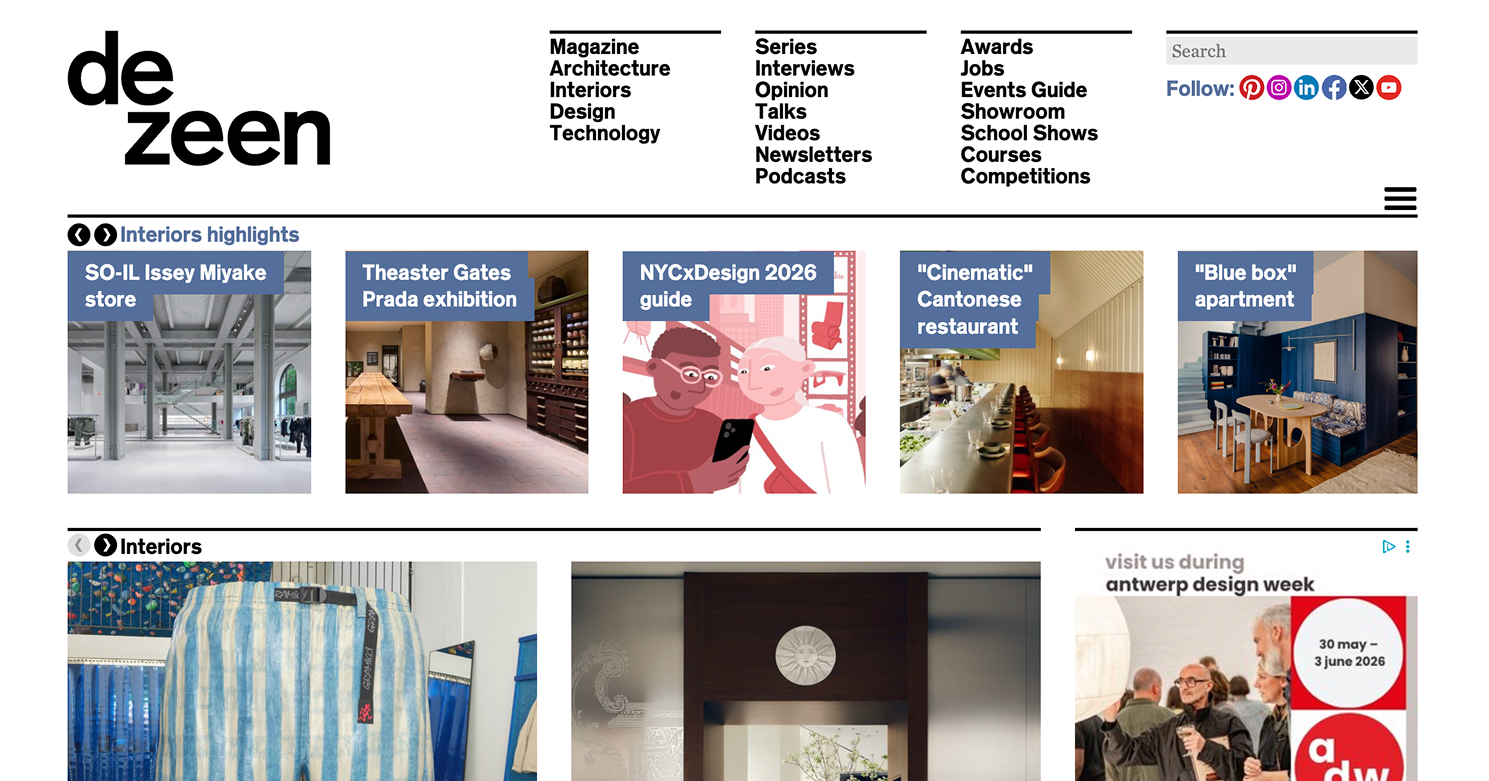
If you want a broader, more global read on interiors, Dezeen is one of the smartest sites to follow. Its interiors coverage sits at the intersection of architecture, product design, hospitality, and spatial storytelling. That makes it especially useful for designers who care about innovation, materials, and how design culture is evolving internationally.
For beginners, Dezeen can feel more advanced than decorating-first blogs, but it’s still an excellent place to train your eye. You’ll quickly notice how top projects use volume, restraint, contrast, and materiality more intentionally than trend-driven content on social platforms.
Best for: global design news, architect-led interiors, emerging directions in design
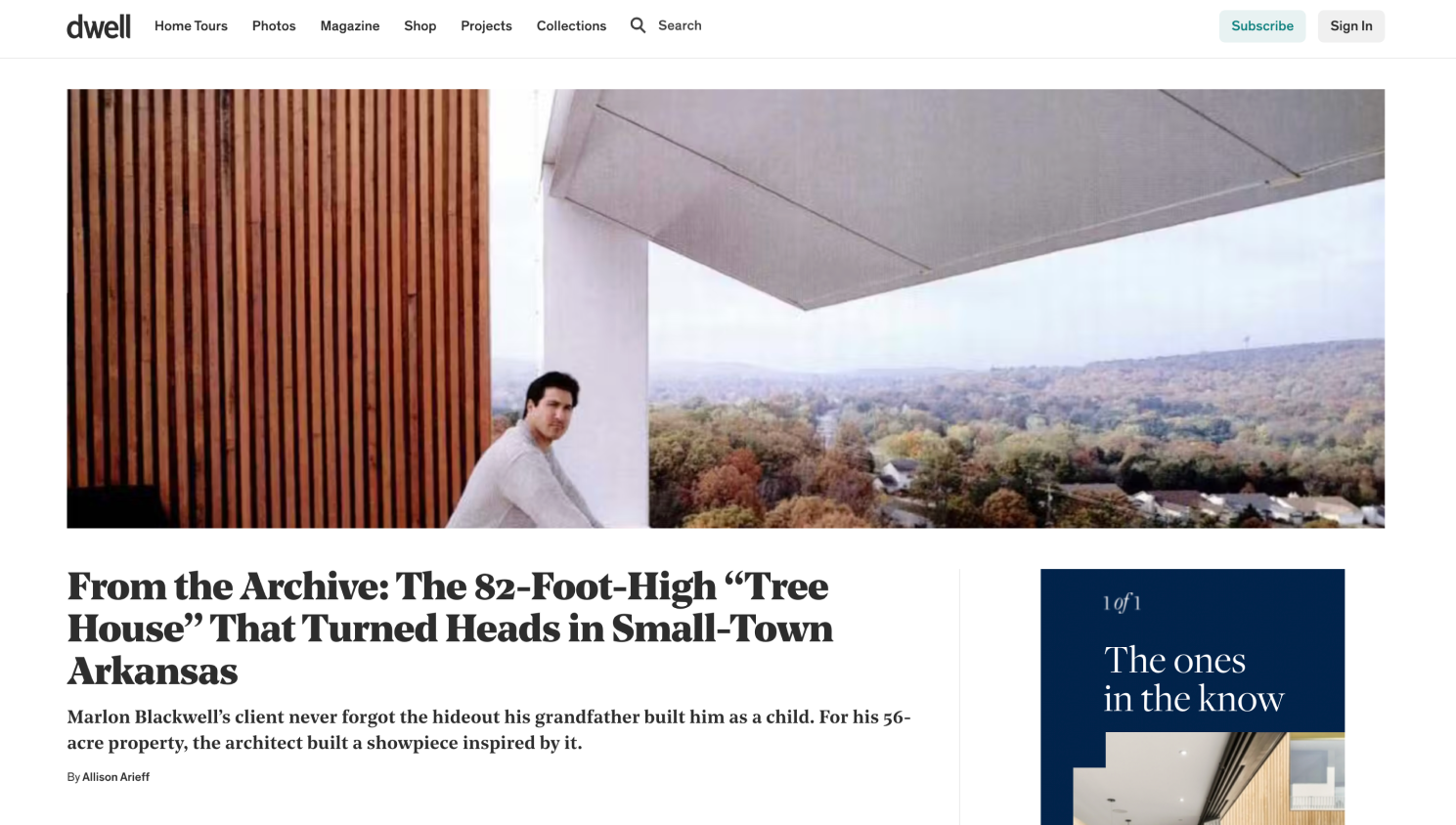
2.Dwell

Dwell has long been a favorite among readers who lean modern, and it still delivers in 2026. Its strongest angle is the relationship between architecture and daily living. Instead of treating interiors as surface styling alone, Dwell often shows how layout, light, structure, and material choices shape the experience of a home.
That makes it especially strong for renovations, new builds, and design-minded homeowners who want to understand the “why” behind a space. Designers also benefit from the site’s clarity and editorial discipline, which can feel more thoughtful than trend-chasing platforms.
Best for: modern interiors, renovation inspiration, architecture-informed design thinking
3.Yellowtrace

Yellowtrace is an influential design publication with a sharper editorial point of view than many mainstream decor sites. It covers interiors, architecture, travel, art, and design culture with a global lens, and it’s especially good at spotlighting projects that feel fresh rather than recycled.
For professionals, Yellowtrace is a great source of visual edge and cultural awareness. For beginners, it may be less instructional, but it’s excellent for developing taste and noticing what makes a space feel current.
Best for: progressive design culture, contemporary projects, global inspiration
4.est living
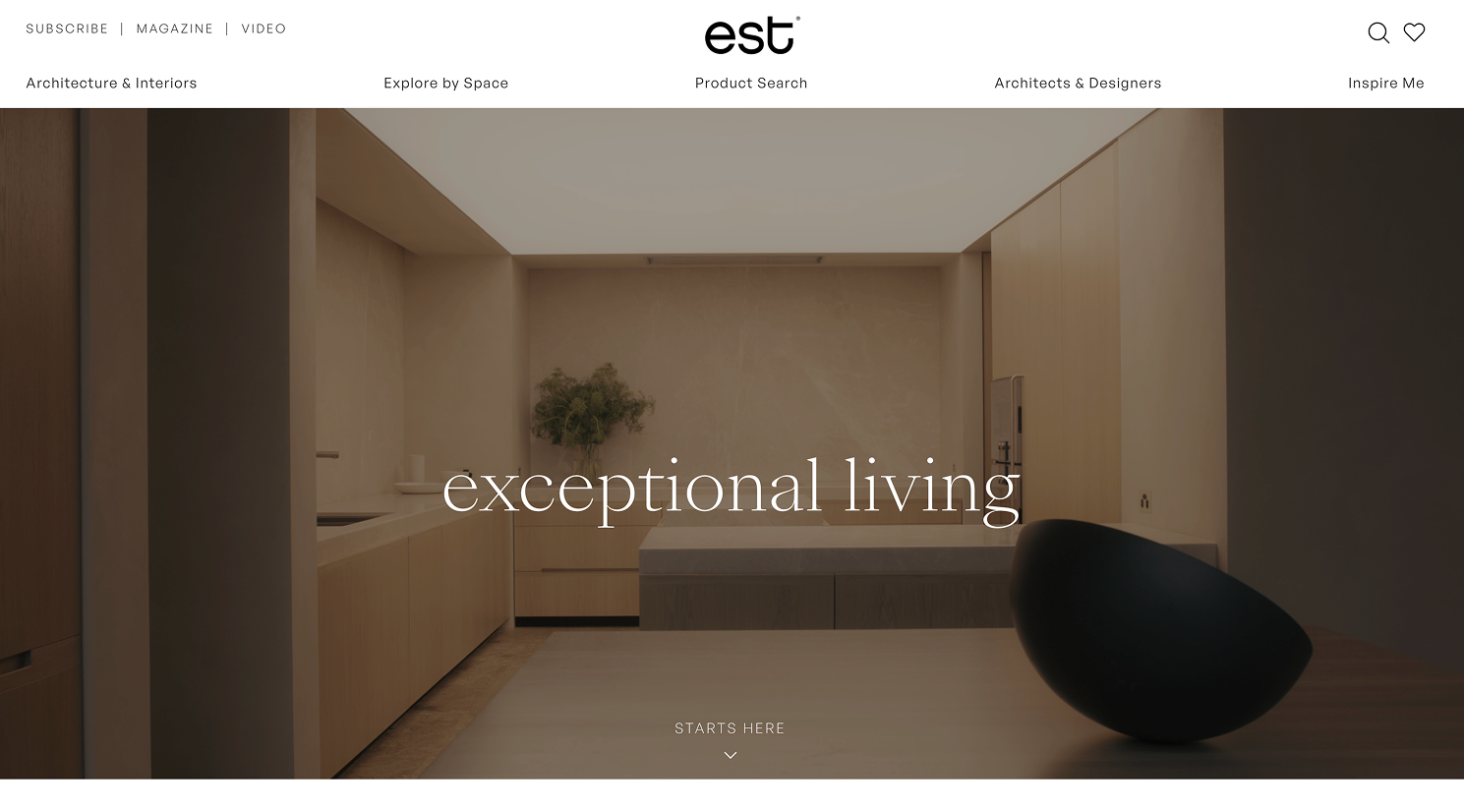
est living has a polished, elevated editorial style that makes it especially useful for readers who enjoy architect-designed homes and high-end interiors. The site balances aspiration with a strong sense of atmosphere. Rather than simply listing products or tips, it presents complete environments.
This makes it particularly valuable for designers who want references for mood, finish palettes, and refined spatial composition. Beginners who love luxury looks will also find plenty to save here.
Best for: elevated residential interiors, architecture-led style, premium inspiration
5.Habitus Living
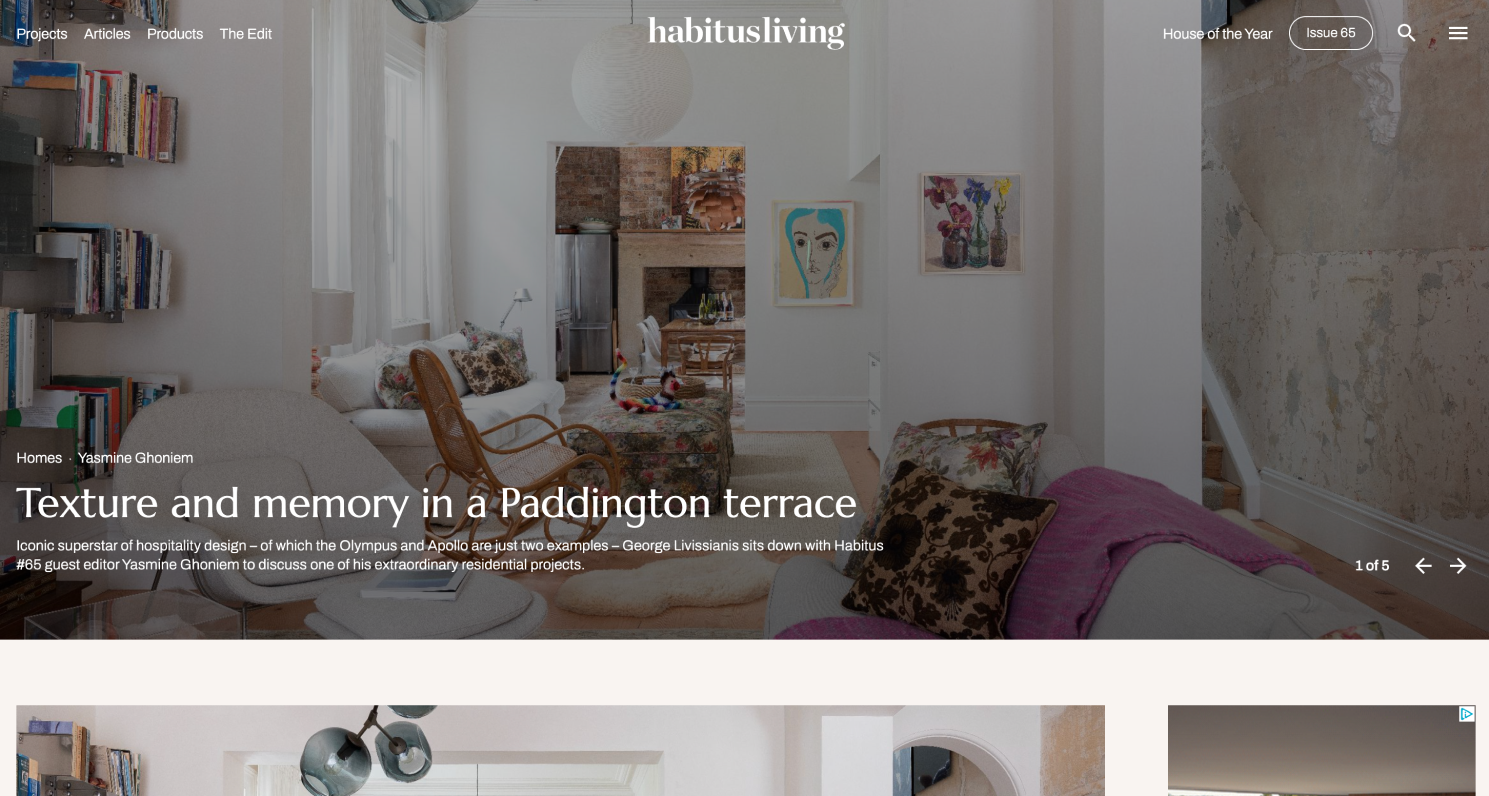
Habitus Living brings a strong Asia-Pacific perspective to residential design, and that regional lens makes it especially valuable. Too many roundup lists focus only on US or UK design media, but Habitus broadens the conversation with interiors and homes that respond to climate, landscape, craft, and local ways of living.
If you want inspiration that feels architectural, grounded, and regionally aware, Habitus is a strong addition to your reading list.
Best for: Asia-Pacific design perspectives, architecturally rich homes, place-driven interiors
Top 4 Blogs about High-End Lifestyle & Trend Forecasting
These blogs focus on luxury homes, premium interiors, designer lifestyles, emerging products, and the latest residential design trends. Perfect for luxury homeowners & trend hunters, etc.
6.Architectural Digest
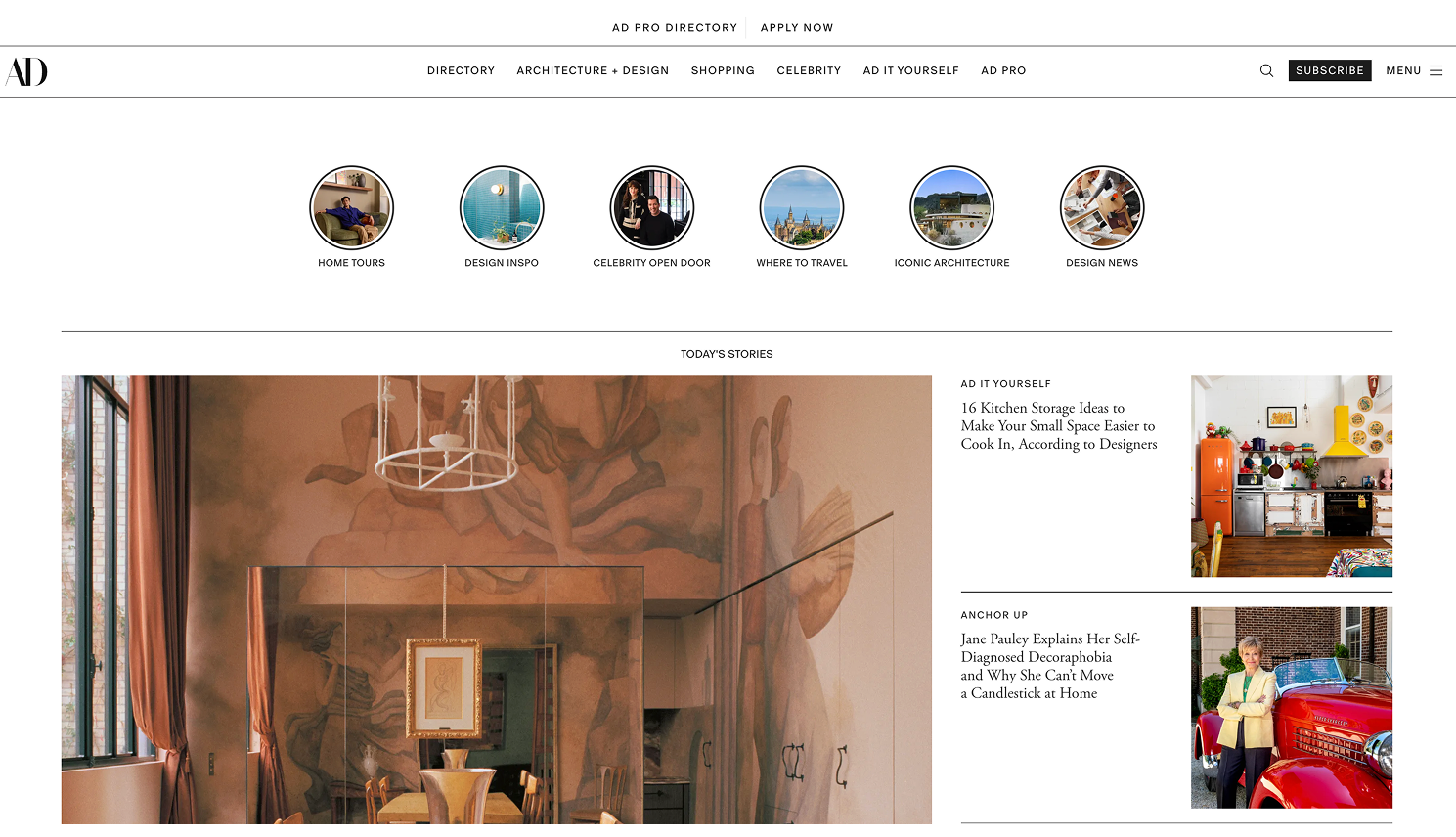
Architectural Digest remains one of the most influential names in interiors for a reason. It blends luxury home tours, designer interviews, decorating ideas, shopping guidance, and trend coverage in a way that feels polished without becoming unusable. For readers who want to see how top-tier designers think about proportion, layering, art, antiques, and finish selection, AD is still essential.
Beginners may not recreate every featured home, but they can learn a lot from the editorial framing and from the way AD explains why spaces work. For professional designers, it’s valuable as both a trend signal and a benchmark publication for high-end residential taste.
Best for: luxury inspiration, high-profile home tours, trend forecasting
7.Design Milk
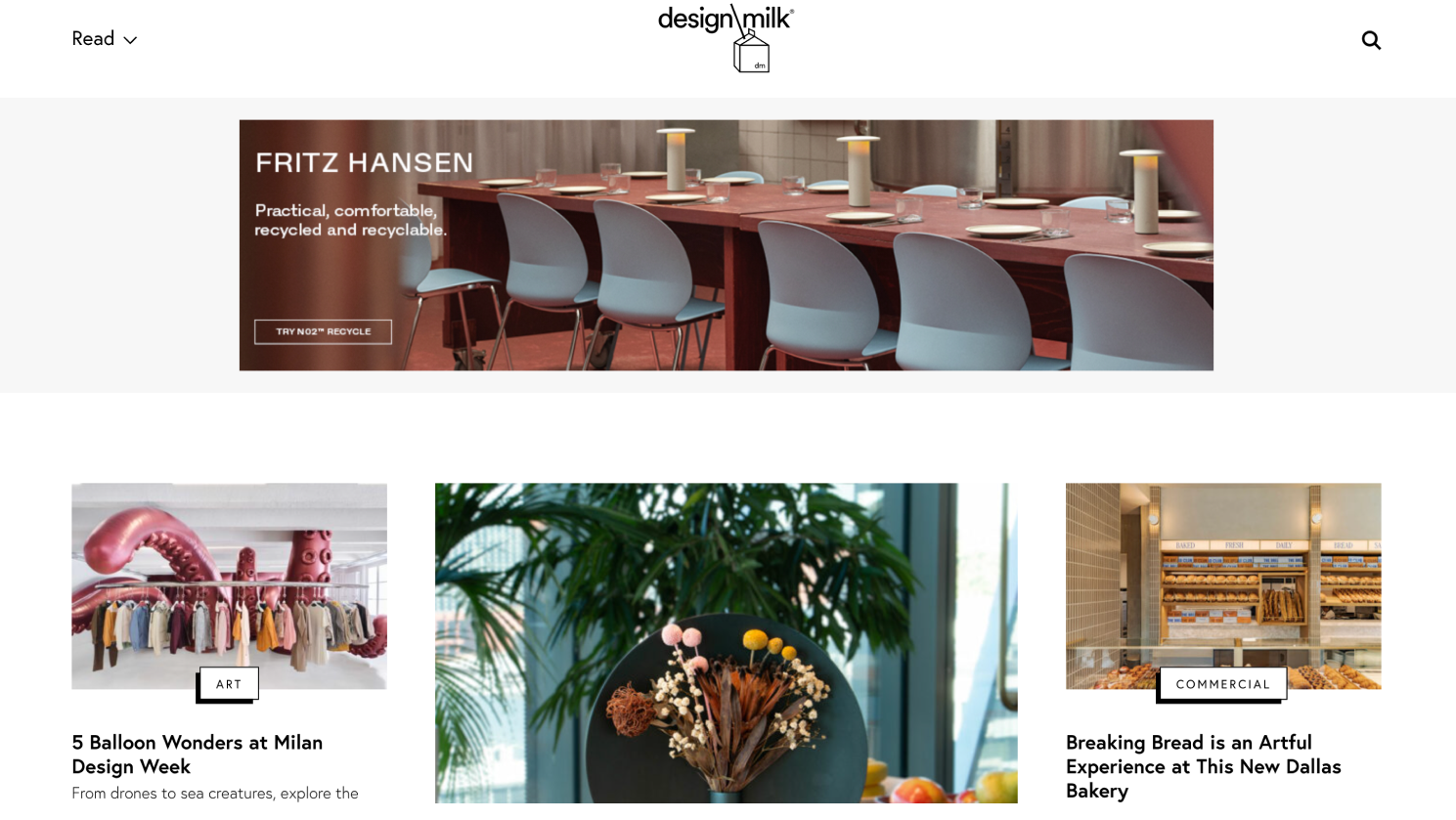
Design Milk is ideal for readers who want interiors with a contemporary edge. It covers homes, furniture, lighting, technology, art, and product launches, making it a strong resource for people who care about what’s new and what’s next. It often surfaces emerging studios and design talent before they become mainstream.
Beginners may not use every reference directly, but the site is excellent for expanding visual vocabulary. For pros, it’s a reliable source of product awareness and fresh creative direction, especially if your work leans modern, commercial, or design-forward.
Best for: contemporary interiors, product discovery, emerging designers
8.Sight Unseen

Sight Unseen is one of the most important reads on this list for professionals and serious design enthusiasts. It has a distinctive editorial voice and a strong reputation for identifying emerging talent, collectible design, and influential shifts in the design world before they become broadly commercialized.
This is not the first stop for someone looking for “easy living room ideas,” but it is one of the best stops for designers who want their references to feel ahead of the curve. If you care about originality, form, and creative influence, Sight Unseen is essential.
Best for: emerging talent, collectible design, design-world perspective
9.Contemporist
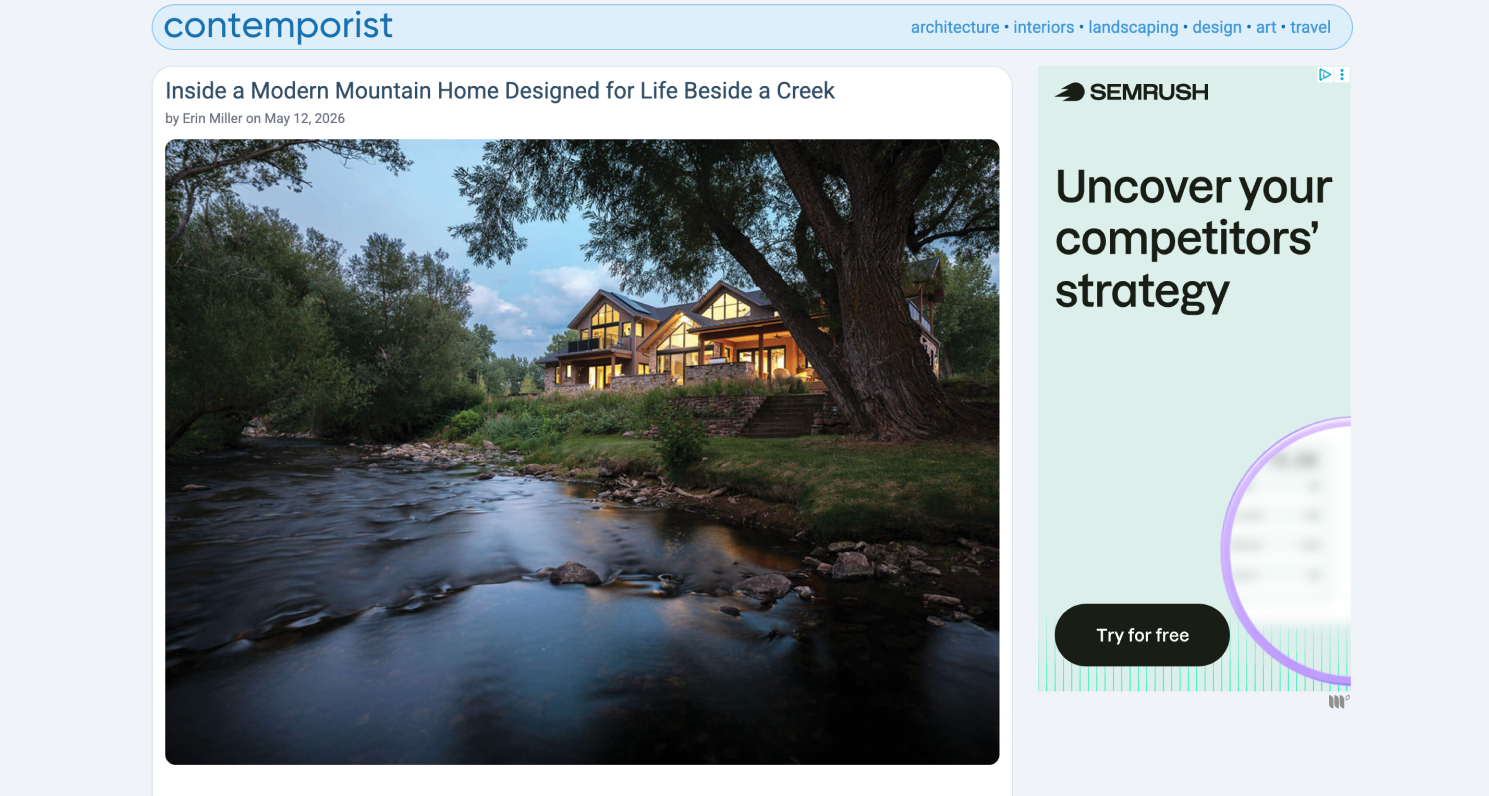
Contemporist is one of the easiest sites to browse when you want a quick hit of modern design inspiration. It publishes frequently and covers architecture, interiors, furniture, and visual design ideas in a very accessible format.
While it may not always go as deep editorially as some other publications on this list, it’s strong for daily scanning and fast idea gathering. Designers can use it as a visual discovery tool, and beginners can use it to expose themselves to more contemporary forms and details.
Best for: fast visual inspiration, modern homes, contemporary details
Top 4 Blogs about Actionable DIY & Small-Space Mastery
These blogs excel at practical decorating, real-home makeovers, budget-conscious upgrades, and maximizing limited spaces. Ideal for renters, small homes & DIY enthusiasts and the similar.
10.Apartment Therapy
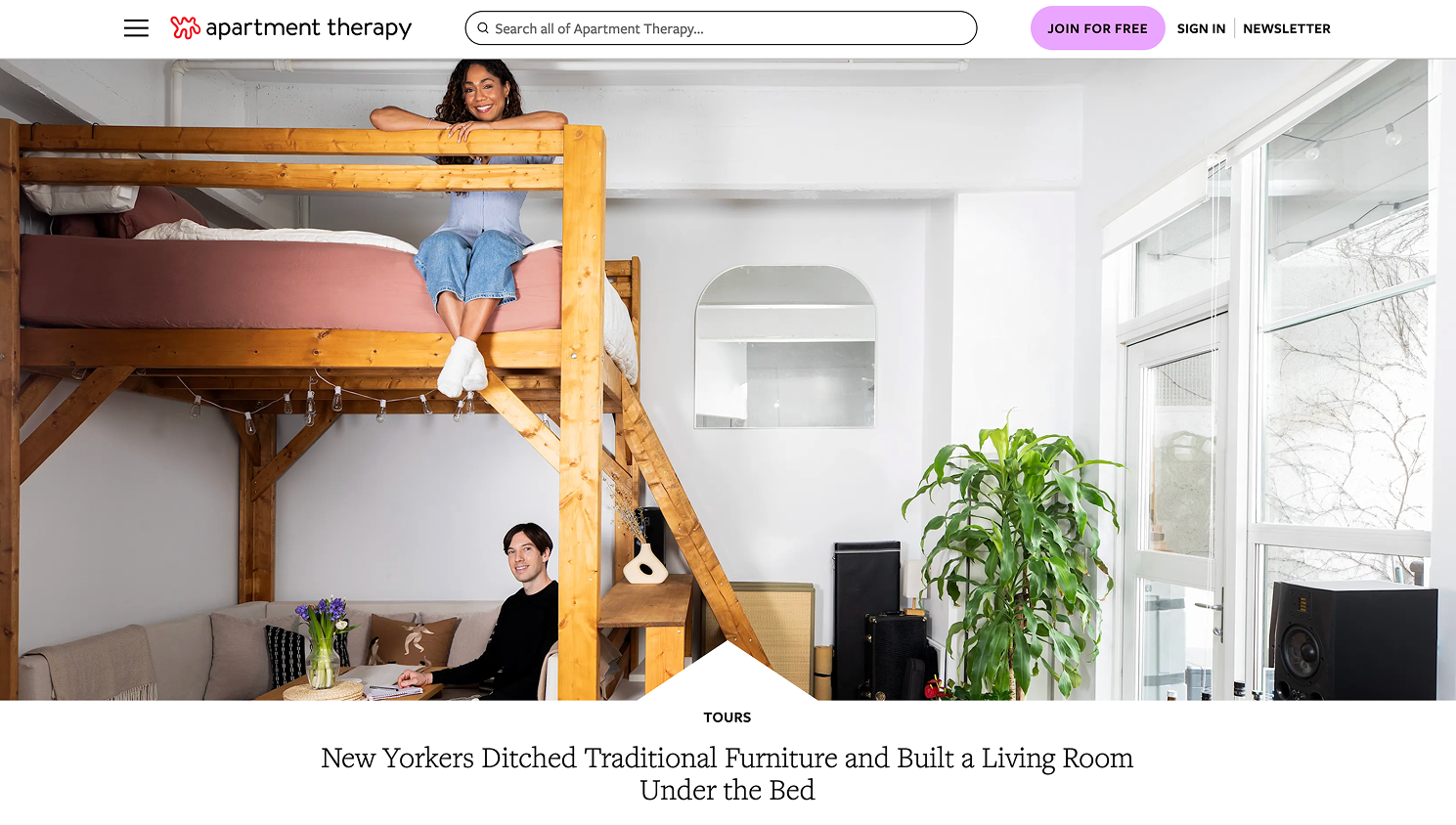
Apartment Therapy is one of the most beginner-friendly interior design blogs on the internet. It’s approachable, practical, and full of advice that feels relevant to real people living in real homes. If you’re working with a rental, a small apartment, a modest budget, or a mixed-style household, this is one of the first sites worth bookmarking.
What makes it stand out is its usability. The ideas are visual, but they’re also actionable. You’ll find small-space solutions, organizing tips, shopping guides, before-and-afters, and home tours that don’t feel too aspirational to learn from.
Best for: renters, small spaces, affordable upgrades, everyday decorating
11.Domino
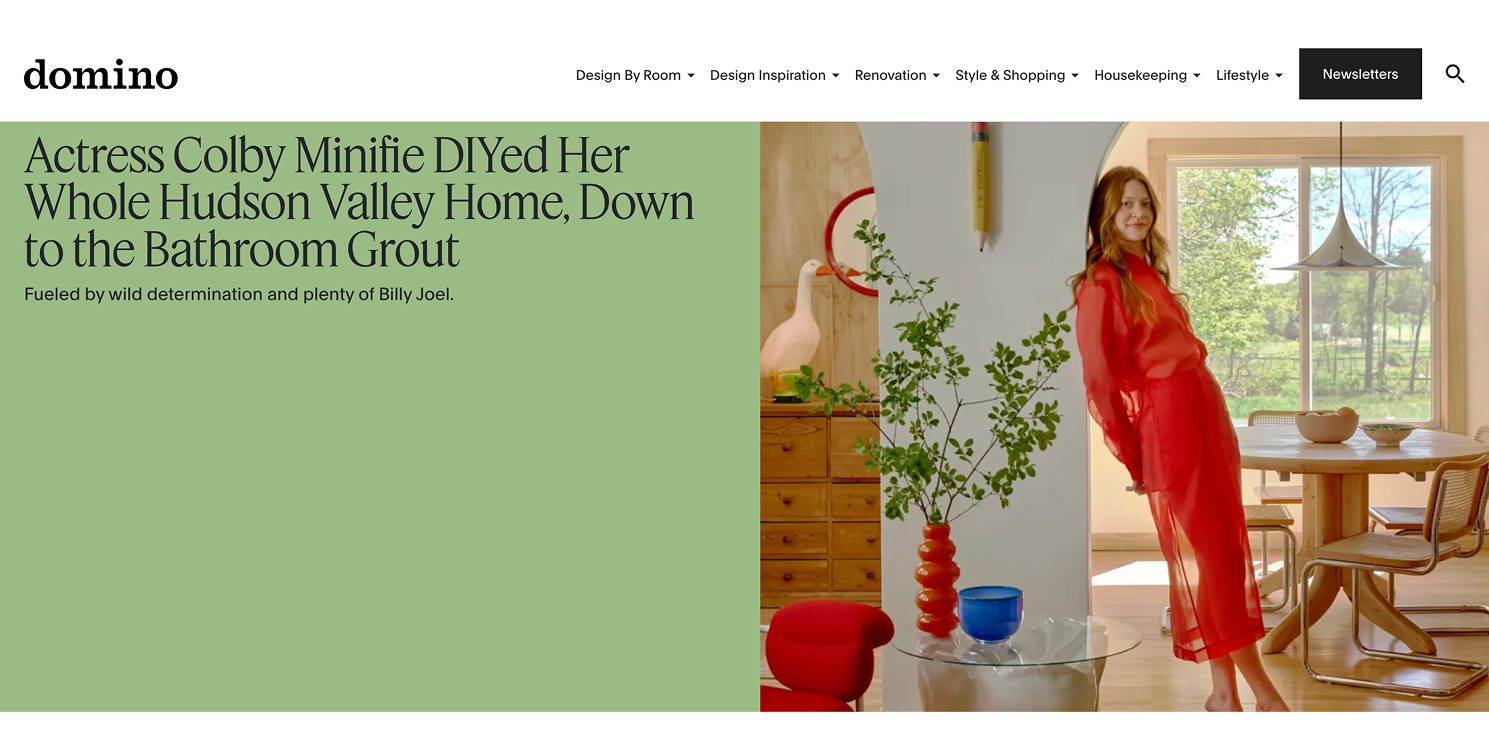
Domino continues to bridge the gap between stylish and accessible. It has a lighter, more lifestyle-driven tone than AD or Dwell, but it still offers strong decorating value. The site is especially good at translating designer looks into something readers can actually shop, adapt, and live with.
For beginners, Domino is highly digestible. For pros, it’s useful for tracking consumer-facing trend language and the kinds of styles that resonate with a broader audience.
Best for: accessible style, shopping inspiration, trend translation
12.Style by Emily Henderson
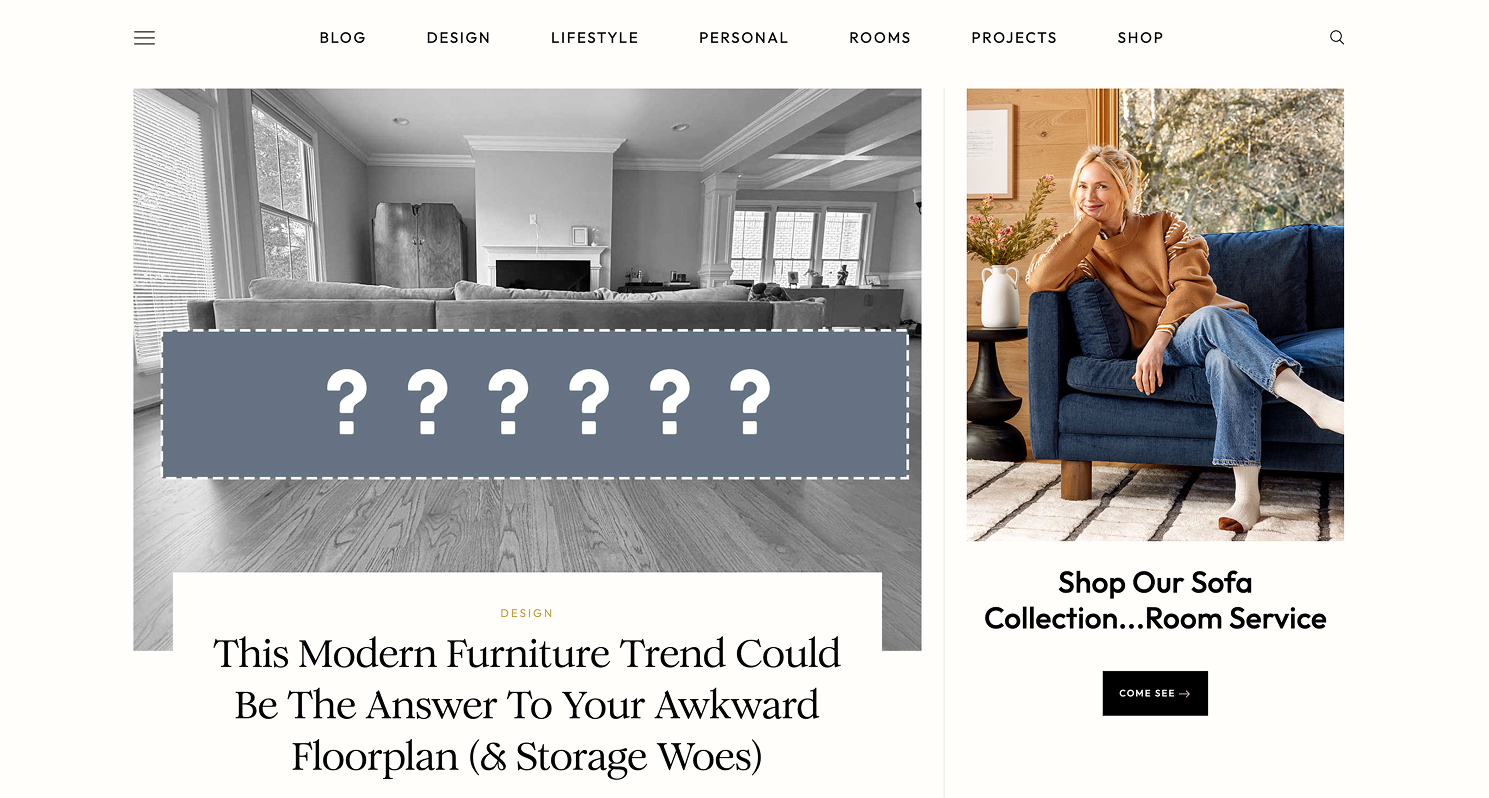
Style by Emily Henderson remains one of the best bridges between professional styling knowledge and everyday readability. The site blends room reveals, trend commentary, furniture advice, shopping roundups, and practical decorating decisions in a voice that feels friendly and human.
Design any room, shop or space with DecAI in less 30 seconds! It's free!
That balance makes it especially useful for beginners who want to understand not just what looks good, but why. It’s also useful for professionals who work with clients and need to stay aware of how decorating advice is translated for a mainstream audience.
Best for: livable style, practical decorating advice, shopping and styling guidance
13.The Design Files
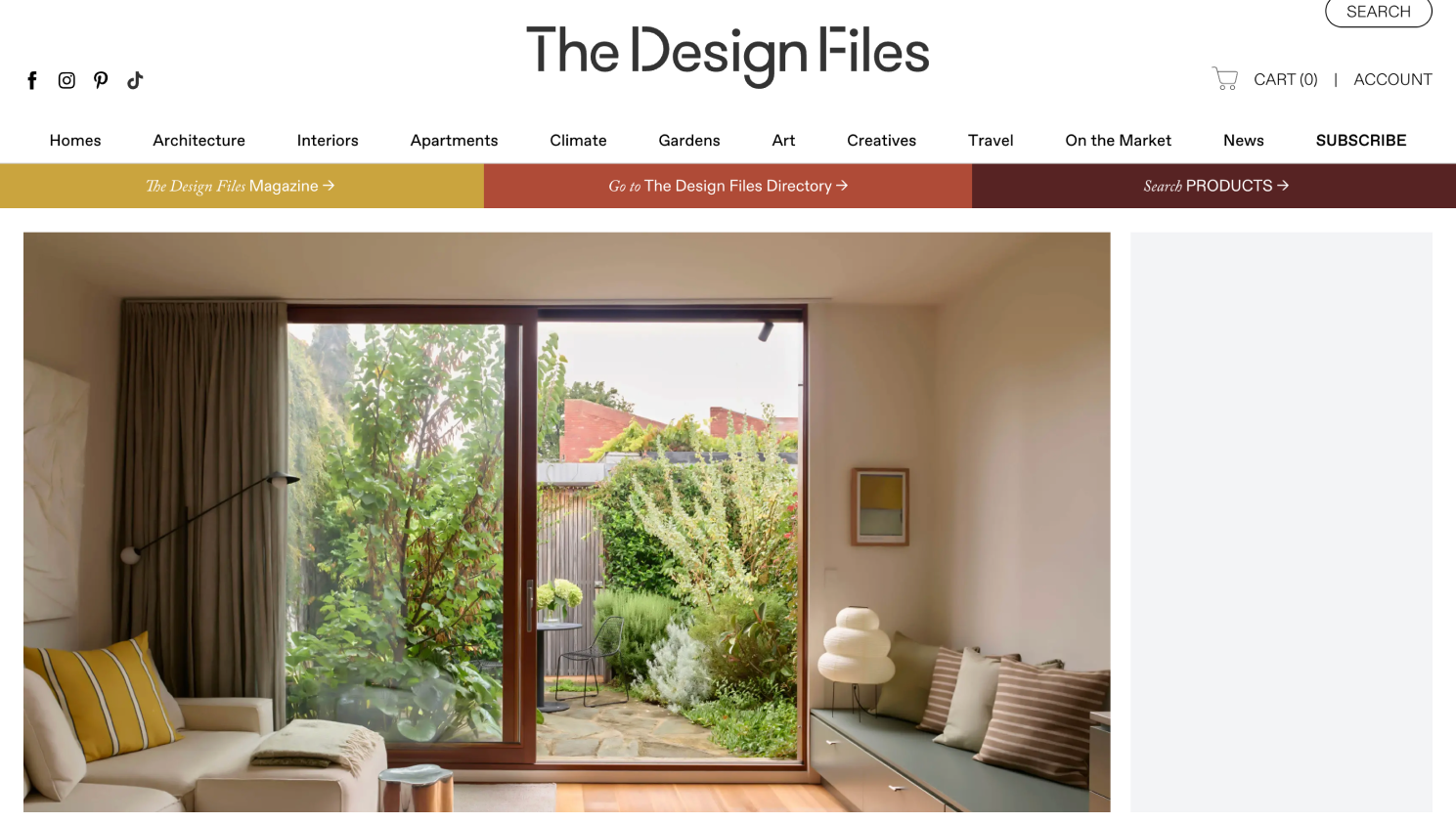
The Design Files is one of the best resources for real-home inspiration with strong editorial quality. It has a distinctly Australian perspective, but its appeal is broader than geography. The homes feel personal, creative, and often more lived-in than glossy showroom-style interiors.
It’s a smart follow for readers who like discovering how architecture, art, and decorating overlap in everyday residential spaces. Designers will especially appreciate the originality of the featured homes and makers.
Best for: real-home tours, Australian design, creative residential inspiration
Top 7 Blogs about Decorating & Budget Sourcing
If you're completely new to interior design and want easy-to-follow decorating guidance, renovation tips, room ideas, and sourcing recommendations, start here. These blogs are good for beginners looking for practical decorating basics and advices.
14.Houzz
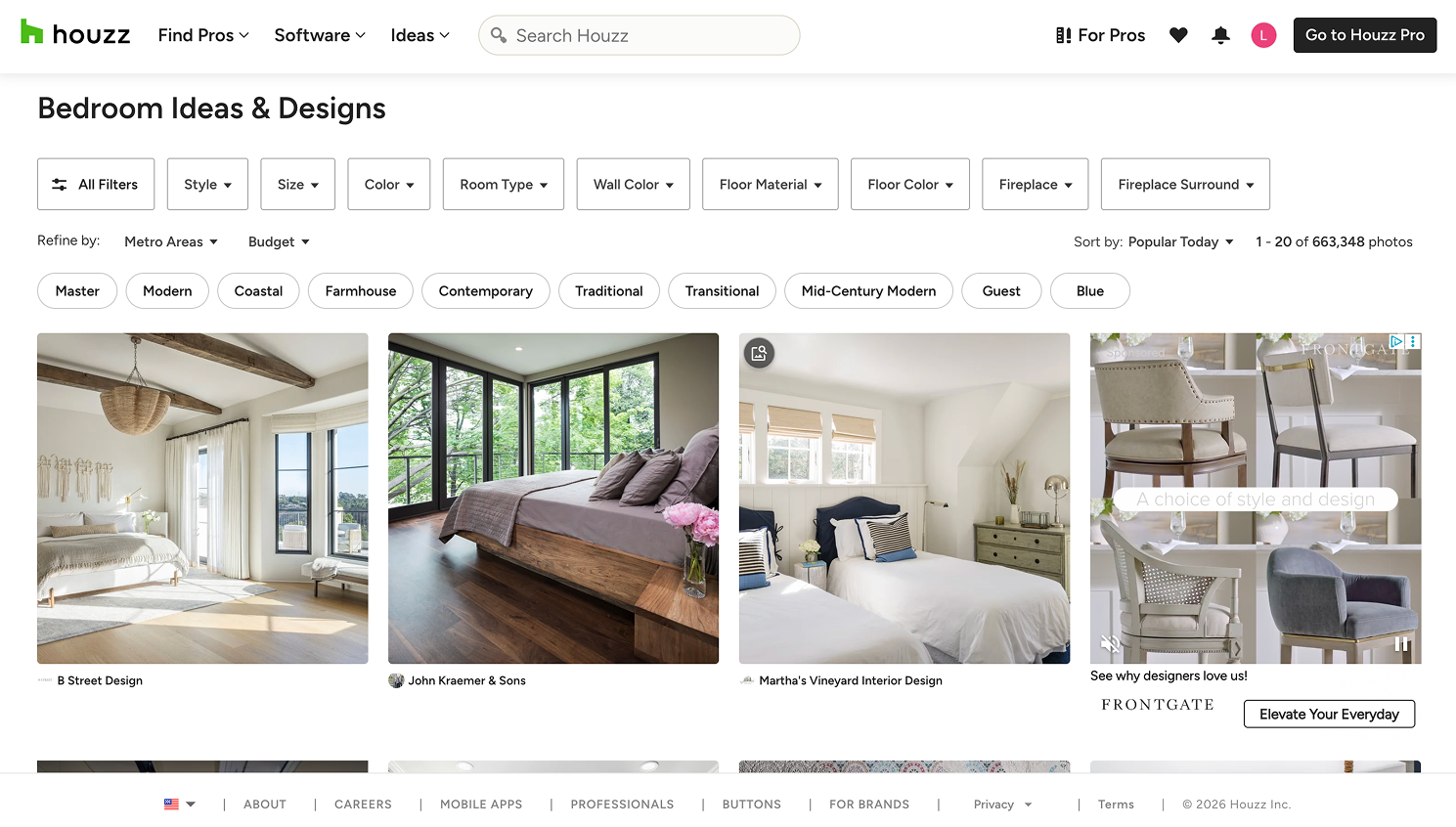
Houzz is less of a traditional blog and more of a giant design ecosystem, but it still deserves a place on this list because it’s incredibly useful. It connects inspiration with execution better than almost any other platform. Readers can browse by room, style, color, or feature, then save ideas and move toward actual planning.
For beginners, Houzz is one of the easiest ways to narrow preferences and gather visual references. For professionals, it remains a practical archive of projects, details, and client-facing inspiration.
Best for: idea boards, renovation planning, room-by-room inspiration
15.Remodelista
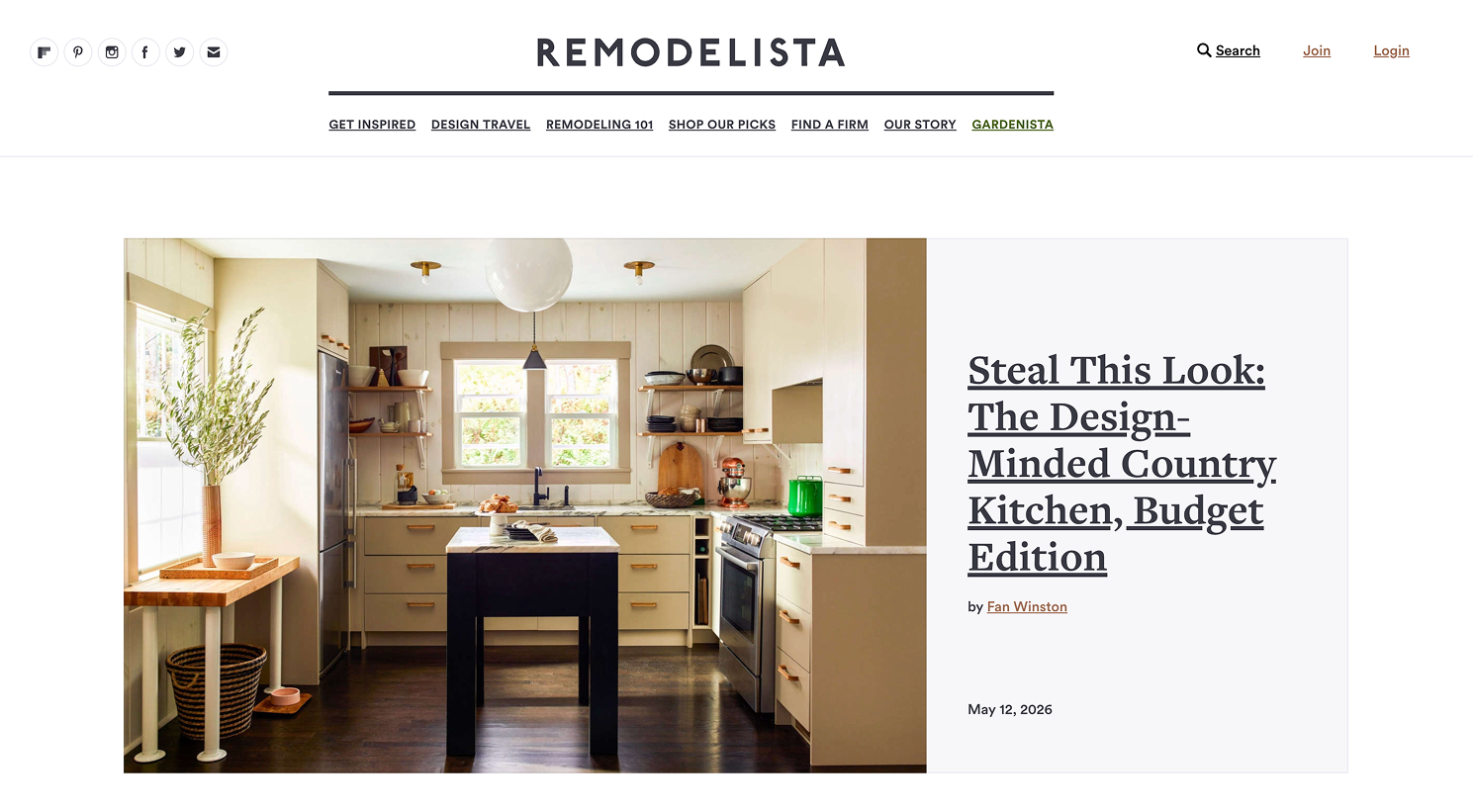
Remodelista has a more refined, considered tone than many mass-market design sites, and that’s exactly its appeal. It’s excellent for readers who care about kitchens, baths, renovation choices, timeless materials, and sourcing pieces with lasting value rather than quick trend appeal.
Its aesthetic often leans restrained, natural, and quietly sophisticated, but the real strength is editorial judgment. If you want fewer throwaway ideas and more well-edited inspiration, Remodelista is an excellent follow.
Best for: thoughtful renovations, timeless interiors, sourcing and materials
16.House Beautiful

House Beautiful remains a strong mainstream design resource, especially for readers who want decorating advice, color direction, home tours, and trend coverage in one place. It often sits between aspirational and practical, which makes it a useful middle ground for a wide audience.
It’s particularly good for readers who enjoy classic decorating topics: paint colors, room ideas, traditional design updates, and seasonal home content. Professionals may also find it useful for tracking what’s gaining traction with homeowners.
Best for: decorating ideas, color inspiration, mainstream home trends
17.The Spruce
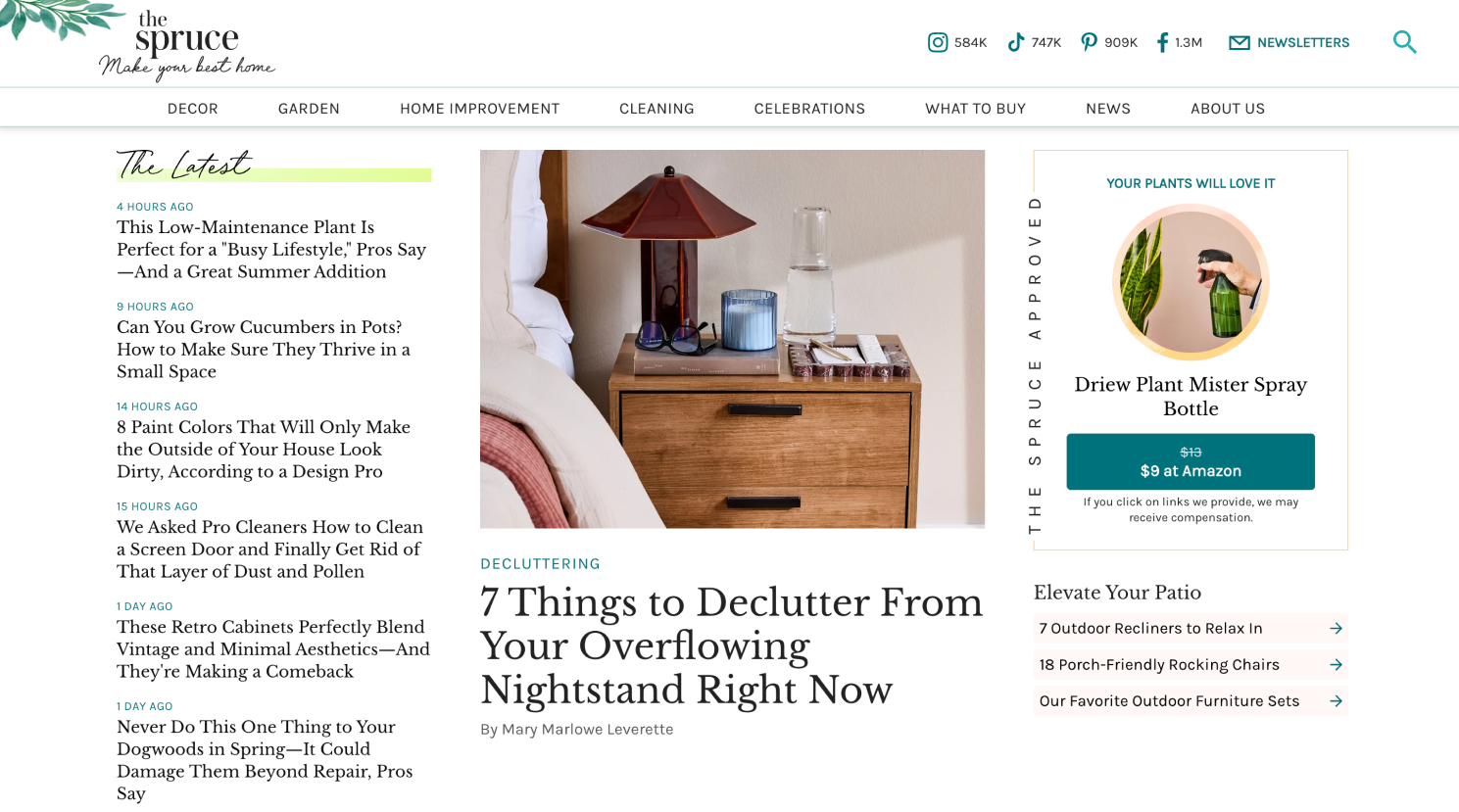
The Spruce is one of the best interior design blogs for readers who want simple explanations and low-pressure guidance. It’s not trying to be the chicest publication in the room, and that’s part of its value. It helps people solve problems clearly, whether that’s choosing decor, arranging furniture, understanding design basics, or updating a room on a budget.
For absolute beginners, it’s one of the least intimidating places to start. It turns vague decorating questions into manageable next steps.
Best for: beginner how-tos, home basics, practical decorating help
18.My Scandinavian Home
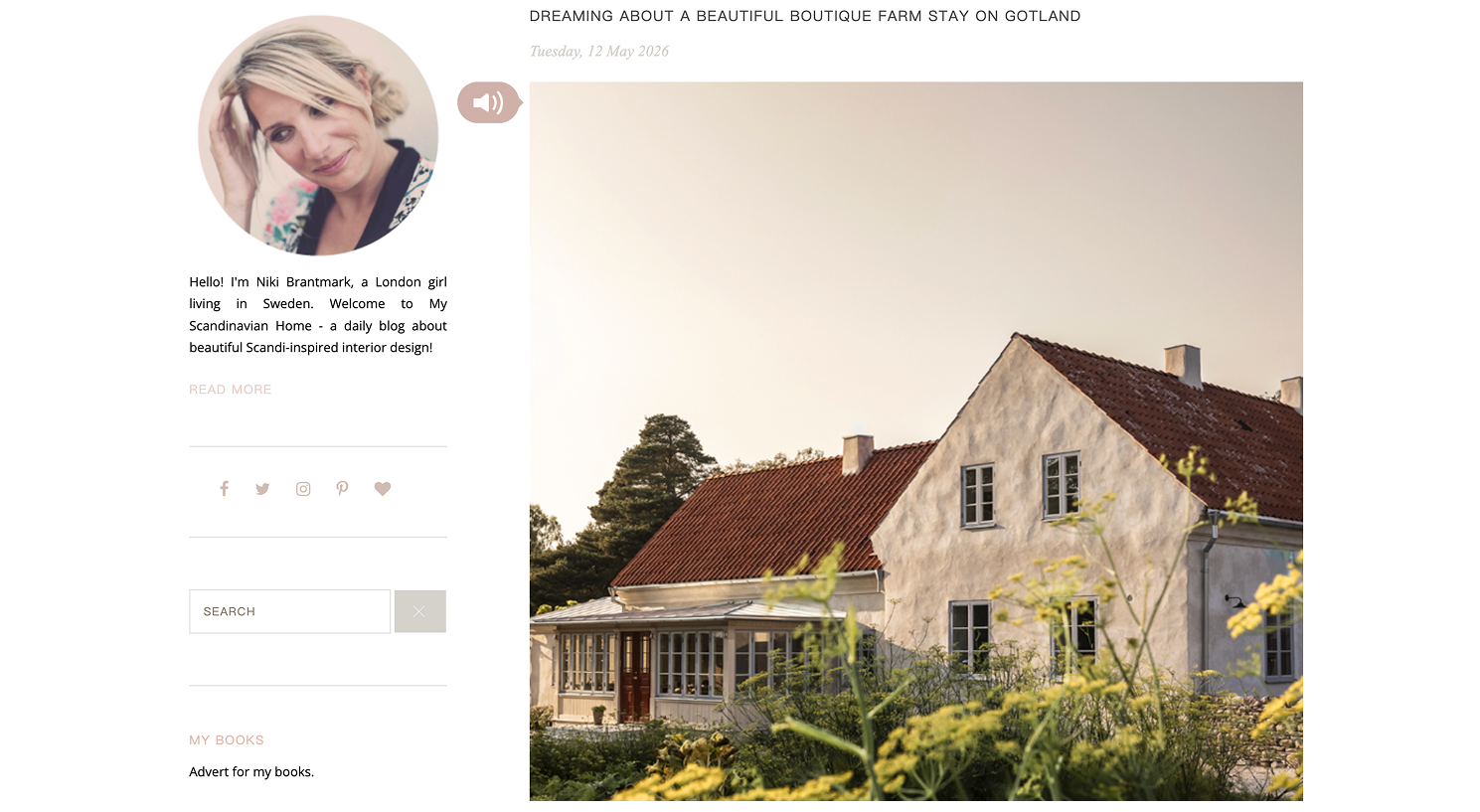
My Scandinavian Home is a longtime favorite for readers drawn to calm, light-filled, lived-in spaces. It captures Scandinavian interiors in a way that feels warm rather than sterile. The site is especially good at showing how simplicity, texture, vintage touches, and muted palettes can create rooms with real personality.
Even if Scandi style isn’t your final destination, this blog is excellent for learning visual restraint. It teaches you what to leave out, not just what to add.
Best for: Scandinavian interiors, serene styling, timeless simplicity
19.Home Designing
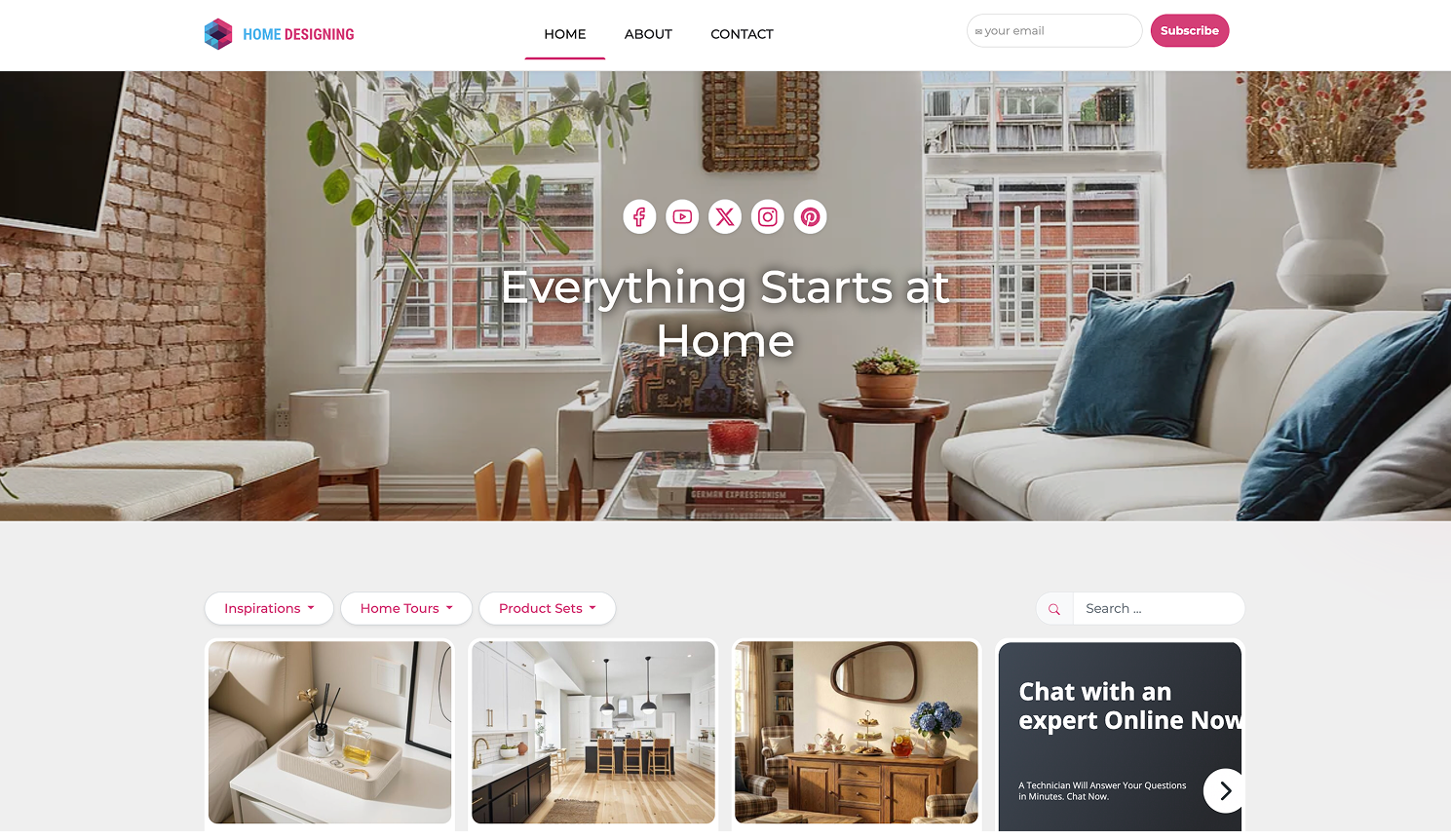
Home Designing is a useful site for people who want room-focused inspiration without too much friction. It’s especially good for visual browsing by category, whether you’re hunting for living room ideas, bedroom references, lighting concepts, or product suggestions.
For beginners, it’s a convenient starting point when you know which room you’re working on but not which style direction to take. For pros, it’s less of an industry read and more of a quick-reference inspiration bank.
Best for: room-by-room ideas, visual browsing, approachable inspiration
20.Laurel Home
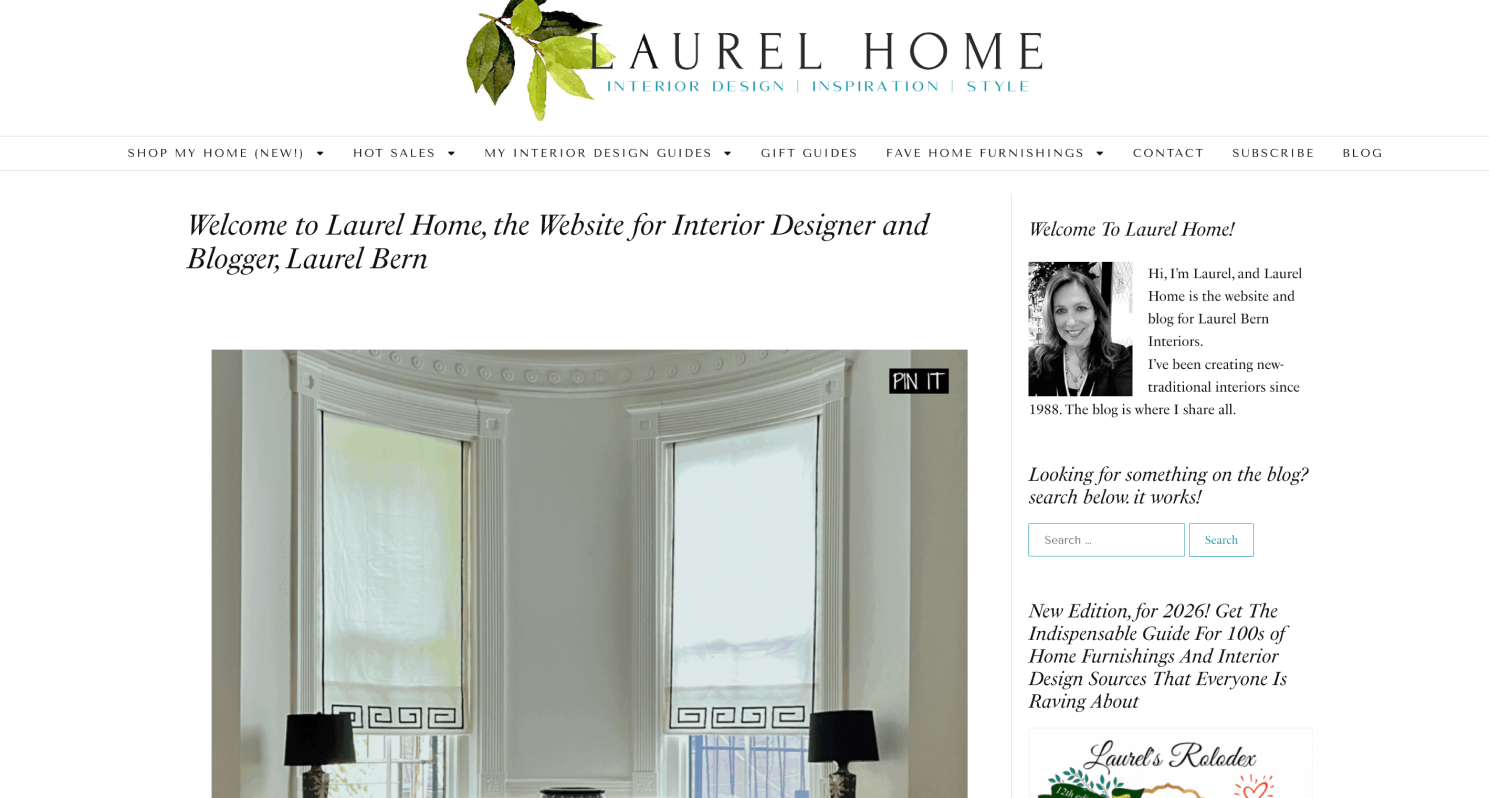
Laurel Home is a standout resource for readers who appreciate traditional interiors, honest design education, and nuanced advice on color, proportion, and decorating mistakes. Laurel Bern’s voice is direct, experienced, and refreshingly specific, which is part of why the site has such a loyal following.
This is a particularly strong blog for readers who feel underserved by ultra-modern or trend-heavy content. If you want help understanding what gives a room depth, harmony, and long-term appeal, Laurel Home is worth your time.
Best for: traditional interiors, paint guidance, practical design education
How Beginners Should Use Interior Design Blogs Without Getting Overwhelmed
One of the biggest mistakes beginners make is consuming too much inspiration without a filter. After a while, every room starts to blur together, and it becomes harder to tell what you actually like. So, the best approach is to choose one or two blogs that match your current goal:
- If you’re decorating a first apartment, start with Apartment Therapy, The Spruce, and Houzz.
- If you’re drawn to a calmer, more timeless look, add My Scandinavian Home or Remodelista.
- If you want a more personality-driven style, Domino and Style by Emily Henderson are easier entry points.
And this way also helps to save inspiration by pattern, not by perfection. Instead of pinning full rooms only, notice recurring details.
Are you consistently drawn to darker woods, plaster walls, warm whites, vintage lighting, or open shelving? Those repeated signals matter more than any single dream room.
And once you start seeing patterns, test them before spending heavily. This is where inspiration becomes more actionable.
By the way, after collecting ideas from blogs, you can use a tool like DecAI to upload your actual room and visualize different styles in seconds. That’s especially helpful if you’re unsure whether a trend you love online will suit your space, light, or layout.
How Pro Designers Can Get More Value From These Blogs
For professionals, the best interior design blogs are not just sources of inspiration:
- They’re intelligence tools. They help you track the language of trends, see which materials are rising, discover studios and makers, and understand how different publications frame taste for different audiences.
- A good strategy is to read across tiers. Pair broad, influential publications like Architectural Digest and Dezeen with more specialized voices like Sight Unseen, Yellowtrace, or Habitus. That gives you both market visibility and editorial depth.
- It’s also worth separating your inputs by function. Use Dwell, Dezeen, and Habitus for architectural thinking. Use Design Milk and Sight Unseen for new products and emerging names. Use Domino, House Beautiful, and Style by Emily Henderson for audience-facing trend translation. Use Remodelista and My Scandinavian Home for more timeless composition and tone.
In 2026, when design trends move fast and client expectations are shaped by everything from TikTok to boutique hospitality, the pros who stay sharp are usually the ones reading beyond the algorithm.
And following these blogs would help you a lot to stay sharp and update-to-date.
FAQs
1.What is the best interior design blog for beginners?
For most beginners, Apartment Therapy, The Spruce, and Houzz are the easiest places to start, which make design feel practical and give readers advice they can actually use.
2.Which interior design blogs do professionals read?
Many professionals read Architectural Digest, Dezeen, Dwell, Design Milk, Sight Unseen, Yellowtrace, and Habitus Living to stay current on projects, products, and broader design culture.
3.Are interior design blogs still worth reading in 2026?
Yes. Blogs still offer more context, explanation, and editorial curation than most social content. They’re especially useful when you want more than quick visual inspiration.
4.What blogs are best for small-space decorating?
Apartment Therapy, Houzz, The Spruce, and Style by Emily Henderson are especially useful for small-space ideas, layout solutions, and practical decorating decisions.
5.Which interior design blogs are best for trends?
For current trends, start with Architectural Digest, Dezeen, Domino, House Beautiful, and Design Milk. If you want a more design-insider angle, add Yellowtrace and Sight Unseen.
6.What is the difference between an interior design blog and a design magazine site?
Today, the line is thin. Many of the best “blogs” are digital publications or magazine-style editorial sites. What matters more is whether they offer useful, current, well-curated interior design content.
7.How can I use interior design blogs to decorate my own home?
Start by saving repeated ideas instead of random images. Identify the colors, materials, and room layouts you respond to most. Then test those ideas in your real space before buying, painting, or remodeling.
8.What should interior designers bookmark besides blogs?
In addition to blogs, designers should bookmark brand catalogs, showroom resources, material libraries, trend reports, and visualization tools. For fast home design concept visualization tools like DecAI can help turn inspiration into room-specific previews quickly.
Final Thoughts
The best interior design blogs in 2026 are not all trying to do the same job, and that’s exactly why following a mix of them works so well. Some help you understand decorating basics. Others sharpen your eye, surface new talent, or keep you current on what’s changing in the design world.
Whether you are a complete beginner or experienced expert, simply browse far more and choose the best ones based on your actual needs. We hope this roundup of 20 best blog for interior designs would help you find your best fits smoothly.
--------------------------------------
If you believe that any material on this site infringes your intellectual property rights, please contact the author at decaiwebteam@outlook.com with details of your claim.
Redesign any home interior, exterior & garden in seconds
Share this Post:
'%3e%3cpath%20d='M17.9995%2035.999C17.0317%2035.999%2016.0619%2035.9219%2015.1161%2035.7696C10.9414%2035.0973%207.11524%2032.9513%204.34408%2029.7273C1.54287%2026.4683%200%2022.3035%200%2017.9995C0%208.07403%208.07503%200%2017.9995%200C27.924%200%2036%208.07503%2036%2017.9995C36%2022.3696%2034.4151%2026.5835%2031.5357%2029.8646C28.6844%2033.1156%2024.7671%2035.2326%2020.5052%2035.8267C19.6806%2035.9419%2018.8371%2036%2017.9995%2036V35.999ZM17.9995%201.20123C8.73726%201.20123%201.20224%208.73626%201.20224%2017.9985C1.20224%2026.2919%207.13427%2033.2659%2015.3075%2034.5814C16.9546%2034.8469%2018.6808%2034.8659%2020.3389%2034.6345C28.5812%2033.4863%2034.7968%2026.334%2034.7968%2017.9985C34.7968%208.73626%2027.2617%201.20123%2017.9985%201.20123H17.9995Z'%20fill='%23FF0209'/%3e%3cpath%20d='M29.0557%2014.3621C28.9184%2013.0276%2028.6208%2011.5539%2027.5268%2010.7784C26.6782%2010.1773%2025.5642%2010.1553%2024.5242%2010.1563C22.3251%2010.1583%2020.126%2010.1603%2017.9269%2010.1623C15.812%2010.1643%2013.6971%2010.1663%2011.5821%2010.1683C10.6985%2010.1683%209.8399%2010.1002%209.01937%2010.4819C8.31406%2010.8105%207.76303%2011.4347%207.43241%2012.1289C6.97156%2013.0957%206.87438%2014.1898%206.81927%2015.2588C6.71708%2017.2044%206.7281%2019.156%206.85133%2021.0996C6.9405%2022.5193%207.16792%2024.0872%208.26496%2024.9919C9.23777%2025.7934%2010.6103%2025.8325%2011.8707%2025.8335C15.8741%2025.8365%2019.8776%2025.8395%2023.881%2025.8435C24.394%2025.8435%2024.93%2025.8345%2025.453%2025.7774C26.4829%2025.6661%2027.4637%2025.3716%2028.1249%2024.6092C28.7922%2023.8407%2028.9635%2022.7698%2029.0657%2021.7569C29.3121%2019.3003%2029.3091%2016.8177%2029.0557%2014.3621ZM15.6116%2021.4453V14.5545L21.5797%2017.9999L15.6116%2021.4453Z'%20fill='%23FF0209'/%3e%3c/g%3e%3cdefs%3e%3cclipPath%20id='clip0_13816_41422'%3e%3crect%20width='36'%20height='36'%20fill='white'/%3e%3c/clipPath%3e%3c/defs%3e%3c/svg%3e)
'%3e%3cpath%20d='M17.9995%2036C17.0327%2036%2016.0619%2035.9229%2015.1161%2035.7696C10.9414%2035.0973%207.11524%2032.9513%204.34408%2029.7273C1.54287%2026.4683%200%2022.3035%200%2017.9995C0%208.07403%208.07503%200%2017.9995%200C27.924%200%2036%208.07503%2036%2017.9995C36%2022.3696%2034.4151%2026.5835%2031.5357%2029.8646C28.6844%2033.1156%2024.7671%2035.2326%2020.5052%2035.8267C19.6806%2035.9419%2018.8371%2036%2017.9995%2036ZM17.9995%201.20224C8.73726%201.20224%201.20224%208.73726%201.20224%2017.9995C1.20224%2026.2919%207.13427%2033.2669%2015.3075%2034.5824C16.9556%2034.8479%2018.6808%2034.8669%2020.3389%2034.6355C28.5812%2033.4873%2034.7968%2026.335%2034.7968%2017.9995C34.7968%208.73726%2027.2617%201.20224%2017.9985%201.20224H17.9995Z'%20fill='url(%23paint0_linear_13816_41436)'/%3e%3cpath%20d='M23.4463%207.55469H12.549C9.53841%207.55469%207.08984%2010.0032%207.08984%2013.0138V22.9834C7.08984%2025.994%209.53841%2028.4426%2012.549%2028.4426H23.4463C26.4569%2028.4426%2028.9054%2025.994%2028.9054%2022.9834V13.0138C28.9054%2010.0032%2026.4569%207.55469%2023.4463%207.55469ZM9.01543%2013.0138C9.01543%2011.0652%2010.6004%209.48027%2012.549%209.48027H23.4463C25.3949%209.48027%2026.9799%2011.0652%2026.9799%2013.0138V22.9834C26.9799%2024.932%2025.3949%2026.517%2023.4463%2026.517H12.549C10.6004%2026.517%209.01543%2024.932%209.01543%2022.9834V13.0138Z'%20fill='url(%23paint1_linear_13816_41436)'/%3e%3cpath%20d='M17.9964%2023.0749C20.7966%2023.0749%2023.0749%2020.7966%2023.0749%2017.9964C23.0749%2015.1962%2020.7966%2012.918%2017.9964%2012.918C15.1962%2012.918%2012.918%2015.1962%2012.918%2017.9964C12.918%2020.7966%2015.1962%2023.0749%2017.9964%2023.0749ZM17.9964%2014.8446C19.7346%2014.8446%2021.1483%2016.2582%2021.1483%2017.9964C21.1483%2019.7347%2019.7346%2021.1483%2017.9964%2021.1483C16.2582%2021.1483%2014.8446%2019.7347%2014.8446%2017.9964C14.8446%2016.2582%2016.2582%2014.8446%2017.9964%2014.8446Z'%20fill='url(%23paint2_linear_13816_41436)'/%3e%3cpath%20d='M23.5482%2013.741C24.3026%2013.741%2024.9168%2013.1269%2024.9168%2012.3725C24.9168%2011.618%2024.3026%2011.0039%2023.5482%2011.0039C22.7938%2011.0039%2022.1797%2011.618%2022.1797%2012.3725C22.1797%2013.1269%2022.7938%2013.741%2023.5482%2013.741Z'%20fill='url(%23paint3_linear_13816_41436)'/%3e%3c/g%3e%3cdefs%3e%3clinearGradient%20id='paint0_linear_13816_41436'%20x1='5.27482'%20y1='30.7312'%20x2='30.7242'%20y2='5.28083'%20gradientUnits='userSpaceOnUse'%3e%3cstop%20stop-color='%23FAAD4F'/%3e%3cstop%20offset='0.35'%20stop-color='%23DD2A7B'/%3e%3cstop%20offset='0.62'%20stop-color='%239537B0'/%3e%3cstop%20offset='1'%20stop-color='%23515BD4'/%3e%3c/linearGradient%3e%3clinearGradient%20id='paint1_linear_13816_41436'%20x1='8.92225'%20y1='27.074'%20x2='27.073'%20y2='8.92324'%20gradientUnits='userSpaceOnUse'%3e%3cstop%20stop-color='%23FAAD4F'/%3e%3cstop%20offset='0.35'%20stop-color='%23DD2A7B'/%3e%3cstop%20offset='0.62'%20stop-color='%239537B0'/%3e%3cstop%20offset='1'%20stop-color='%23515BD4'/%3e%3c/linearGradient%3e%3clinearGradient%20id='paint2_linear_13816_41436'%20x1='14.4077'%20y1='21.5861'%20x2='21.5861'%20y2='14.4077'%20gradientUnits='userSpaceOnUse'%3e%3cstop%20stop-color='%23FAAD4F'/%3e%3cstop%20offset='0.35'%20stop-color='%23DD2A7B'/%3e%3cstop%20offset='0.62'%20stop-color='%239537B0'/%3e%3cstop%20offset='1'%20stop-color='%23515BD4'/%3e%3c/linearGradient%3e%3clinearGradient%20id='paint3_linear_13816_41436'%20x1='22.5814'%20y1='13.3393'%20x2='24.515'%20y2='11.4057'%20gradientUnits='userSpaceOnUse'%3e%3cstop%20stop-color='%23FAAD4F'/%3e%3cstop%20offset='0.35'%20stop-color='%23DD2A7B'/%3e%3cstop%20offset='0.62'%20stop-color='%239537B0'/%3e%3cstop%20offset='1'%20stop-color='%23515BD4'/%3e%3c/linearGradient%3e%3cclipPath%20id='clip0_13816_41436'%3e%3crect%20width='36'%20height='36'%20fill='white'/%3e%3c/clipPath%3e%3c/defs%3e%3c/svg%3e)
'%3e%3cpath%20d='M17.9995%2035.999C17.0317%2035.999%2016.0619%2035.9219%2015.1161%2035.7696C10.9414%2035.0973%207.11524%2032.9513%204.34408%2029.7273C1.54287%2026.4683%200%2022.3035%200%2017.9995C0%208.07403%208.07502%200%2017.9995%200C27.924%200%2036%208.07503%2036%2017.9995C36%2022.3696%2034.415%2026.5835%2031.5357%2029.8646C28.6844%2033.1156%2024.7671%2035.2326%2020.5052%2035.8267C19.6806%2035.9419%2018.8371%2036%2017.9995%2036V35.999ZM17.9995%201.20123C8.73725%201.20123%201.20224%208.73626%201.20224%2017.9985C1.20224%2026.2919%207.13427%2033.2659%2015.3075%2034.5814C16.9545%2034.8469%2018.6808%2034.8659%2020.3388%2034.6345C28.5812%2033.4863%2034.7968%2026.334%2034.7968%2017.9985C34.7968%208.73626%2027.2617%201.20123%2017.9985%201.20123H17.9995Z'%20fill='%23007EBB'/%3e%3cpath%20d='M9.06639%2012.124C8.60253%2011.6932%208.37109%2011.1602%208.37109%2010.526C8.37109%209.89184%208.60253%209.33481%209.06639%208.90401C9.53026%208.47321%2010.1274%208.25781%2010.8587%208.25781C11.5901%208.25781%2012.1642%208.47321%2012.627%208.90401C13.0909%209.33481%2013.3223%209.87581%2013.3223%2010.526C13.3223%2011.1762%2013.0909%2011.6932%2012.627%2012.124C12.1631%2012.5548%2011.5741%2012.7702%2010.8587%2012.7702C10.1434%2012.7702%209.52926%2012.5548%209.06639%2012.124ZM12.9326%2014.5946V27.7962H8.76182V14.5946H12.9326Z'%20fill='%23007EBB'/%3e%3cpath%20d='M26.8196%2015.9006C27.7283%2016.8875%2028.1832%2018.243%2028.1832%2019.9682V27.5663H24.2208V20.5042C24.2208%2019.6346%2023.9954%2018.9583%2023.5445%2018.4764C23.0937%2017.9945%2022.4876%2017.7541%2021.7262%2017.7541C20.9647%2017.7541%2020.3586%2017.9955%2019.9078%2018.4764C19.4569%2018.9583%2019.2315%2019.6346%2019.2315%2020.5042V27.5663H15.2461V14.5611H19.2315V16.2863C19.6353%2015.7113%2020.1793%2015.2574%2020.8636%2014.9228C21.5468%2014.5892%2022.3163%2014.4219%2023.1708%2014.4219C24.6937%2014.4219%2025.9099%2014.9158%2026.8186%2015.9016L26.8196%2015.9006Z'%20fill='%23007EBB'/%3e%3c/g%3e%3cdefs%3e%3cclipPath%20id='clip0_13816_41425'%3e%3crect%20width='36'%20height='36'%20fill='white'/%3e%3c/clipPath%3e%3c/defs%3e%3c/svg%3e)
'%3e%3cpath%20d='M18%2035.999C17.0322%2035.999%2016.0623%2035.9219%2015.1166%2035.7696C10.9417%2035.0973%207.11544%2032.9513%204.3442%2029.7273C1.54291%2026.4683%200%2022.3035%200%2017.9995C0%208.07403%208.07526%200%2018%200C27.9248%200%2036%208.07503%2036%2017.9995C36%2022.3696%2034.415%2026.5835%2031.5356%2029.8646C28.6842%2033.1156%2024.7668%2035.2326%2020.5047%2035.8267C19.6802%2035.9419%2018.8366%2036%2017.999%2036L18%2035.999ZM18%201.20123C8.73751%201.20123%201.20227%208.73626%201.20227%2017.9985C1.20227%2026.2919%207.13448%2033.2659%2015.3079%2034.5814C16.955%2034.8469%2018.6813%2034.8659%2020.3394%2034.6345C28.582%2033.4863%2034.7977%2026.334%2034.7977%2017.9985C34.7977%208.73626%2027.2625%201.20123%2018%201.20123Z'%20fill='black'/%3e%3cpath%20d='M7%208.09163H13.5067L19.521%2016.1816L27.0073%207.90625L28.786%207.93715L20.4078%2017.3454L29%2028.901H22.4959L16.8193%2021.362L9.8847%2029.0864H8.13428L15.9583%2020.26L7%208.09163ZM12.8931%209.28633H9.45676L23.2048%2027.6754H26.5793L12.8931%209.28633Z'%20fill='black'/%3e%3c/g%3e%3cdefs%3e%3cclipPath%20id='clip0_13886_43848'%3e%3crect%20width='36'%20height='36'%20fill='white'/%3e%3c/clipPath%3e%3c/defs%3e%3c/svg%3e)
'%3e%3cpath%20d='M17.9995%2035.999C17.0327%2035.999%2016.0619%2035.9219%2015.1161%2035.7686C10.9414%2035.0963%207.11524%2032.9503%204.34408%2029.7263C1.54287%2026.4673%200%2022.3025%200%2017.9995C0%208.07403%208.07503%200%2017.9995%200C27.924%200%2036%208.07503%2036%2017.9995C36%2022.3696%2034.415%2026.5835%2031.5357%2029.8646C28.6844%2033.1156%2024.7671%2035.2326%2020.5052%2035.8267C19.6806%2035.9419%2018.8371%2036%2017.9995%2036V35.999ZM17.9995%201.20123C8.73726%201.20123%201.20224%208.73626%201.20224%2017.9985C1.20224%2026.2909%207.13428%2033.2659%2015.3075%2034.5814C16.9556%2034.8469%2018.6808%2034.8659%2020.3389%2034.6345C28.5812%2033.4863%2034.7968%2026.334%2034.7968%2017.9985C34.7968%208.73626%2027.2617%201.20123%2017.9985%201.20123H17.9995Z'%20fill='%231877F7'/%3e%3cpath%20d='M20.5337%2014.9635V18.7536H25.2225L24.4801%2023.8601H20.5337V35.624C19.7423%2035.7342%2018.9328%2035.7913%2018.1112%2035.7913C17.1625%2035.7913%2016.2317%2035.7151%2015.324%2035.5689V23.8601H11V18.7536H15.324V14.1169C15.324%2011.2396%2017.6564%208.90625%2020.5347%208.90625V8.90926C20.5428%208.90926%2020.5508%208.90625%2020.5588%208.90625H25.2235V13.3215H22.1758C21.2691%2013.3215%2020.5347%2014.0558%2020.5347%2014.9625L20.5337%2014.9635Z'%20fill='%231877F7'/%3e%3c/g%3e%3cdefs%3e%3cclipPath%20id='clip0_13816_41433'%3e%3crect%20width='36'%20height='36'%20fill='white'/%3e%3c/clipPath%3e%3c/defs%3e%3c/svg%3e)
'%3e%3cpath%20d='M17.9995%2035.999C17.0327%2035.999%2016.0619%2035.9219%2015.1161%2035.7686C10.9414%2035.0963%207.11524%2032.9503%204.34408%2029.7263C1.54287%2026.4673%200%2022.3025%200%2017.9995C0%208.07403%208.07503%200%2017.9995%200C27.924%200%2036%208.07503%2036%2017.9995C36%2022.3696%2034.415%2026.5835%2031.5357%2029.8646C28.6844%2033.1156%2024.7671%2035.2326%2020.5052%2035.8267C19.6806%2035.9419%2018.8371%2036%2017.9995%2036V35.999ZM17.9995%201.20123C8.73726%201.20123%201.20224%208.73626%201.20224%2017.9985C1.20224%2026.2909%207.13428%2033.2659%2015.3075%2034.5814C16.9556%2034.8469%2018.6808%2034.8659%2020.3389%2034.6345C28.5812%2033.4863%2034.7968%2026.334%2034.7968%2017.9985C34.7968%208.73626%2027.2617%201.20123%2017.9985%201.20123H17.9995Z'%20fill='%232A91F7'/%3e%3cg%20clip-path='url(%23clip1_13816_41442)'%3e%3cpath%20d='M16.3345%2018.834C16.6924%2019.3124%2017.149%2019.7083%2017.6733%2019.9947C18.1976%2020.2812%2018.7774%2020.4516%2019.3734%2020.4942C19.9693%2020.5369%2020.5675%2020.4509%2021.1273%2020.2421C21.6871%2020.0333%2022.1954%2019.7065%2022.6178%2019.284L25.1178%2016.784C25.8768%2015.9981%2026.2968%2014.9456%2026.2873%2013.8531C26.2778%2012.7606%2025.8396%2011.7156%2025.0671%2010.943C24.2946%2010.1705%2023.2495%209.73231%2022.157%209.72281C21.0645%209.71332%2020.012%2010.1333%2019.2262%2010.8923L17.7928%2012.3173M19.6678%2017.1673C19.3099%2016.6889%2018.8533%2016.293%2018.329%2016.0065C17.8047%2015.7201%2017.2249%2015.5497%2016.6289%2015.507C16.033%2015.4643%2015.4348%2015.5503%2014.875%2015.7592C14.3152%2015.968%2013.8069%2016.2947%2013.3845%2016.7173L10.8845%2019.2173C10.1255%2020.0031%209.70551%2021.0557%209.715%2022.1481C9.72449%2023.2406%2010.1627%2024.2857%2010.9352%2025.0582C11.7078%2025.8307%2012.7528%2026.269%2013.8453%2026.2784C14.9378%2026.2879%2015.9903%2025.868%2016.7761%2025.109L18.2011%2023.684'%20stroke='%232A91F7'%20stroke-width='1.66667'%20stroke-linecap='round'%20stroke-linejoin='round'/%3e%3c/g%3e%3c/g%3e%3cdefs%3e%3cclipPath%20id='clip0_13816_41442'%3e%3crect%20width='36'%20height='36'%20fill='white'/%3e%3c/clipPath%3e%3cclipPath%20id='clip1_13816_41442'%3e%3crect%20width='20'%20height='20'%20fill='white'%20transform='translate(8%208)'/%3e%3c/clipPath%3e%3c/defs%3e%3c/svg%3e)
Redesign any home interior, exterior & garden in seconds